


Which motorcycle batteries work best for Asian versus European bikes?
- How do CAN-bus systems affect battery choice for European bikes?
- Why do Japanese motorcycles prioritize specific JIS battery dimensions?
- Does parasitic drain differ between European and Asian motorcycle brands?
- Are lithium batteries safer for Asian or European charging systems?
- How does vibration resistance vary between these motorcycle regional designs?
- Which terminal configurations are standard for Asian vs European bikes?
- Frequently Asked Questions
The distinction between Asian and European motorcycle battery requirements is often misunderstood by generalist retailers. Asian motorcycles, particularly those from the 'Big Four' Japanese manufacturers, typically utilize standardized JIS (Japanese Industrial Standard) dimensions. These systems are engineered for high-efficiency energy delivery during the ignition phase, favoring batteries with high Cold Cranking Amps (CCA) relative to their physical size. Conversely, European manufacturers like BMW, Ducati, and KTM often integrate sophisticated CAN-bus wiring systems and high-draw anti-theft electronics that remain active while the bike is off. This necessitates a battery with superior deep-cycle resilience and stable voltage plateaus to prevent electronic control unit (ECU) errors.
How do CAN-bus systems affect battery choice for European bikes?
European motorcycles frequently employ CAN-bus (Controller Area Network) technology, which eliminates traditional fuses in favor of electronic monitoring. If a battery's resting voltage drops even slightly below the threshold, the CAN-bus may fail to initialize, resulting in phantom error codes or a refusal to start. For these machines, the best motorcycle batteries are high-grade AGM (Absorbent Glass Mat) or specific Lithium LiFePO4 cells that maintain a higher resting voltage than traditional flooded lead-acid variants. TIANDONG recommends batteries with low internal resistance to ensure the sensitive European electronics receive a clean, consistent current during the critical pre-ride diagnostic sweep.
Why do Japanese motorcycles prioritize specific JIS battery dimensions?
Asian manufacturers adhere strictly to JIS standards, meaning the battery compartment is often precision-engineered for a specific footprint. Using a non-standard battery can lead to vibration damage if the fit is loose, or terminal arcing if the fit is too tight. Furthermore, Japanese charging systems are typically optimized for standard lead-acid or AGM charging profiles. When seeking the best motorcycle batteries for a Honda or Yamaha, it is vital to match the exact AH (Ampere Hour) rating specified by the OEM to avoid overtaxing the stator, a common failure point in older Asian mid-displacement engines.
Does parasitic drain differ between European and Asian motorcycle brands?
Yes, significantly. European bikes often feature advanced immobilizers, GPS trackers, and active suspension modules that create a higher parasitic load when the ignition is off. A standard battery might discharge within two weeks on a modern Ducati, whereas a simpler Kawasaki might last a month. To combat this, European bike owners should prioritize batteries with high reserve capacity (RC). TIANDONG's advanced AGM technology utilizes high-purity lead plates to minimize self-discharge rates, providing a reliable buffer for the constant electronic 'handshakes' required by European security systems.
Are lithium batteries safer for Asian or European charging systems?
Lithium batteries offer incredible weight savings, but their compatibility depends on the regulator-rectifier's output. Many modern European bikes have smart charging systems that are highly compatible with Lithium chemistry. However, older Asian bikes may have unregulated voltage spikes that can damage a Lithium battery's BMS (Battery Management System). When upgrading to the best motorcycle batteries in the lithium category, it is imperative to verify that your motorcycle's charging voltage does not exceed 14.6V. TIANDONG's lithium series includes integrated overcharge protection to bridge this gap between legacy charging systems and modern chemistry.
How does vibration resistance vary between these motorcycle regional designs?
European twins and singles, such as those from KTM or Aprilia, often produce high-frequency vibrations that can physically fracture the internal plates of a low-quality motorcycle battery. Asian inline-fours are generally smoother but operate at higher RPMs, creating different harmonic stresses. For European V-twins, a battery with reinforced plate anchoring and compressed AGM separators is non-negotiable. TIANDONG engineers our batteries with heavy-duty internal connectors to ensure that whether you are on a high-revving Japanese sportbike or a thumping European adventure bike, the internal integrity remains uncompromised.
Which terminal configurations are standard for Asian vs European bikes?
Terminal orientation is a frequent pitfall for beginners. Many European bikes use 'flipped' polarity or recessed terminals (often seen in DIN standards) compared to the standard layout found on most Asian bikes. Forcing a battery with the wrong terminal orientation can lead to short circuits or stretched cables. Always verify the terminal position (Left-Positive vs. Right-Positive) before purchase. TIANDONG provides comprehensive cross-reference charts to ensure that our best motorcycle batteries align perfectly with the specific cable routing of both Asian and European chassis designs.
At TIANDONG, we leverage over 15 years of technical expertise to manufacture batteries that exceed the rigorous demands of both Eastern and Western motorcycle engineering. Our commitment to high-purity materials and precision manufacturing ensures that every unit provides the reliability required by professional riders and B2B distributors worldwide.
Frequently Asked Questions
How do CAN-bus systems affect battery choice for European bikes?
European motorcycles use CAN-bus technology which requires batteries to maintain a higher and more stable resting voltage. If the voltage drops slightly, the system may trigger error codes or fail to start, making high-grade AGM or Lithium batteries the preferred choice.
Why do Japanese motorcycles prioritize specific JIS battery dimensions?
Japanese manufacturers use precision-engineered battery compartments based on Japanese Industrial Standards (JIS). Using the correct dimensions prevents vibration damage and terminal arcing, while matching the OEM Ampere Hour rating protects the engine's stator.
Does parasitic drain differ between European and Asian motorcycle brands?
European bikes typically have higher parasitic drain due to advanced electronics like GPS trackers and immobilizers that stay active. This requires batteries with higher reserve capacity and lower self-discharge rates compared to the simpler electrical systems of many Asian bikes.
Are lithium batteries safer for Asian or European charging systems?
Lithium batteries are compatible with most modern European smart charging systems, but older Asian bikes with unregulated voltage spikes can damage them. It is crucial to ensure the charging voltage stays below 14.6V and use batteries with integrated BMS protection.
How does vibration resistance vary between these motorcycle regional designs?
European V-twins and singles produce high-frequency vibrations that can fracture internal battery plates, requiring reinforced anchoring. Asian inline-fours produce different harmonic stresses at high RPMs, necessitating robust internal connectors to maintain integrity.
Which terminal configurations are standard for Asian vs European bikes?
European bikes often use flipped polarity or recessed terminals compared to the standard layouts on Asian bikes. Using the wrong configuration can cause short circuits, so verifying terminal orientation is essential for proper fitment.

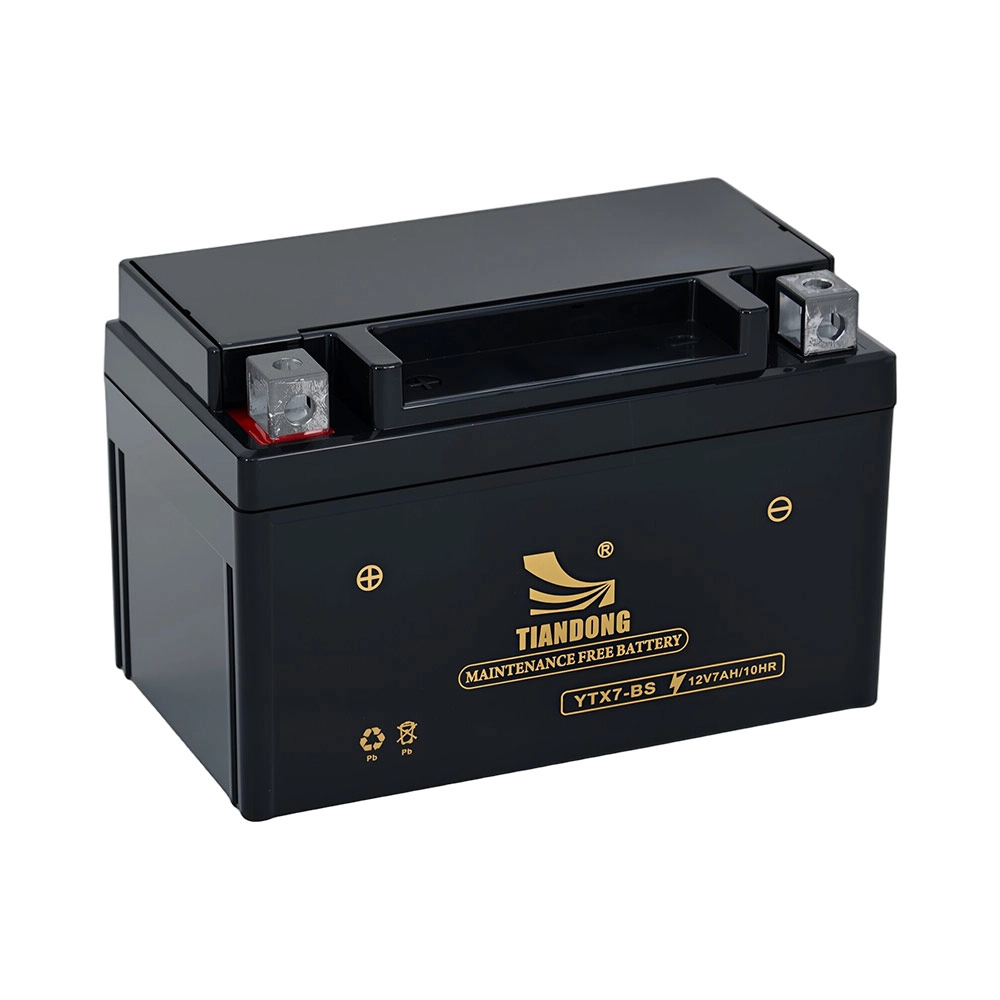
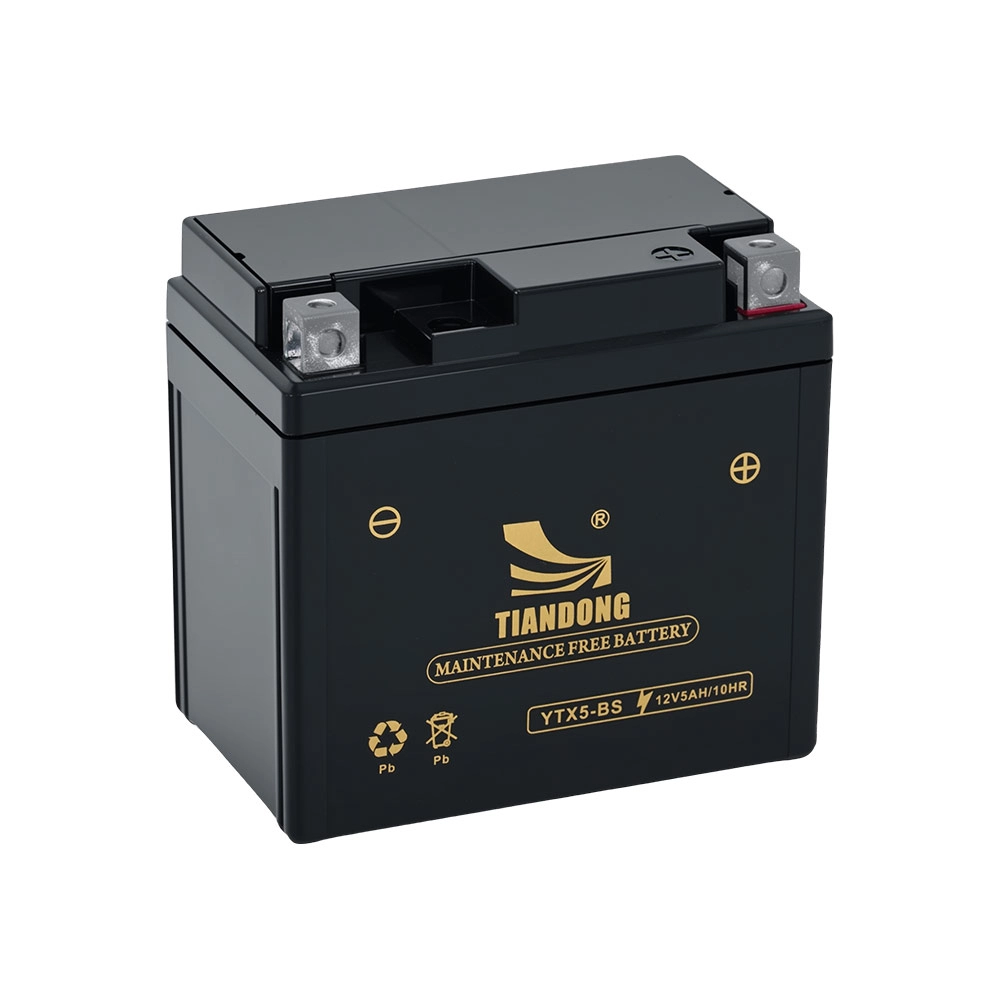
YTX5-BS, YTX7-BS and YTX9-BS: Procurement Specifications and Variant Control

6-EVF Battery Series Matching and Pack Traceability for Electric Two-Wheelers

6-EVF Battery Temperature and Depth of Discharge for Electric Two-Wheelers

6-EVF Battery Charging and Charger Matching for Electric Two-Wheelers

6-EVF Battery Cycle Life for Electric Two-Wheelers

6-EVF Battery Range and Pack Voltage for Electric Two-Wheelers

Get in touch with us to get your Motorbike Battery solution
TIANDONG is a leading motorcycle battery manufacturer offering OEM/ODM service, stable quality, and global export support.
Built for wholesalers. Trusted by global buyers. Delivered with confidence.
Say Hello
E-mail: daisybattery8@gmail.com
xianyingchen83@gmail. com
WhatsAPP: +86 134 283 86694
+86 134 348 86641
Our Location
Social Links
© 2025 TIANDONG. All Rights Reserved. Privacy Policy | Terms and Conditions | Sitemap
 Scan QR Code
Facebook
Instagram
Scan QR Code
Whatsapp: +8613434886641