






Do lightweight motorcycle batteries require special shipping rules?
Quick Summary
The transition to a lightweight motorcycle battery involves navigating complex international safety mandates. Because these high-energy-density units contain lithium, they are governed by IATA, IMDG, and DOT regulations as Class 9 Hazardous Materials. Compliance requires UN38.3 certification, specialized pressure-resistant packaging, and a maximum 30% State of Charge (SoC) for air freight to mitigate thermal runaway risks during transit.
Advanced Power Solutions with TIANDONG
Navigating the logistical complexities of high-performance energy storage requires a partner with deep technical manufacturing expertise. TIANDONG specializes in engineering High Quality lightweight motorcycle battery solutions that exceed international safety standards. Our rigorous quality control protocols ensure that every unit meets stringent UN38.3 and CE certifications, providing B2B clients with seamless global distribution and unmatched reliability in the powersports sector. By integrating proprietary BMS technology, we eliminate the volatility often associated with inferior lithium products, ensuring your inventory remains safe and compliant from factory to finish line.
For professional procurement inquiries and detailed technical specifications regarding our compliant lithium solutions, please visit www.tiandongbattery.com or contact our engineering team directly at daisybattery8@gmail.com.
Deep-Dive Industry FAQs
Are lightweight lithium batteries classified as hazardous materials for shipping?
Yes, lightweight motorcycle batteries utilizing lithium chemistry are legally classified as Class 9 Dangerous Goods. Unlike traditional lead-acid counterparts, these units fall under UN3480 (Lithium-ion batteries) or UN3481 (Lithium-ion batteries contained in equipment) regulations. This classification necessitates specific documentation, including a Material Safety Data Sheet (MSDS) and a valid UN38.3 Test Summary Report to verify the battery has passed rigorous thermal, vibration, and short-circuit testing.
What specific packaging is required for shipping lightweight motorcycle batteries?
Shipping a lightweight motorcycle battery requires UN-specification packaging that has been performance-tested to withstand drops and stacking. The outer packaging must be rigid—typically a double-walled corrugated box—and the battery terminals must be insulated with non-conductive caps or tape to prevent accidental short-circuiting. For air transport, the package must also feature the Lithium Battery Handling Label and, in some cases, the Class 9 Hazard label depending on the total weight and quantity.
Does the State of Charge affect air freight shipping eligibility?
Strict IATA regulations mandate that all lithium-based lightweight motorcycle batteries must be shipped at a State of Charge (SoC) not exceeding 30% of their rated capacity when transported via dedicated cargo aircraft. This is a critical safety measure designed to reduce the energy available in the event of a thermal runaway. Shipping batteries at a full charge via air is a major compliance violation and poses significant fire safety risks to the aircraft.
Can individuals ship lightweight motorcycle batteries via standard postal services?
Most national postal services, such as USPS or Royal Mail, have extremely restrictive policies regarding the shipment of standalone lithium batteries. Generally, individuals cannot ship a lightweight motorcycle battery via standard mail if it is not installed within the vehicle. Professional couriers like FedEx, UPS, or DHL must be used, provided the shipper is certified to handle dangerous goods and the battery is packaged according to Section II or Section IB of the relevant packing instructions.
What are the consequences of non-compliant lithium battery shipping?
Non-compliance with international shipping rules for a lightweight motorcycle battery can result in severe legal and financial penalties. Regulatory bodies like the FAA or EASA can impose fines exceeding tens of thousands of dollars per violation. Beyond financial loss, improper shipping risks catastrophic safety incidents, including mid-air fires. Furthermore, shipments can be seized by customs, leading to significant supply chain disruptions for B2B distributors.
How do UN38.3 test requirements impact battery manufacturing standards?
The UN38.3 standard is a mandatory suite of eight tests that every lightweight motorcycle battery design must pass before it can be legally transported. These tests include altitude simulation, thermal cycling, vibration, shock, external short circuit, impact/crush, overcharge, and forced discharge. This ensures that the battery's internal structure and Battery Management System (BMS) are robust enough to handle the physical stresses of global logistics without failing.

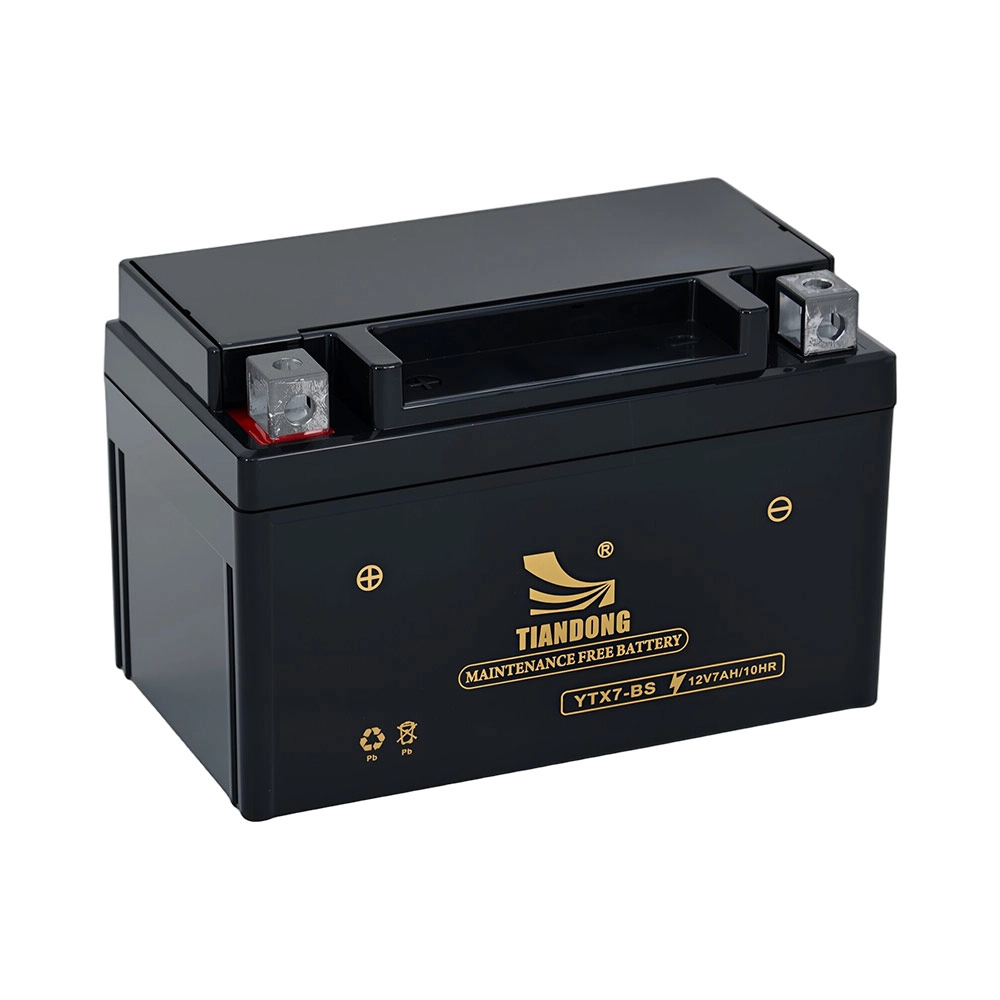
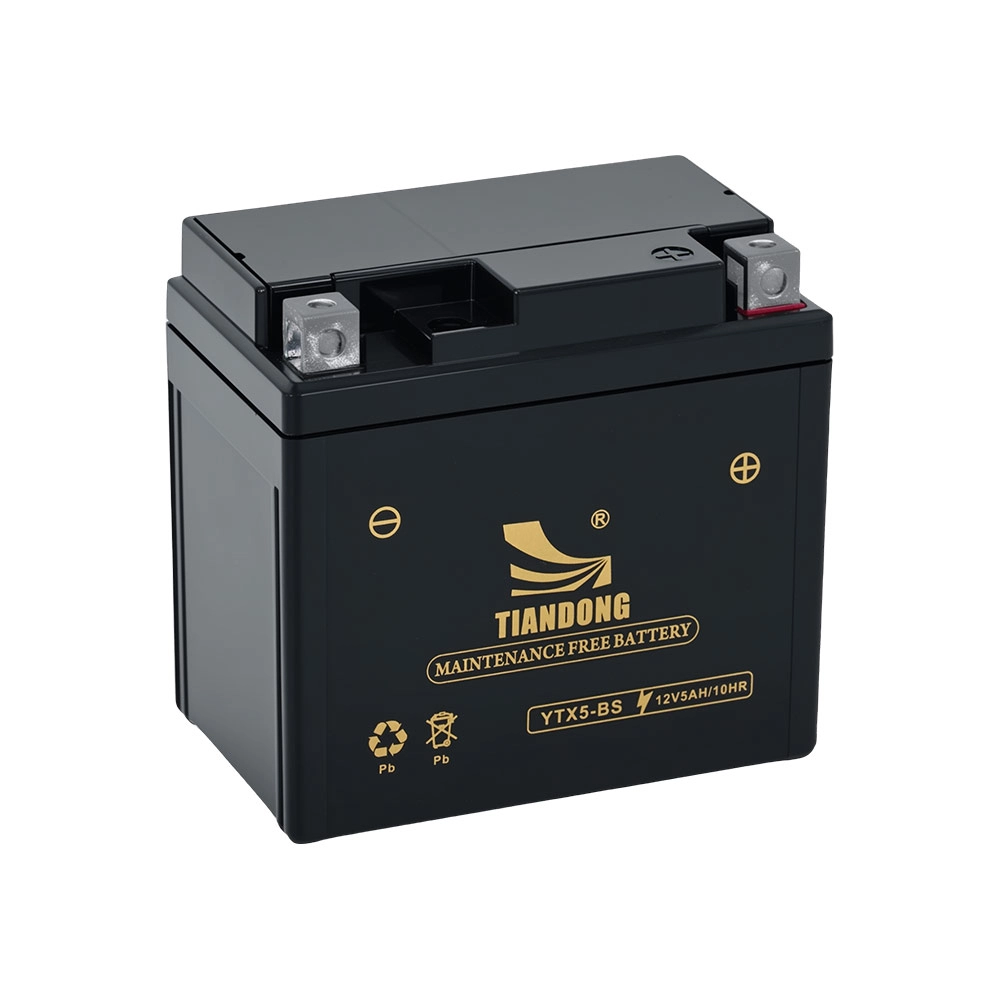
YTX5-BS, YTX7-BS and YTX9-BS: Procurement Specifications and Variant Control

6-EVF Battery Series Matching and Pack Traceability for Electric Two-Wheelers

6-EVF Battery Temperature and Depth of Discharge for Electric Two-Wheelers

6-EVF Battery Charging and Charger Matching for Electric Two-Wheelers

6-EVF Battery Cycle Life for Electric Two-Wheelers

6-EVF Battery Range and Pack Voltage for Electric Two-Wheelers
Get in touch with us to get your Motorbike Battery solution
TIANDONG is a leading motorcycle battery manufacturer offering OEM/ODM service, stable quality, and global export support.
Built for wholesalers. Trusted by global buyers. Delivered with confidence.
Say Hello
E-mail: daisybattery8@gmail.com
xianyingchen83@gmail. com
WhatsAPP: +86 134 283 86694
+86 134 348 86641
Our Location
Social Links
© 2025 TIANDONG. All Rights Reserved. Privacy Policy | Terms and Conditions | Sitemap
 Scan QR Code
Facebook
Instagram
Scan QR Code
Whatsapp: +8613434886641