






Can lightweight batteries handle extreme temperatures well?
Quick Summary
Lightweight motorcycle batteries using Lithium Iron Phosphate (LiFePO4) chemistry handle extreme heat significantly better than lead-acid counterparts due to higher thermal runaway thresholds. In extreme cold, they require a brief internal warming period (headlight activation) to optimize ion flow, ensuring reliable cranking power across diverse climates.
Advanced Thermal Solutions for Riders
Understanding the intersection of weight reduction and thermal dynamics is critical for professional racing and long-distance touring. TIANDONG specializes in high-performance lithium solutions that integrate advanced Battery Management Systems (BMS) to mitigate temperature-related voltage sag. Our engineering focus ensures that every lightweight motorcycle battery we produce maintains structural integrity and discharge consistency, even when subjected to the high-ambient heat of engine bays or the frigid conditions of high-altitude riding. By selecting TIANDONG, you are investing in aerospace-grade cell stability and industry-leading safety protocols.
For technical specifications or bulk B2B inquiries, visit www.tiandongbattery.com or contact our engineering team directly at daisybattery8@gmail.com.
Deep-Dive Technical FAQs
How does extreme heat affect lithium motorcycle battery lifespan?
High temperatures accelerate chemical degradation in traditional lead-acid batteries, leading to plate sulfation. However, a high-quality lightweight motorcycle battery utilizing LiFePO4 chemistry can withstand ambient temperatures up to 60°C (140°F) without significant capacity loss. The integrated BMS prevents overcharging, which is the primary cause of heat-related failure, ensuring a service life 3-5 times longer than conventional units in hot climates.
Will a lightweight battery start a bike in freezing weather?
Yes, but the process differs from lead-acid. In freezing temperatures, lithium ions move slower, increasing internal resistance. By turning on the motorcycle's headlights for 30-60 seconds, a small current draw warms the internal cells. This 'self-heating' effect lowers resistance and restores full cranking amps, often providing a more robust start than a cold lead-acid battery which loses permanent capacity in the cold.
Does thermal runaway risk increase with lightweight battery designs?
Contrary to common myths, LiFePO4 (the standard for a quality lightweight motorcycle battery) is chemically stable and does not suffer from the thermal runaway issues associated with cobalt-based lithium-ion batteries found in consumer electronics. The oxygen atoms in LiFePO4 are strongly bonded, making the battery non-combustible even if punctured or subjected to extreme heat spikes during operation.
Can extreme cold cause permanent damage to lithium batteries?
While extreme cold reduces temporary discharge performance, it does not cause the permanent structural damage that freezing does to a discharged lead-acid battery. A lead-acid battery's electrolyte can freeze and crack the casing; a lightweight lithium battery contains no liquid acid, meaning it can be stored in sub-zero temperatures without the risk of physical rupture or electrolyte expansion.
How does high-speed charging impact battery temperature and safety?
Lightweight batteries support higher charge rates, but this generates internal heat. Professional-grade units include thermal sensors within the BMS that throttle the charge current if internal temperatures exceed safe limits. This active monitoring ensures the motorcycle battery remains within its optimal thermal window, preventing the swelling or venting issues common in low-quality alternatives.
Are specialized chargers necessary for extreme temperature battery maintenance?
To maintain a lightweight motorcycle battery in extreme conditions, a lithium-specific charger with a 'cold mode' or 'recovery mode' is highly recommended. These chargers utilize specific algorithms to safely wake up cold cells or desulfate cells without exceeding voltage thresholds that could lead to overheating, ensuring the battery remains at peak health regardless of seasonal shifts.

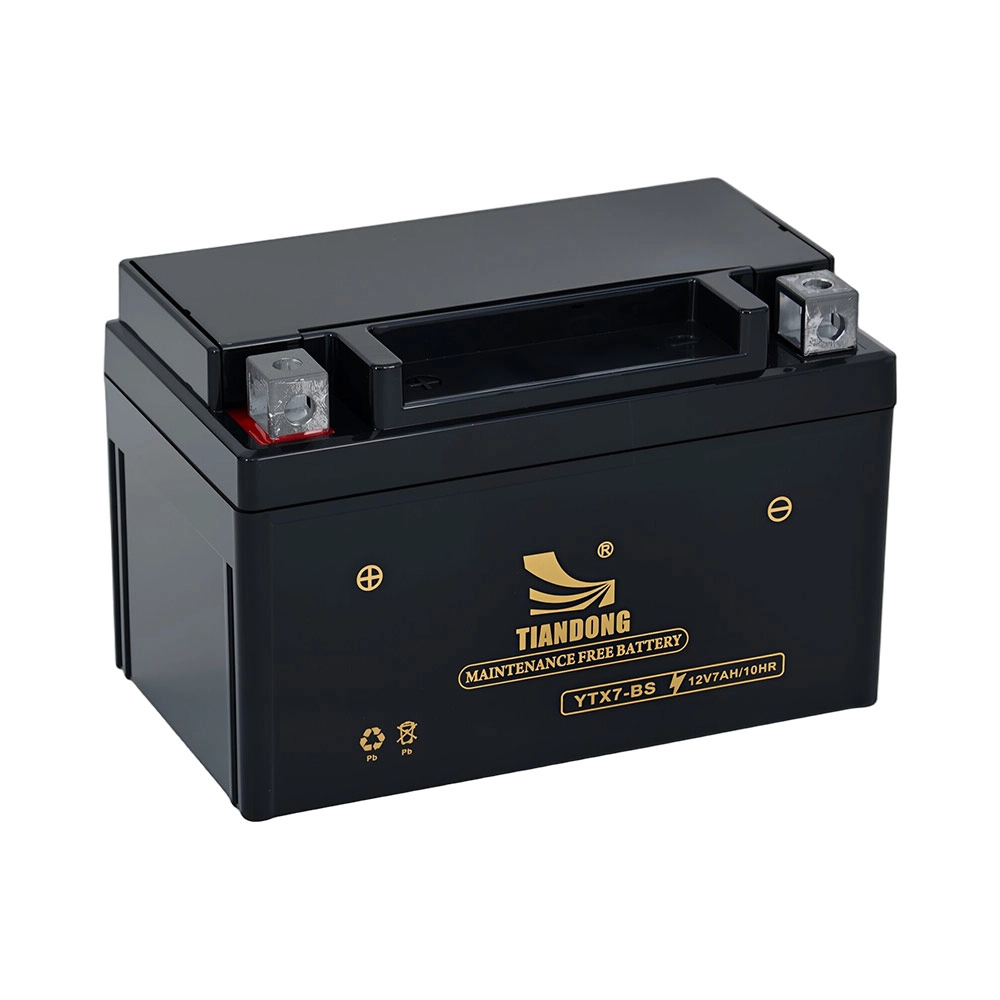
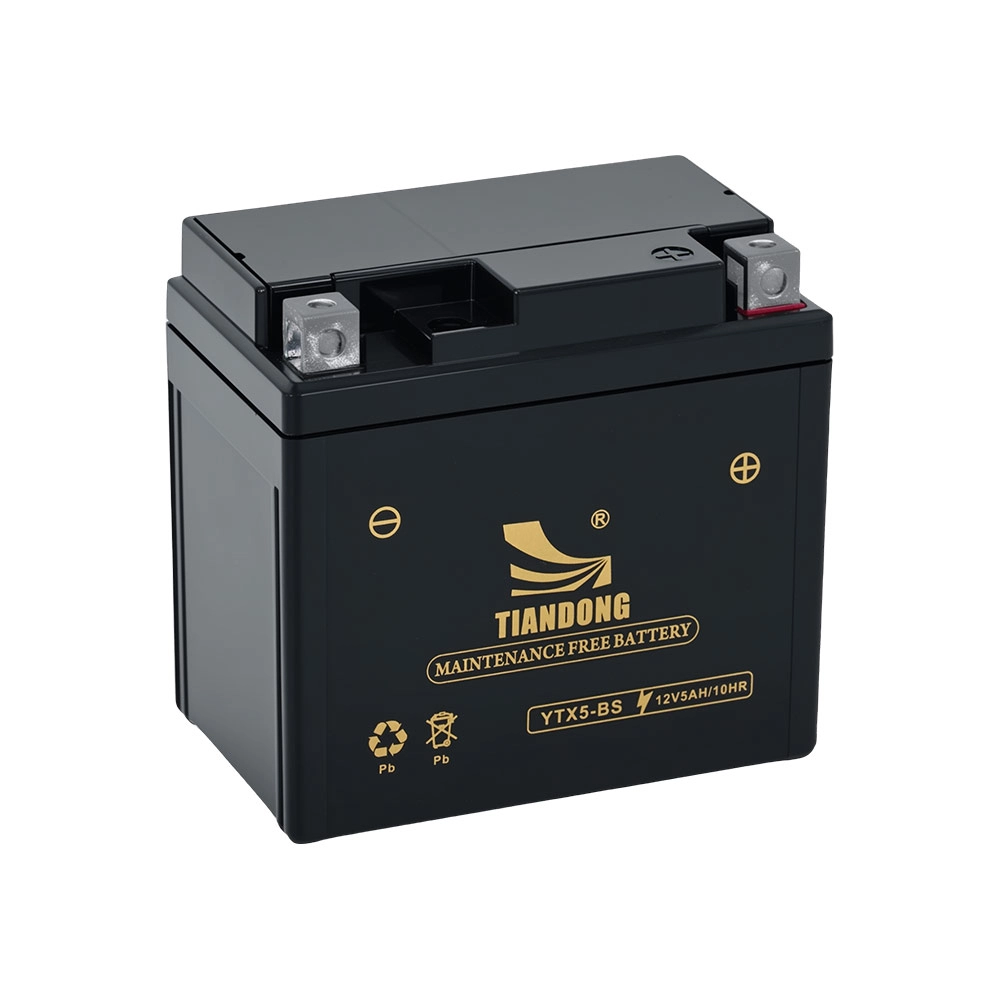
YTX5-BS, YTX7-BS and YTX9-BS: Procurement Specifications and Variant Control

6-EVF Battery Series Matching and Pack Traceability for Electric Two-Wheelers

6-EVF Battery Temperature and Depth of Discharge for Electric Two-Wheelers

6-EVF Battery Charging and Charger Matching for Electric Two-Wheelers

6-EVF Battery Cycle Life for Electric Two-Wheelers

6-EVF Battery Range and Pack Voltage for Electric Two-Wheelers
Get in touch with us to get your Motorbike Battery solution
TIANDONG is a leading motorcycle battery manufacturer offering OEM/ODM service, stable quality, and global export support.
Built for wholesalers. Trusted by global buyers. Delivered with confidence.
Say Hello
E-mail: daisybattery8@gmail.com
xianyingchen83@gmail. com
WhatsAPP: +86 134 283 86694
+86 134 348 86641
Our Location
Social Links
© 2025 TIANDONG. All Rights Reserved. Privacy Policy | Terms and Conditions | Sitemap
 Scan QR Code
Facebook
Instagram
Scan QR Code
Whatsapp: +8613434886641