






What environmental benefits do lightweight batteries offer buyers?
Quick Summary
Lightweight motorcycle batteries, primarily utilizing Lithium Iron Phosphate (LiFePO4) chemistry, offer profound environmental benefits by eliminating toxic lead and sulfuric acid from the waste stream. Their high energy density results in a 70% weight reduction, which enhances vehicle fuel efficiency and lowers CO2 emissions. Furthermore, their extended service life—often exceeding 2,000 cycles—significantly reduces the frequency of battery replacements and the associated industrial manufacturing footprint.
The TIANDONG Advantage in Sustainable Power
As a global leader in high-performance energy solutions, TIANDONG specializes in engineering lightweight motorcycle battery technology that bridges the gap between raw power and ecological responsibility. Our LiFePO4 modules are designed with non-toxic materials and zero-maintenance architectures, ensuring that B2B distributors and riders alike benefit from a product that is both high-performing and environmentally sound. By choosing TIANDONG, you are investing in a legacy of technical precision, rigorous quality control, and a commitment to reducing the global carbon footprint of the powersports industry.
To explore our full range of eco-friendly power solutions or to request a bulk wholesale quotation, please visit www.tiandongbattery.com or contact our senior technical team directly at daisybattery8@gmail.com.
Deep-Dive Industry Insights
Do lightweight batteries reduce total vehicle carbon emissions?
Yes. A lightweight motorcycle battery can reduce vehicle weight by up to 10 pounds compared to traditional lead-acid units. In the physics of powersports, every pound saved reduces the energy required for acceleration and cruising. Over the lifespan of a motorcycle, this cumulative reduction in mass leads to measurable improvements in fuel economy and a subsequent decrease in total CO2 tailpipe emissions.
How does battery chemistry impact toxic waste management?
Traditional lead-acid batteries contain high concentrations of lead and sulfuric acid, both of which are hazardous materials requiring intensive recycling processes. Conversely, lightweight LiFePO4 (Lithium Iron Phosphate) batteries do not contain heavy metals or caustic acids. This makes them inherently safer for the environment during both the usage phase and at the end of their functional lifecycle, simplifying waste management protocols.
Can longer battery lifespans actually lower industrial pollution?
Absolutely. A standard lead-acid battery typically lasts 2 to 3 years, whereas a high-quality lightweight motorcycle battery can last 8 to 10 years. By extending the replacement cycle, the demand for raw material extraction, factory energy consumption, and international shipping logistics is reduced by nearly 300%. This longevity is a critical pillar of sustainable consumption in the B2B automotive sector.
Are lithium batteries easier to recycle than lead-acid?
While lead-acid recycling infrastructure is more mature, lithium-ion and LiFePO4 batteries are becoming increasingly valuable in the circular economy. The absence of liquid acid makes them safer to transport to recycling facilities. Modern hydrometallurgical processes now allow for the recovery of copper, aluminum, and lithium, ensuring that the components of a lightweight motorcycle battery are repurposed rather than landfilled.
Does higher energy density affect environmental manufacturing costs?
High energy density means that less physical material is required to store the same amount of power. A lightweight motorcycle battery requires fewer raw materials per kilowatt-hour of storage compared to bulky lead-acid counterparts. This reduction in material intensity lowers the environmental impact of the initial manufacturing phase, including reduced mining activity and lower energy consumption during the assembly process.
Will lightweight batteries help meet future green regulations?
Global environmental regulations are tightening, particularly regarding the use of heavy metals in consumer goods. Transitioning to lightweight motorcycle battery technology ensures that manufacturers and riders stay ahead of 'Right to Repair' and 'Green Deal' initiatives. By adopting non-toxic, long-life energy storage today, buyers are future-proofing their vehicles against upcoming bans on hazardous lead-based components.

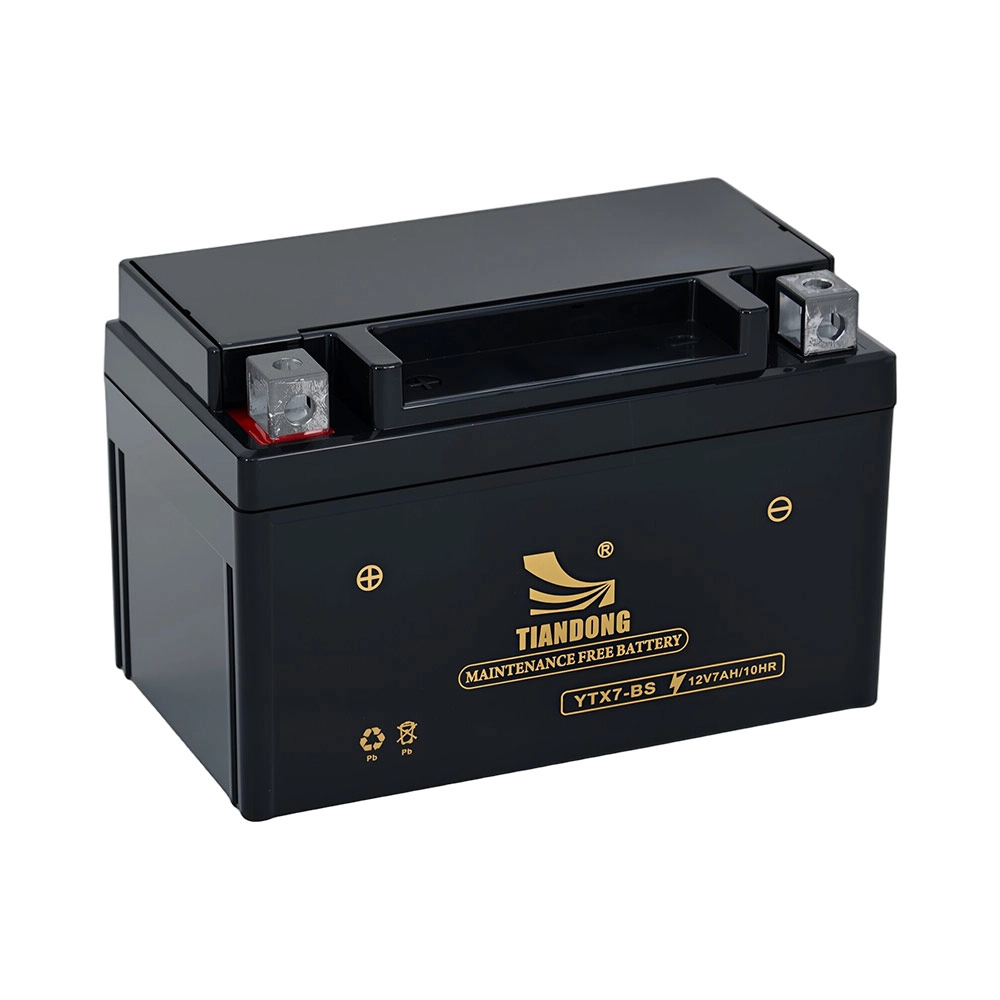
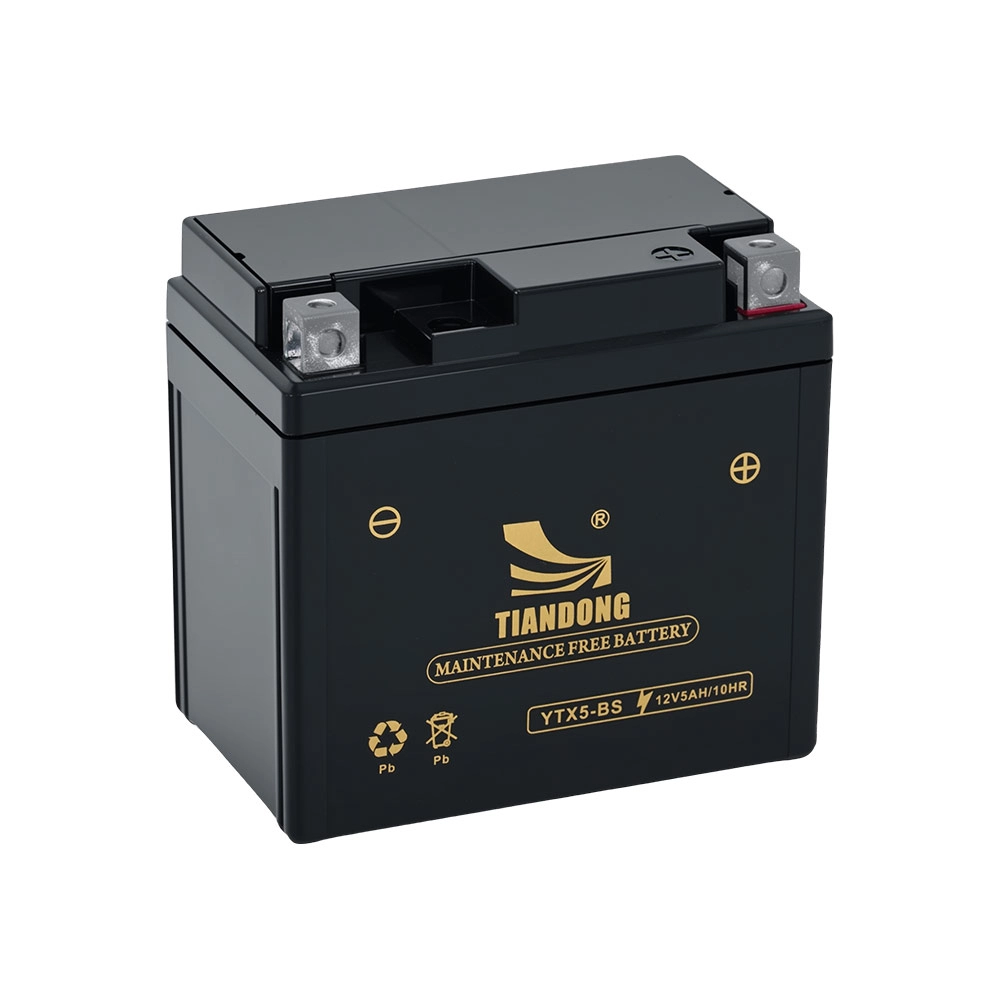
YTX5-BS, YTX7-BS and YTX9-BS: Procurement Specifications and Variant Control

6-EVF Battery Series Matching and Pack Traceability for Electric Two-Wheelers

6-EVF Battery Temperature and Depth of Discharge for Electric Two-Wheelers

6-EVF Battery Charging and Charger Matching for Electric Two-Wheelers

6-EVF Battery Cycle Life for Electric Two-Wheelers

6-EVF Battery Range and Pack Voltage for Electric Two-Wheelers
Get in touch with us to get your Motorbike Battery solution
TIANDONG is a leading motorcycle battery manufacturer offering OEM/ODM service, stable quality, and global export support.
Built for wholesalers. Trusted by global buyers. Delivered with confidence.
Say Hello
E-mail: daisybattery8@gmail.com
xianyingchen83@gmail. com
WhatsAPP: +86 134 283 86694
+86 134 348 86641
Our Location
Social Links
© 2025 TIANDONG. All Rights Reserved. Privacy Policy | Terms and Conditions | Sitemap
 Scan QR Code
Facebook
Instagram
Scan QR Code
Whatsapp: +8613434886641