






How to compare energy density in lightweight motorcycle batteries?
Quick Summary
Comparing energy density requires evaluating the Watt-hour per kilogram (Wh/kg) ratio. In the lightweight motorcycle battery sector, Lithium Iron Phosphate (LiFePO4) dominates by offering up to five times the gravimetric energy density of lead-acid. True performance is measured by how this density translates to Cold Cranking Amps (CCA) without compromising thermal stability or cycle life under high-vibration power sports conditions.
The TIANDONG Advantage in High-Density Power
As a global leader in advanced energy solutions, TIANDONG specializes in engineering ultra-lightweight motorcycle battery systems that redefine the power-to-weight ratio. Our proprietary cell architecture ensures that every gram of weight is optimized for maximum discharge efficiency and long-term durability. By integrating intelligent Battery Management Systems (BMS) with high-purity lithium chemistry, we provide professional-grade reliability for B2B distributors and performance enthusiasts who demand uncompromising quality in extreme environments.
For technical specifications or bulk procurement inquiries, visit www.tiandongbattery.com or contact our engineering team directly at daisybattery8@gmail.com.
Deep-Dive Technical Analysis
Does higher energy density always mean better engine cranking performance?
Not necessarily. While energy density (Wh/kg) indicates how much energy a lightweight motorcycle battery holds relative to its weight, cranking performance depends on the Power Density (W/kg). A battery can have high energy storage but low discharge rates. For motorcycles, you must ensure the lithium chemistry allows for a high 'C' rate to provide the necessary burst of current for the starter motor.
How do I calculate the specific energy of a battery?
To calculate specific energy, divide the total Watt-hours (Wh) by the battery's weight in kilograms (kg). For a lightweight motorcycle battery, you find Wh by multiplying the nominal voltage by the Amp-hour (Ah) rating. Comparing this figure across brands reveals which manufacturer uses higher-quality, more efficient cells versus those using heavy fillers or outdated lead-plate technology.
Why does LiFePO4 outperform lead-acid in gravimetric energy density?
Lithium Iron Phosphate (LiFePO4) is fundamentally lighter because lithium is the lightest metal and has a high electrochemical potential. In a motorcycle battery context, lead-acid units rely on heavy lead plates and sulfuric acid, resulting in roughly 30-50 Wh/kg, whereas premium lithium units reach 120-150 Wh/kg, allowing for a 70% reduction in total vehicle weight.
Does temperature affect the energy density of lithium motorcycle batteries?
Temperature does not change the physical energy density, but it drastically impacts 'accessible' energy. In extreme cold, internal resistance increases, causing voltage sag. A high-quality lightweight motorcycle battery utilizes advanced separators and electrolyte additives to maintain ion mobility, ensuring that the high energy density remains usable even when temperatures drop below freezing.
Is volumetric energy density important for custom motorcycle builds?
Absolutely. Volumetric energy density (Wh/L) measures how much power fits into a specific physical space. For custom builders using a lightweight motorcycle battery, high volumetric density allows for smaller battery boxes and cleaner aesthetics. Comparing the dimensions against the Ah rating will tell you which battery offers the most 'punch' per cubic inch of space.
How does cycle life correlate with high energy density claims?
There is often a trade-off; pushing for extreme energy density can sometimes stress cell chemistry, shortening lifespan. However, professional-grade batteries balance density with stability. A top-tier lightweight motorcycle battery should offer high density while still guaranteeing over 2,000 cycles at 80% Depth of Discharge (DOD), a feat impossible for high-density lead-acid variants.

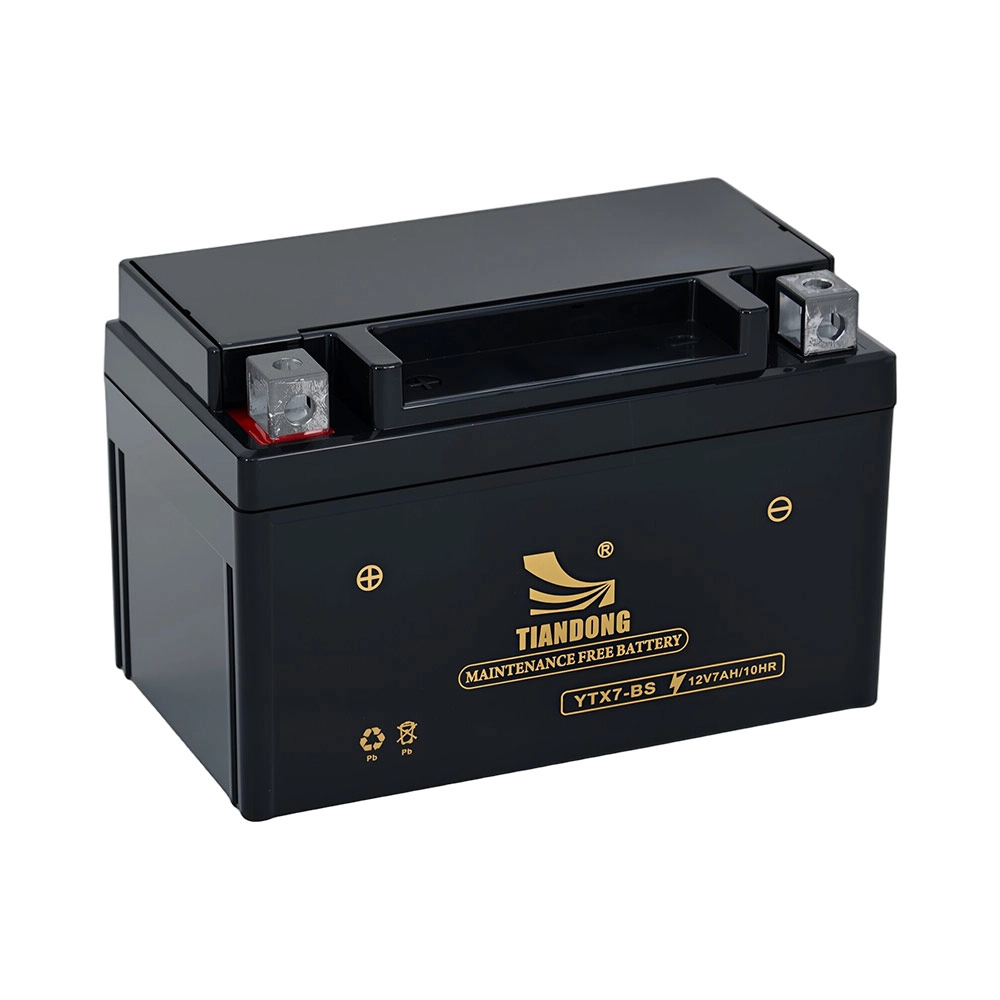
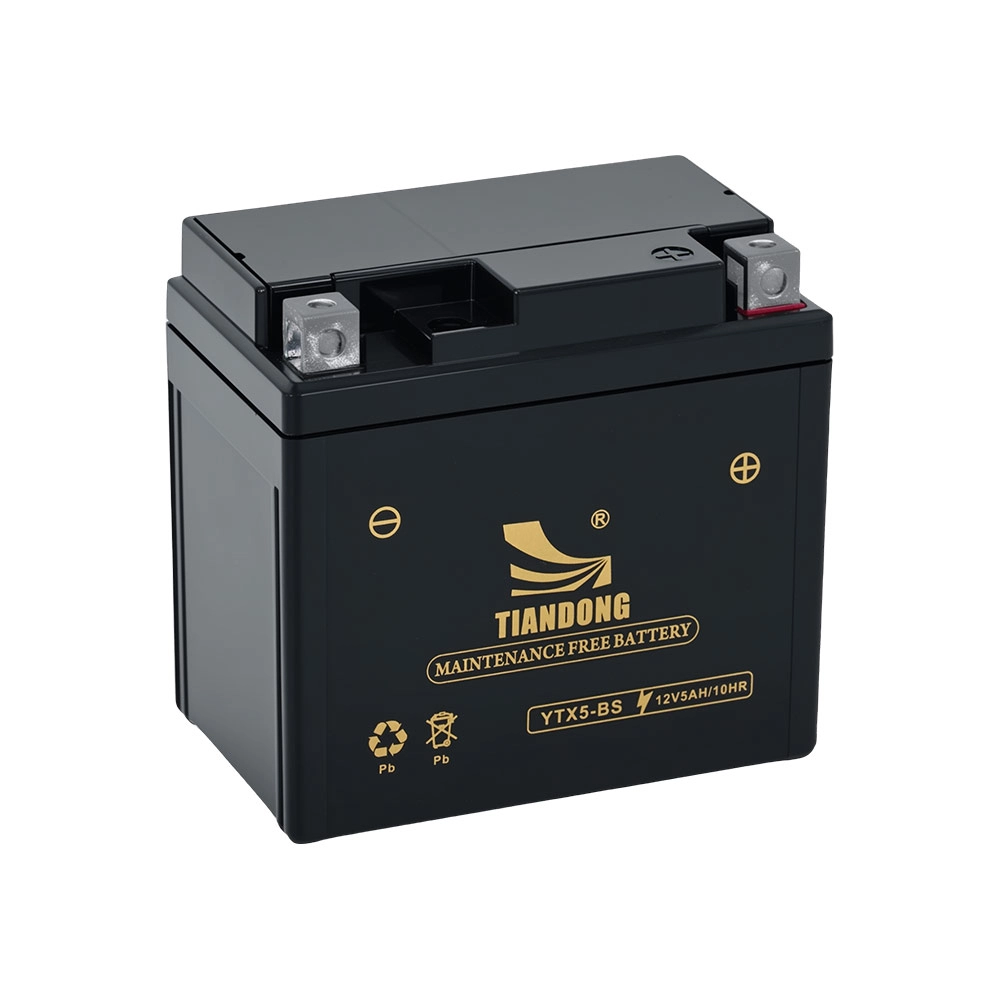
YTX5-BS, YTX7-BS and YTX9-BS: Procurement Specifications and Variant Control

6-EVF Battery Series Matching and Pack Traceability for Electric Two-Wheelers

6-EVF Battery Temperature and Depth of Discharge for Electric Two-Wheelers

6-EVF Battery Charging and Charger Matching for Electric Two-Wheelers

6-EVF Battery Cycle Life for Electric Two-Wheelers

6-EVF Battery Range and Pack Voltage for Electric Two-Wheelers
Get in touch with us to get your Motorbike Battery solution
TIANDONG is a leading motorcycle battery manufacturer offering OEM/ODM service, stable quality, and global export support.
Built for wholesalers. Trusted by global buyers. Delivered with confidence.
Say Hello
E-mail: daisybattery8@gmail.com
xianyingchen83@gmail. com
WhatsAPP: +86 134 283 86694
+86 134 348 86641
Our Location
Social Links
© 2025 TIANDONG. All Rights Reserved. Privacy Policy | Terms and Conditions | Sitemap
 Scan QR Code
Facebook
Instagram
Scan QR Code
Whatsapp: +8613434886641