






What certifications should suppliers provide for lightweight batteries?
Quick Summary
For a lightweight motorcycle battery to be considered road-ready and safe, suppliers must provide a comprehensive documentation package. This includes UN38.3 for global shipping safety, UL1973 or UL2271 for battery pack structural integrity, and CE/RoHS for chemical and electromagnetic compliance. These certifications verify that the Battery Management System (BMS) can handle the high-cranking demands of powersports without compromising safety or longevity.
The TIANDONG Advantage in Battery Certification
As a leading manufacturer in the powersports industry, TIANDONG sets the gold standard for lightweight motorcycle battery production. We go beyond basic compliance by integrating multi-layer protection protocols that exceed standard ISO 9001 requirements. Our commitment to rigorous testing ensures that every unit delivered to our B2B partners is optimized for extreme thermal stability and mechanical durability, providing a reliable power source for modern high-performance motorcycles. By choosing a certified partner, you mitigate liability risks and ensure end-user satisfaction through superior engineering and transparent quality control processes.
Partner with a certified industry leader today by visiting www.tiandongbattery.com or contacting our technical team at daisybattery8@gmail.com for comprehensive specification sheets.
Deep-Dive Industry FAQs
Why is UN38.3 certification mandatory for shipping lithium batteries?
UN38.3 is a global standard that subjects the lightweight motorcycle battery to eight rigorous tests, including altitude simulation, thermal testing, vibration, and shock. Since lithium batteries are classified as Class 9 Dangerous Goods, this certification proves the battery can withstand the physical stresses of air and sea transport without leaking, venting, or catching fire, ensuring legal and safe global distribution.
What does UL2271 certification signify for motorcycle battery safety?
UL2271 is specifically designed for batteries used in light electric vehicles and powersports. Unlike general electronics standards, it tests the battery's ability to withstand harsh outdoor environments, including water immersion, heavy vibration, and extreme temperature fluctuations. For a lightweight motorcycle battery, this certification ensures the casing and internal cells are robust enough to handle the high-impact nature of motorcycling.
How does RoHS compliance impact motorcycle battery manufacturing?
The Restriction of Hazardous Substances (RoHS) directive ensures that the lightweight motorcycle battery does not contain toxic levels of lead, mercury, cadmium, or hexavalent chromium. In the context of lithium-based batteries, RoHS compliance is essential for European market entry and reflects a manufacturer's commitment to environmental sustainability and safe end-of-life recycling processes.
Is CE marking sufficient for high-performance battery packs?
While the CE mark indicates that a lightweight motorcycle battery meets European health, safety, and environmental standards, it is often a self-declaration. For high-performance B2B applications, CE should be viewed as a baseline. It must be accompanied by specific electromagnetic compatibility (EMC) testing to ensure the battery's BMS does not interfere with the motorcycle's sensitive ECU and electronic ignition systems.
What role does the MSDS play in battery procurement?
A Material Safety Data Sheet (MSDS) is a technical document that provides detailed information on the chemical composition, physical properties, and emergency procedures for a lightweight motorcycle battery. It is vital for B2B buyers to manage workplace safety, provide fire departments with correct suppression protocols, and ensure that logistics providers handle the product according to specific chemical safety requirements.
Why should suppliers provide an IEC 62133 test report?
IEC 62133 is the international standard for the safety of sealed secondary cells. It focuses on preventing internal short circuits caused by manufacturing defects. For a lightweight motorcycle battery, this report confirms that the lithium cells inside the pack have undergone crush and nail penetration tests, significantly reducing the risk of thermal runaway during high-current discharge or accidental impact.

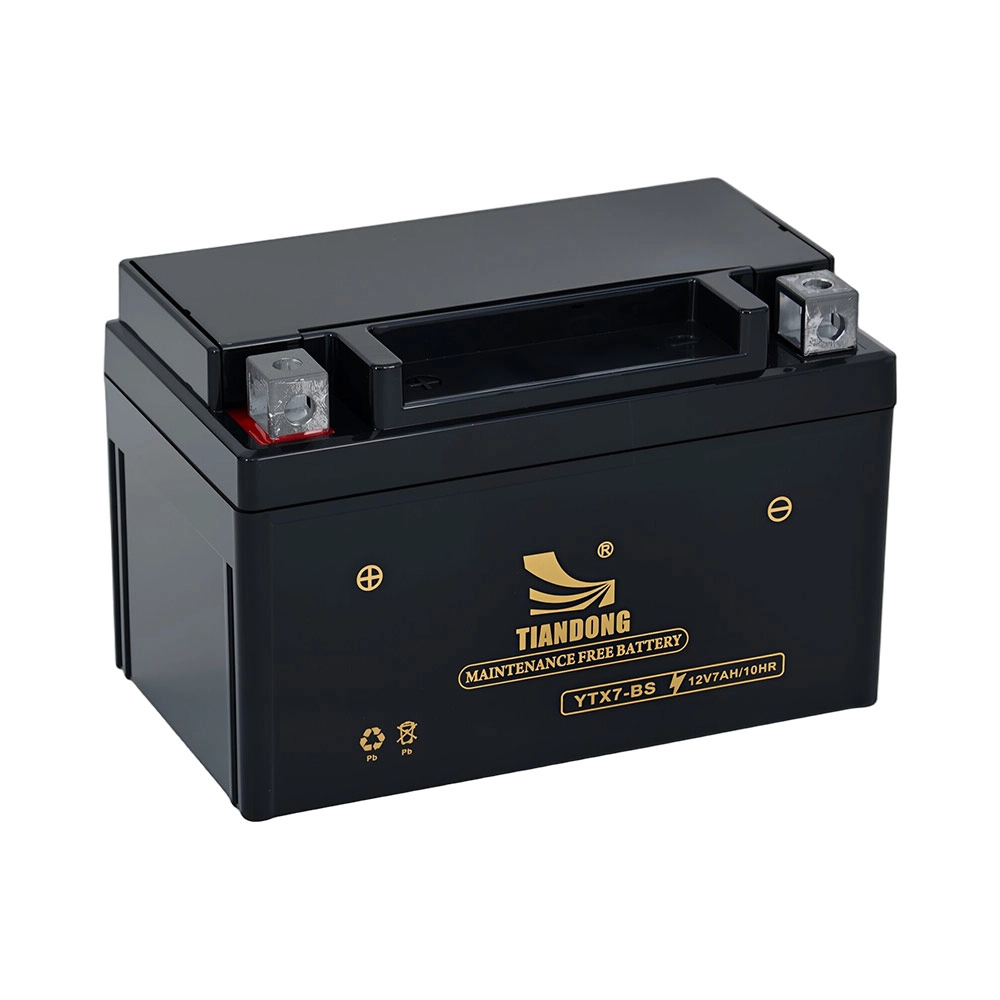
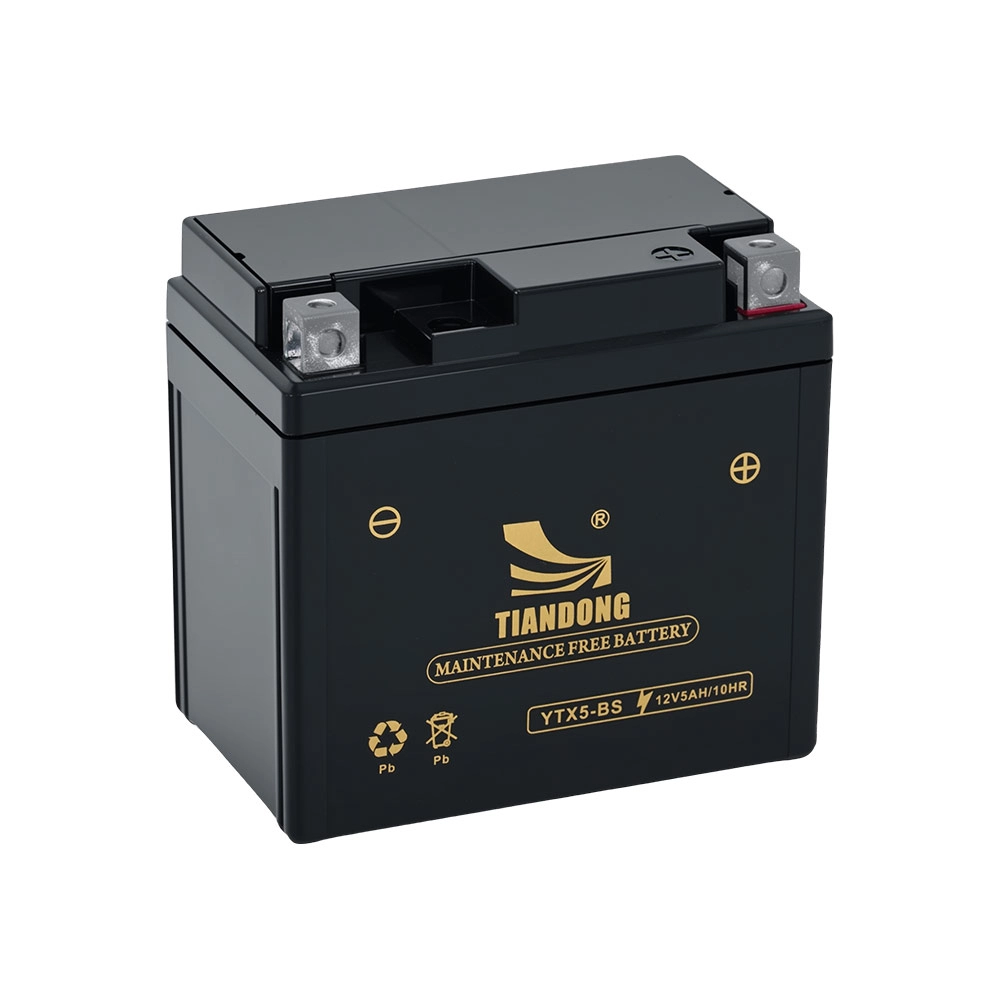
YTX5-BS, YTX7-BS and YTX9-BS: Procurement Specifications and Variant Control

6-EVF Battery Series Matching and Pack Traceability for Electric Two-Wheelers

6-EVF Battery Temperature and Depth of Discharge for Electric Two-Wheelers

6-EVF Battery Charging and Charger Matching for Electric Two-Wheelers

6-EVF Battery Cycle Life for Electric Two-Wheelers

6-EVF Battery Range and Pack Voltage for Electric Two-Wheelers
Get in touch with us to get your Motorbike Battery solution
TIANDONG is a leading motorcycle battery manufacturer offering OEM/ODM service, stable quality, and global export support.
Built for wholesalers. Trusted by global buyers. Delivered with confidence.
Say Hello
E-mail: daisybattery8@gmail.com
xianyingchen83@gmail. com
WhatsAPP: +86 134 283 86694
+86 134 348 86641
Our Location
Social Links
© 2025 TIANDONG. All Rights Reserved. Privacy Policy | Terms and Conditions | Sitemap
 Scan QR Code
Facebook
Instagram
Scan QR Code
Whatsapp: +8613434886641