






Which motorcycle batteries are best for sportbikes and racing?
- How does battery weight affect sportbike flickability and lap times?
- Why is vibration resistance critical for high-revving racing motorcycle engines?
- Can lithium batteries handle the high heat of racing fairings?
- What cranking amp rating is necessary for high-compression race builds?
- Does a racing battery require a specialized charging system setup?
- Are total-loss electrical systems still viable for modern sportbike racing?
- Frequently Asked Questions
For high-performance sportbikes and competitive racing, the selection of a power source transcends simple engine starting. The best motorcycle batteries for this segment must balance extreme weight reduction with high discharge rates and thermal stability. While traditional AGM batteries are reliable for street use, the racing circuit demands Lithium Iron Phosphate (LiFePO4) technology. These units provide a flatter discharge curve, ensuring consistent voltage to sensitive ECU and fuel injection systems even under high-stress maneuvers. Furthermore, the absence of liquid acid eliminates leakage risks during extreme lean angles, making them the only logical choice for professional riders.
How does battery weight affect sportbike flickability and lap times?
In the world of racing, every gram matters. A standard lead-acid battery for a 1000cc sportbike typically weighs between 7 and 9 pounds. By switching to a high-performance lithium alternative, riders can shave off 5 to 6 pounds instantly. Because the battery is often located high in the chassis or under the seat, this reduction significantly lowers the center of gravity and reduces the polar moment of inertia. This technical shift results in noticeably faster transitions during S-turns and improved braking efficiency, directly translating to more consistent lap times.
Why is vibration resistance critical for high-revving racing motorcycle engines?
Sportbike engines often operate at sustained high RPMs, reaching 14,000 to 16,000 RPM, which generates high-frequency harmonic vibrations. Traditional flooded batteries suffer from plate shedding and internal short circuits under these conditions. The best motorcycle batteries for racing utilize solid-state internal components or tightly packed AGM separators to mitigate this. LiFePO4 cells are particularly resilient because they lack heavy lead plates that can flex or break, ensuring the electrical system remains stable despite the mechanical violence of a race track environment.
Can lithium batteries handle the high heat of racing fairings?
Heat is the primary enemy of battery longevity, especially in cramped sportbike engine bays where airflow is restricted by aerodynamic fairings. While early lithium chemistries were sensitive to thermal runaway, modern racing-grade LiFePO4 batteries are designed with sophisticated Battery Management Systems (BMS). These systems monitor cell temperature and prevent overcharging, which is common when high-output alternators are used at peak RPM. Professional-grade units are rated for operational temperatures up to 140°F (60°C), ensuring reliability during grueling endurance races.
What cranking amp rating is necessary for high-compression race builds?
Race-tuned engines often feature increased compression ratios and aggressive cam profiles, which require significantly more torque to turn over than stock configurations. Beginners often mistake Amp-Hours (Ah) for starting power. In racing, Cold Cranking Amps (CCA) or Pulse Cranking Amps (PCA) are the metrics that matter. A high-performance sportbike typically requires a battery capable of delivering at least 250-300 CCA to ensure instantaneous ignition, preventing the starter motor from overheating and ensuring the fuel pump reaches prime pressure immediately.
Does a racing battery require a specialized charging system setup?
One of the most common industry myths is that you can use a standard trickle charger on a racing lithium battery. This is a dangerous misconception. Racing batteries require chargers with a specific CC/CV (Constant Current/Constant Voltage) profile and must never undergo a desulfation cycle, which uses high-voltage spikes that can destroy lithium cells. For track-only bikes with total-loss ignition systems (no alternator), using a dedicated lithium-compatible charger is mandatory to maintain cell balance and prevent capacity fade over a racing season.
Are total-loss electrical systems still viable for modern sportbike racing?
Total-loss systems, where the alternator is removed to reduce crankshaft drag and weight, are still used in sprint racing. However, this places the entire electrical burden on the battery. In these scenarios, the best motorcycle batteries must have a high Reserve Capacity despite their lightweight nature. Modern LiFePO4 batteries have made this more viable by providing a steady 13.2V output until they are nearly depleted, unlike lead-acid batteries which see a voltage drop that can cause ignition misfires as the race progresses.
TIANDONG stands at the forefront of power sports energy solutions, bringing over 15 years of technical mastery to the motorcycle battery industry. We specialize in engineering high-discharge, ultra-lightweight batteries that meet the rigorous demands of professional racing and high-performance sportbike enthusiasts. Our commitment to E-E-A-T principles ensures that every product we manufacture is backed by empirical data and real-world testing, providing our B2B partners with the reliability required for the most competitive environments.
Frequently Asked Questions
How does battery weight affect sportbike flickability and lap times?
A standard lead-acid battery for a 1000cc sportbike typically weighs 7-9 lbs, while lithium alternatives save 5-6 lbs. Reducing weight high in the chassis lowers the center of gravity, improving turn-in speed and braking efficiency for faster lap times.
Why is vibration resistance critical for high-revving racing motorcycle engines?
High-revving engines (14,000+ RPM) create harmonic vibrations that destroy traditional lead plates. Racing-grade batteries use solid-state LiFePO4 cells or reinforced AGM separators to prevent internal shorts and ensure electrical stability.
Can lithium batteries handle the high heat of racing fairings?
Modern LiFePO4 racing batteries include Battery Management Systems (BMS) that protect against thermal runaway. They are engineered to operate reliably in the high-heat environments of cramped sportbike fairings up to 140°F.
What cranking amp rating is necessary for high-compression race builds?
High-compression race engines require high Pulse Cranking Amps (PCA) rather than just Amp-Hours. A minimum of 250-300 CCA is usually required to overcome the mechanical resistance of tuned engines and ensure instant ignition.
Does a racing battery require a specialized charging system setup?
Yes. Lithium racing batteries must be charged using CC/CV profiles. Standard chargers with desulfation modes can destroy lithium cells; a dedicated lithium-compatible charger is essential for maintaining cell balance and longevity.
Are total-loss electrical systems still viable for modern sportbike racing?
Total-loss systems are viable if using high-capacity LiFePO4 batteries. These provide a consistent 13.2V output throughout their discharge cycle, preventing the ignition misfires that occur when lead-acid voltage drops during a race.

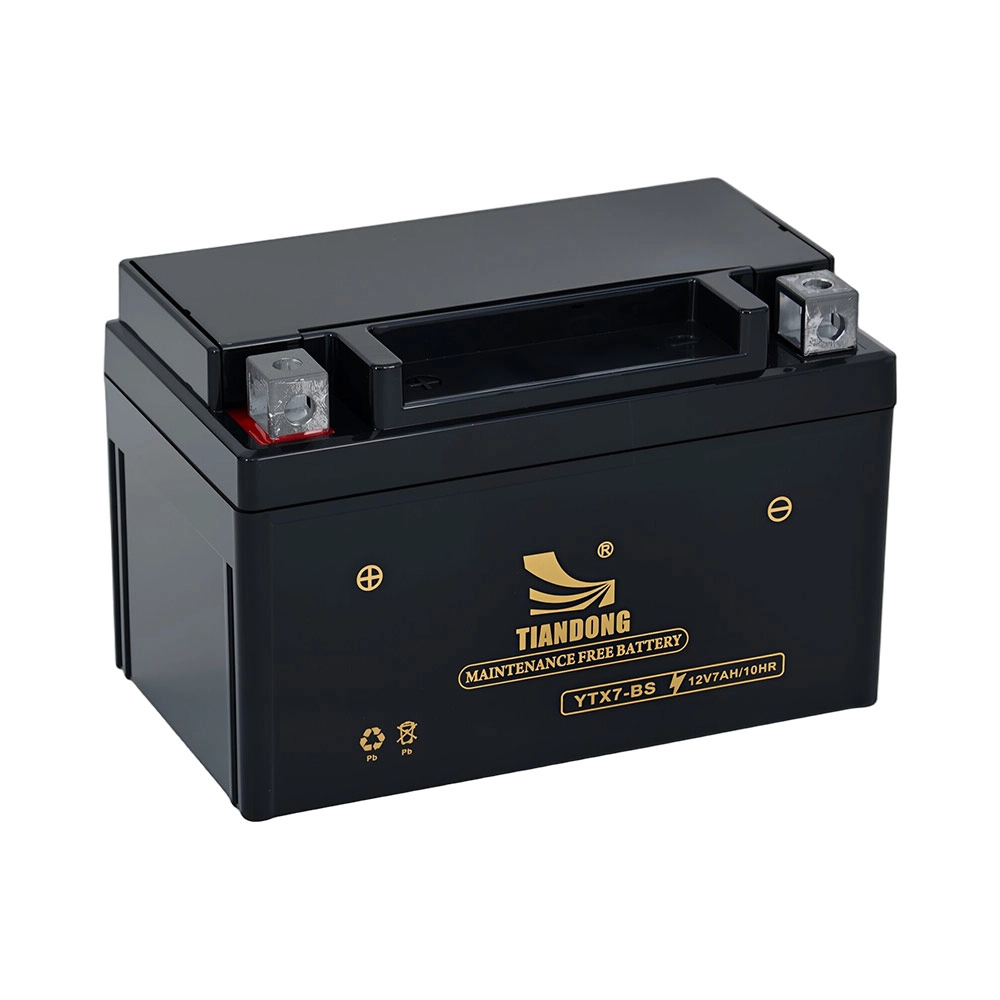
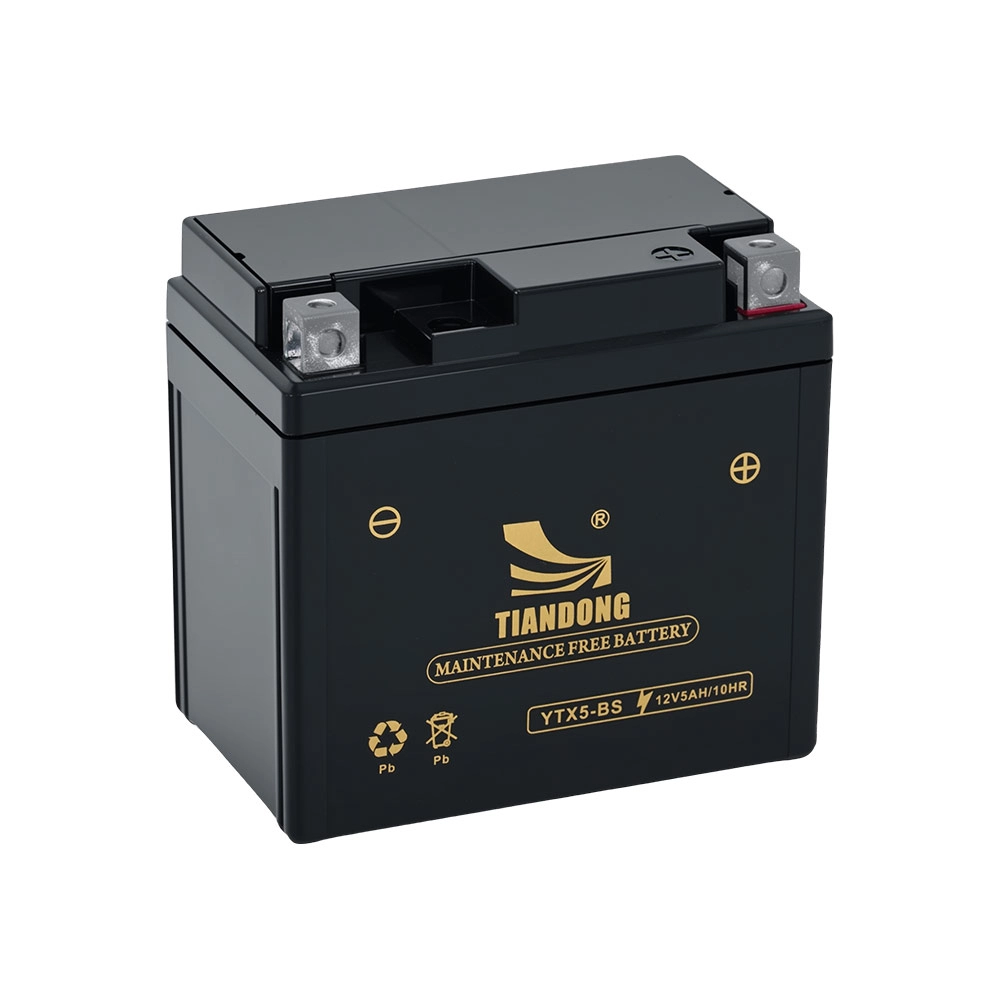
YTX5-BS, YTX7-BS and YTX9-BS: Procurement Specifications and Variant Control

6-EVF Battery Series Matching and Pack Traceability for Electric Two-Wheelers

6-EVF Battery Temperature and Depth of Discharge for Electric Two-Wheelers

6-EVF Battery Charging and Charger Matching for Electric Two-Wheelers

6-EVF Battery Cycle Life for Electric Two-Wheelers

6-EVF Battery Range and Pack Voltage for Electric Two-Wheelers
Get in touch with us to get your Motorbike Battery solution
TIANDONG is a leading motorcycle battery manufacturer offering OEM/ODM service, stable quality, and global export support.
Built for wholesalers. Trusted by global buyers. Delivered with confidence.
Say Hello
E-mail: daisybattery8@gmail.com
xianyingchen83@gmail. com
WhatsAPP: +86 134 283 86694
+86 134 348 86641
Our Location
Social Links
© 2025 TIANDONG. All Rights Reserved. Privacy Policy | Terms and Conditions | Sitemap
 Scan QR Code
Facebook
Instagram
Scan QR Code
Whatsapp: +8613434886641