






Which motorcycle batteries are best for long-term storage?
- Why do lithium batteries outperform lead-acid during winter storage?
- How does the self-discharge rate affect long-term battery health?
- Can parasitic drain destroy a battery during seasonal storage?
- Is a smart tender necessary for modern AGM batteries?
- Does storage temperature impact the lifespan of motorcycle batteries?
- What role does the Battery Management System play in storage?
- Frequently Asked Questions
When evaluating which motorcycle batteries are best for long-term storage, the industry has shifted from traditional flooded lead-acid units toward advanced Lithium Iron Phosphate (LiFePO4) and Absorbed Glass Mat (AGM) technologies. Lithium batteries are the gold standard for seasonal storage because they lose only 1-3% of their charge per month, compared to 10-15% in conventional batteries. However, the environment and the presence of parasitic draws from modern ECU systems play a critical role in battery longevity. To ensure your vehicle starts after a six-month hiatus, selecting a battery with high chemical stability and low internal resistance is paramount.
Why do lithium batteries outperform lead-acid during winter storage?
Lithium Iron Phosphate (LiFePO4) chemistry is inherently more stable than lead-acid. Unlike lead-acid batteries that suffer from permanent sulfation when the voltage drops below 12.4V, lithium cells do not experience chemical degradation during partial states of charge. Furthermore, the absence of liquid electrolyte prevents freezing in sub-zero temperatures, which is a common cause of casing failure in traditional motorcycle battery types. For riders who do not wish to use a trickle charger, lithium is the superior choice.
How does the self-discharge rate affect long-term battery health?
Self-discharge is the internal chemical reaction that reduces stored energy even when the battery is disconnected. High-quality AGM batteries have a self-discharge rate of approximately 3% per month, while cheap flooded batteries can lose up to 1% per day in hot climates. When searching for the best motorcycle batteries for storage, you must prioritize units with high-purity lead grids or advanced lithium management systems (BMS) that minimize internal leakage, ensuring the plates remain active and ready for the next season.
Can parasitic drain destroy a battery during seasonal storage?
Even the most robust battery will fail if the motorcycle's clock, alarm, or ECU continues to pull current. This parasitic drain can deplete a standard battery in as little as three weeks. For long-term storage, we recommend physically disconnecting the negative terminal or utilizing a battery with a built-in BMS that features a sleep mode. This technical safeguard prevents the voltage from reaching the point of no return, effectively extending the functional lifespan of the unit by several years.
Is a smart tender necessary for modern AGM batteries?
While AGM batteries are more resilient than flooded types, they are still susceptible to hard sulfation if left uncharged for over four months. A microprocessor-controlled smart tender is essential because it uses multi-stage charging (bulk, absorption, and float) to prevent overcharging. Using an old-fashioned constant-current charger can lead to outgassing and dry out the glass mat separators, permanently reducing the cold cranking amps (CCA) and ruining the battery's efficiency.
Does storage temperature impact the lifespan of motorcycle batteries?
Temperature is a catalyst for chemical reactions. For every 10°C increase in ambient temperature, the self-discharge rate of a lead-acid battery effectively doubles. Conversely, extreme cold reduces the available capacity but slows down the chemical aging process. The ideal storage environment is a cool, dry place around 15°C (59°F). If you store your bike in a heated garage, the best motorcycle batteries will require more frequent voltage checks than those stored in climate-controlled facilities.
What role does the Battery Management System play in storage?
A high-quality Lithium battery is only as good as its Battery Management System (BMS). During storage, the BMS monitors individual cell voltages to prevent over-discharge. Some advanced TIANDONG lithium units include an automatic cut-off feature that isolates the cells if the voltage drops to a critical level. This prevents the total cell collapse that often occurs in cheaper, unbranded lithium alternatives, making them a much safer investment for long-term reliability.
At TIANDONG, we leverage over 15 years of technical manufacturing expertise to engineer batteries that withstand the rigors of long-term inactivity and extreme environmental stress. Our commitment to high-purity materials and rigorous quality control ensures that every power solution we provide meets the highest standards of E-E-A-T compliance for the global powersports market.
For professional B2B inquiries and bulk wholesale pricing on our high-performance battery range, please visit www.tiandongbattery.com or contact our technical team directly at daisybattery8@gmail.com.
Frequently Asked Questions
Why do lithium batteries outperform lead-acid during winter storage?
Lithium Iron Phosphate (LiFePO4) is chemically more stable and does not suffer from sulfation or freezing, maintaining charge significantly longer than lead-acid without maintenance.
How does the self-discharge rate affect long-term battery health?
Self-discharge reduces stored energy internally; high-quality AGM and lithium batteries have much lower rates (1-3% per month) compared to flooded batteries, preventing plate degradation.
Can parasitic drain destroy a battery during seasonal storage?
Yes, small draws from vehicle electronics can deplete a battery in weeks. Disconnecting the terminal or using a battery with a BMS sleep mode is critical for protection.
Is a smart tender necessary for modern AGM batteries?
Yes, smart tenders use multi-stage charging to prevent sulfation and overcharging, which is vital for maintaining the lifespan of AGM separators during months of inactivity.
Does storage temperature impact the lifespan of motorcycle batteries?
Higher temperatures accelerate self-discharge and chemical aging, while cool, dry environments (around 15°C) are ideal for preserving battery chemistry over long periods.
What role does the Battery Management System play in storage?
A BMS monitors cell voltage and can trigger an automatic cut-off to prevent over-discharge, protecting the battery from permanent failure during extended storage.

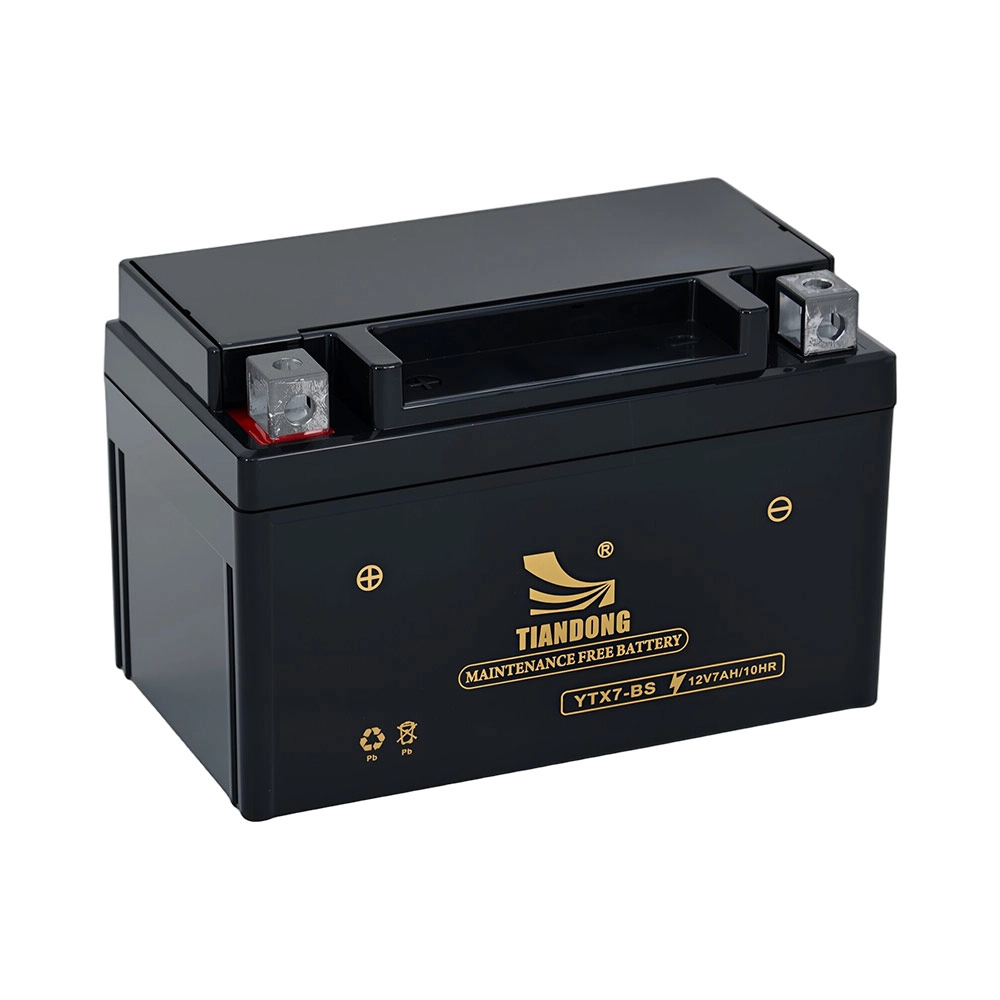
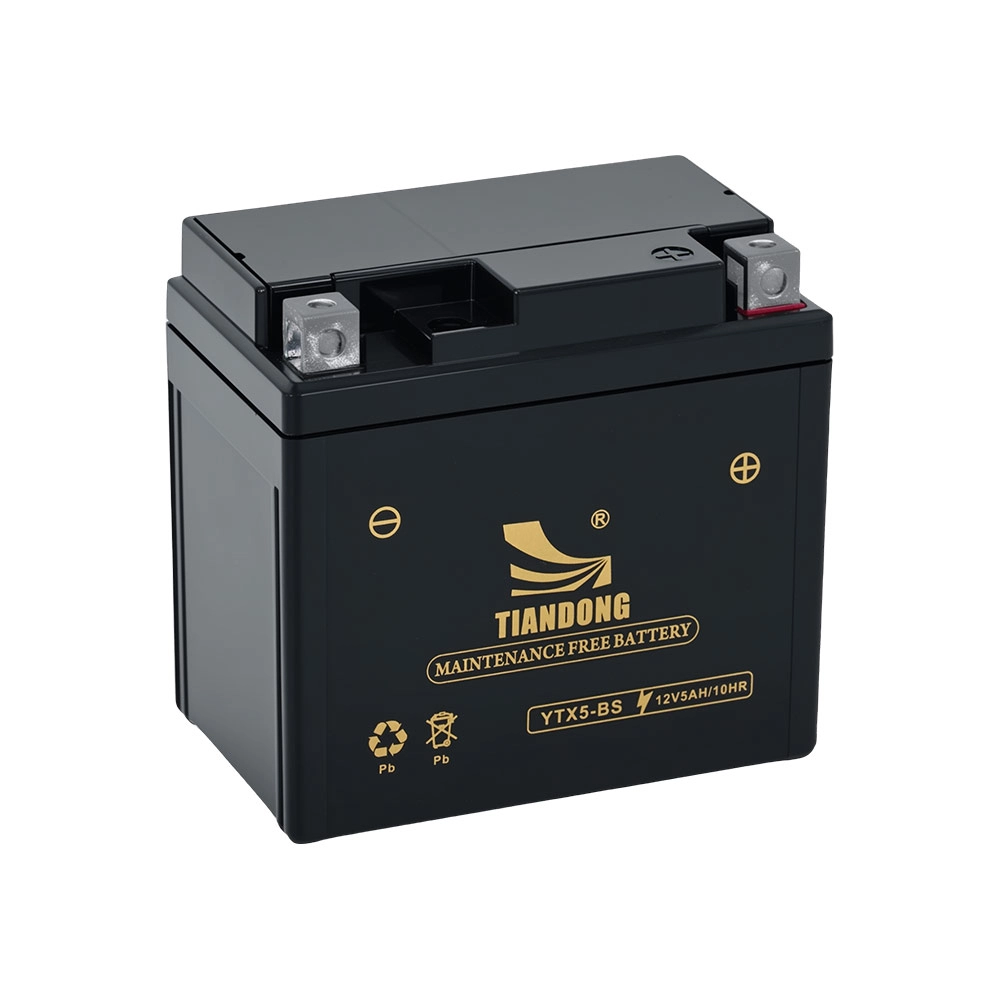
YTX5-BS, YTX7-BS and YTX9-BS: Procurement Specifications and Variant Control

6-EVF Battery Series Matching and Pack Traceability for Electric Two-Wheelers

6-EVF Battery Temperature and Depth of Discharge for Electric Two-Wheelers

6-EVF Battery Charging and Charger Matching for Electric Two-Wheelers

6-EVF Battery Cycle Life for Electric Two-Wheelers

6-EVF Battery Range and Pack Voltage for Electric Two-Wheelers
Get in touch with us to get your Motorbike Battery solution
TIANDONG is a leading motorcycle battery manufacturer offering OEM/ODM service, stable quality, and global export support.
Built for wholesalers. Trusted by global buyers. Delivered with confidence.
Say Hello
E-mail: daisybattery8@gmail.com
xianyingchen83@gmail. com
WhatsAPP: +86 134 283 86694
+86 134 348 86641
Our Location
Social Links
© 2025 TIANDONG. All Rights Reserved. Privacy Policy | Terms and Conditions | Sitemap
 Scan QR Code
Facebook
Instagram
Scan QR Code
Whatsapp: +8613434886641