






Which motorcycle batteries suit cruisers and long-distance touring?
- Why do high-displacement cruisers require specific CCA ratings?
- How does road vibration affect long-distance touring battery life?
- Can lithium batteries handle the electrical loads of touring?
- What is the impact of parasitic drain on cruisers?
- Does heat management matter for batteries on long trips?
- Why is terminal design critical for heavy touring motorcycles?
- Frequently Asked Questions
For long-distance touring and heavy cruisers, the best motorcycle batteries must balance high Cold Cranking Amps (CCA) with exceptional deep-cycle resilience. Unlike lightweight sportbikes, cruisers often feature high-displacement V-twin engines that require significant initial torque to start. Furthermore, the integration of GPS, heated grips, and communication systems necessitates a battery that can handle consistent parasitic loads without compromising its structural integrity over thousands of miles.
Why do high-displacement cruisers require specific CCA ratings?
Large V-twin engines found in cruisers have high compression ratios and significant rotational mass. A standard battery often fails because it cannot provide the sustained burst of current needed to overcome the mechanical resistance of heavy pistons. To ensure reliability, touring riders should look for batteries with a CCA rating that exceeds the OEM requirement by at least 20%. This provides a safety buffer for cold-weather starts and compensates for the natural voltage drop that occurs during extended trips where the charging system may be taxed by accessories.
How does road vibration affect long-distance touring battery life?
Vibration is the silent killer of lead-acid batteries. In cruisers, low-frequency engine pulses and varied road surfaces can cause internal lead plates to shed active material or suffer from tab breakage. To combat this, High Quality batteries utilize Absorbed Glass Mat (AGM) technology, where the electrolyte is trapped in fiberglass separators that compress the plates tightly. This construction makes the battery virtually immune to vibration-induced internal shorts, a critical factor for riders traversing cross-country routes where mechanical failure is not an option.
Can lithium batteries handle the electrical loads of touring?
Lithium Iron Phosphate (LiFePO4) batteries are increasingly popular for touring due to their weight savings and superior voltage stability. Unlike traditional lead-acid options, lithium maintains a higher resting voltage throughout most of its discharge cycle. This ensures that electronic fuel injection (EFI) systems and ignition coils receive consistent power for optimal combustion. However, it is vital to ensure the motorcycle's regulator-rectifier is compatible with lithium charging profiles to prevent overcharging during long, high-speed highway stints.
What is the impact of parasitic drain on cruisers?
Modern touring bikes are equipped with security systems, clocks, and ECU memories that draw power even when the ignition is off. Over a multi-day stop during a tour, a low-quality battery can discharge enough to prevent a restart. The best motorcycle batteries for this application feature low self-discharge rates and high reserve capacity (RC). This allows the battery to sustain these small loads for weeks while still retaining enough energy to crank the engine, providing peace of mind for riders who park their bikes at hotels or campsites.
Does heat management matter for batteries on long trips?
Long-distance touring often involves riding through varying climates, and heat is a major factor in battery degradation. High ambient temperatures accelerate the chemical reactions inside the battery, leading to grid corrosion and fluid loss in conventional flooded types. For touring, a sealed, valve-regulated design is essential. These units are engineered to recombine gases internally, preventing dry-out and ensuring that the battery remains functional even when subjected to the intense heat radiating from a large air-cooled cruiser engine.
Why is terminal design critical for heavy touring motorcycles?
Many beginners overlook the importance of the battery terminal. Cruisers often have multiple ring terminals attached for accessories like battery tenders, heated gear, and auxiliary lighting. A high-quality battery features reinforced copper or lead-alloy terminals with threaded inserts. This prevents the stripping of threads and ensures a low-resistance connection. A loose or corroded terminal on a long-distance trip can lead to intermittent charging issues or a total loss of power, making the physical build quality of the terminal as important as the internal chemistry.
At TIANDONG, we leverage over 15 years of technical expertise to manufacture batteries that exceed the rigorous demands of the global touring community. Our commitment to using high-purity raw materials and advanced AGM and Lithium technologies ensures that every unit provides the durability and cranking power required for the most demanding cruiser applications. We focus on solving the specific pain points of vibration resistance and thermal stability, making our products the preferred choice for B2B distributors and professional riders worldwide.
Contact us today for a professional quote and technical consultation at www.tiandongbattery.com or via email at daisybattery8@gmail.com.
Frequently Asked Questions
Why do high-displacement cruisers require specific CCA ratings?
Large V-twin engines found in cruisers have high compression ratios and significant rotational mass. A standard battery often fails because it cannot provide the sustained burst of current needed to overcome the mechanical resistance of heavy pistons. To ensure reliability, touring riders should look for batteries with a CCA rating that exceeds the OEM requirement by at least 20%.
How does road vibration affect long-distance touring battery life?
Vibration can cause internal lead plates to shed active material or suffer from tab breakage. Premium AGM batteries utilize fiberglass separators that compress the plates tightly, making the battery virtually immune to vibration-induced internal shorts, which is critical for long-distance routes.
Can lithium batteries handle the electrical loads of touring?
Yes, LiFePO4 batteries offer superior voltage stability for EFI systems and ignition coils. However, it is vital to ensure the motorcycle's charging system is compatible with lithium profiles to prevent overcharging during long highway stints.
What is the impact of parasitic drain on cruisers?
Security systems and ECUs draw power even when the ignition is off. High-quality batteries for touring feature low self-discharge rates and high reserve capacity, allowing them to sustain these loads for weeks while retaining enough energy to crank the engine.
Does heat management matter for batteries on long trips?
Yes, heat accelerates grid corrosion and fluid loss. For touring, a sealed, valve-regulated design is essential as it recombines gases internally, preventing dry-out even when subjected to intense heat from air-cooled cruiser engines.
Why is terminal design critical for heavy touring motorcycles?
Cruisers often have multiple accessories attached to the battery. Reinforced terminals with threaded inserts prevent stripped threads and ensure low-resistance connections, avoiding intermittent charging issues or power loss during long trips.

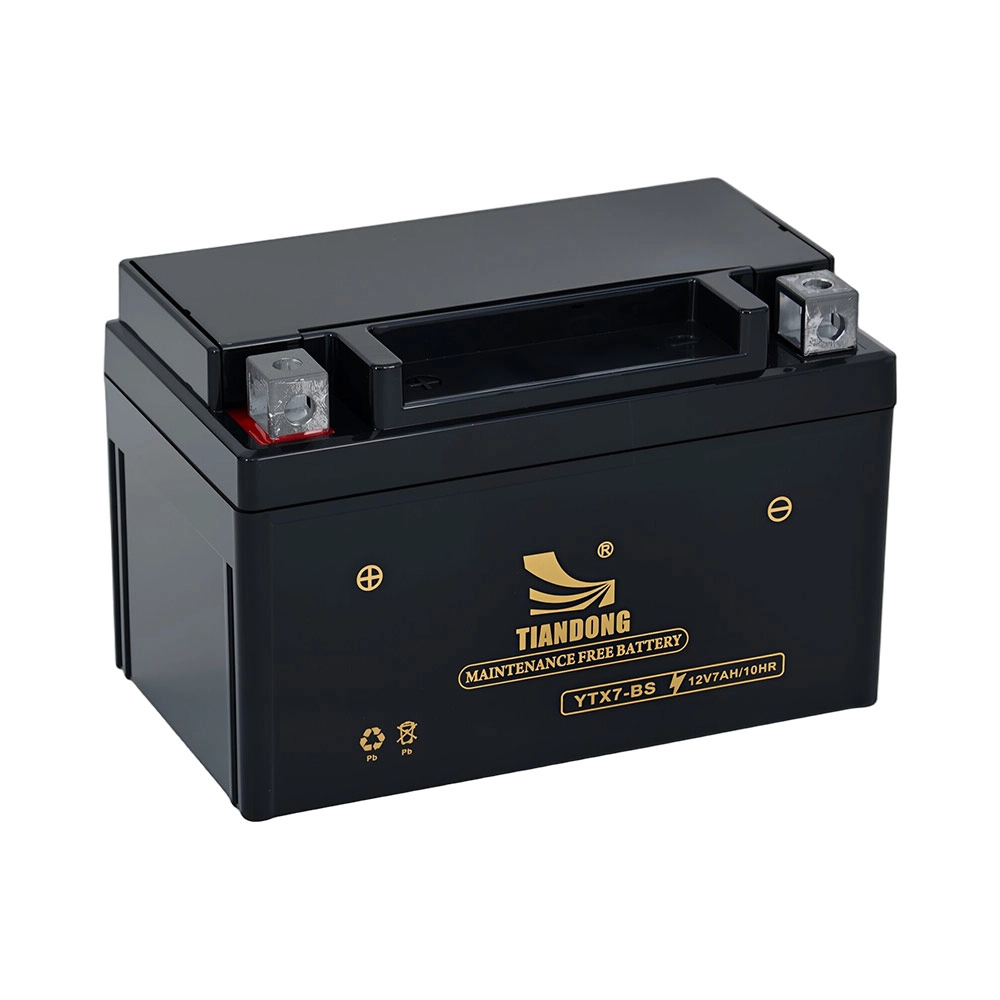
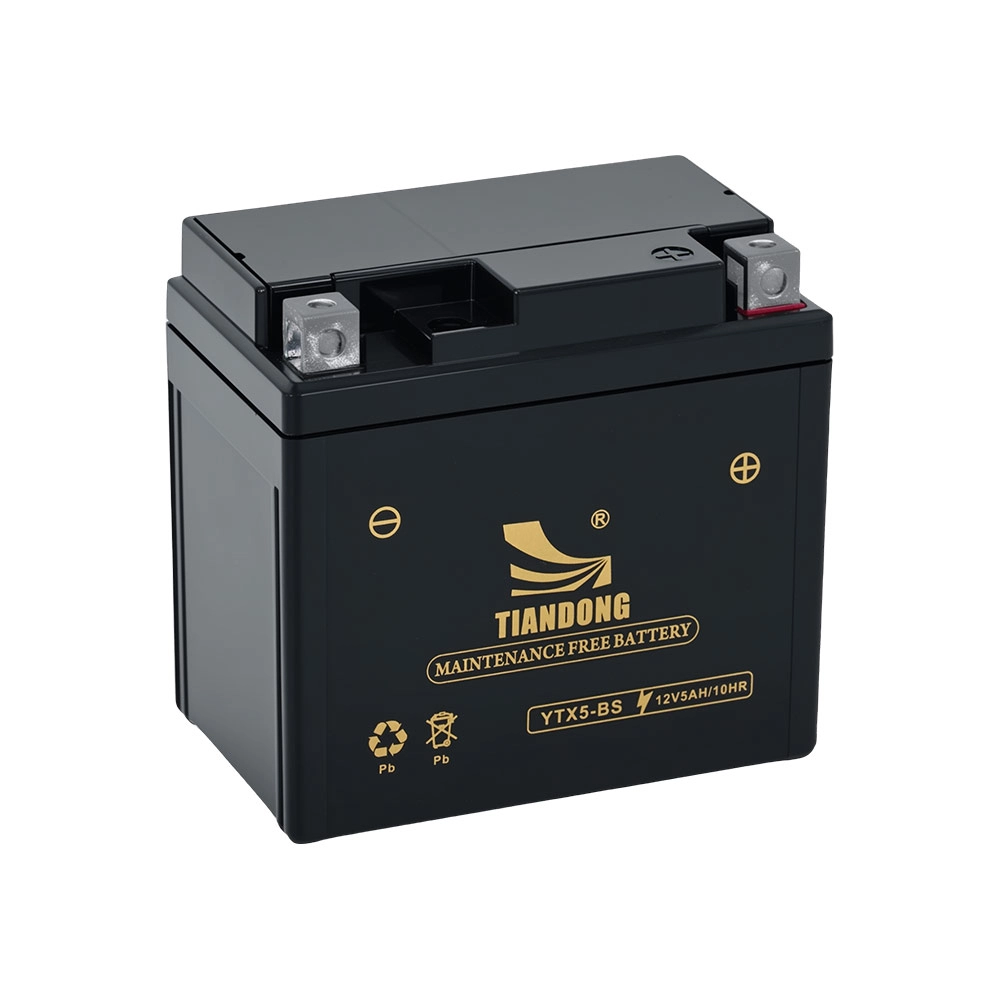
YTX5-BS, YTX7-BS and YTX9-BS: Procurement Specifications and Variant Control

6-EVF Battery Series Matching and Pack Traceability for Electric Two-Wheelers

6-EVF Battery Temperature and Depth of Discharge for Electric Two-Wheelers

6-EVF Battery Charging and Charger Matching for Electric Two-Wheelers

6-EVF Battery Cycle Life for Electric Two-Wheelers

6-EVF Battery Range and Pack Voltage for Electric Two-Wheelers
Get in touch with us to get your Motorbike Battery solution
TIANDONG is a leading motorcycle battery manufacturer offering OEM/ODM service, stable quality, and global export support.
Built for wholesalers. Trusted by global buyers. Delivered with confidence.
Say Hello
E-mail: daisybattery8@gmail.com
xianyingchen83@gmail. com
WhatsAPP: +86 134 283 86694
+86 134 348 86641
Our Location
Social Links
© 2025 TIANDONG. All Rights Reserved. Privacy Policy | Terms and Conditions | Sitemap
 Scan QR Code
Facebook
Instagram
Scan QR Code
Whatsapp: +8613434886641