






What Are the Best Fast-Charging Motorcycle Charge Battery Options?
What Are the Best Fast-Charging Motorcycle Charge Battery Options?
Quick Summary
Fast-charging motorcycle battery choices depend on cell chemistry, recommended C-rate, BMS balancing and temperature control. LiFePO4 and properly specified lithium-ion cells accept the highest safe charge rates when used with CC-CV chargers, cell monitoring and robust thermal management; wet and AGM batteries require much lower currents.
Brand Advantage & Next Steps
TIANDONG provides engineered fast-charge battery modules, charger integration guidance and technical support tailored for two-wheel applications. We focus on selecting cells with appropriate C-rate ratings, integrating BMS functions for cell balancing and temperature protection, and delivering datasheets and test-derived charge profiles to reduce cycle-life risk and prevent thermal events.
Our product engineering and application teams assist OEMs and distributors with specification matching, validation testing and compliance checkpoints so customers get reliable, fast-charge capable packs without sacrificing lifespan or safety.
Contact us for specifications, quotes, and fast-charge product support at www.tiandongbattery.com or daisybattery8@gmail.com.
6 Deep-Dive FAQs
Which fast-charge chemistries are safest for motorcycle batteries?
LiFePO4 is generally the safest chemistry for sustained high-rate charging because of its thermal stability and forgiving failure modes compared with high-energy nickel manganese cobalt (NMC) cells. Properly specified lithium‑ion cells can also accept fast charge but require stricter BMS and thermal controls. Sealed lead‑acid and AGM tolerate significantly lower continuous charge currents and are not recommended where repeated fast charging is required. Always verify the cell manufacturer C‑rate and integrate a BMS with cell-level monitoring.
How to calculate safe charge current for small motorcycle batteries?
Calculate safe charge current from the battery capacity and the recommended C‑rate. Formula: charge current (A) = C‑rate × capacity (Ah). For example, a 6 Ah pack at 0.5C charges at 3 A. Typical conservative guidance: flooded lead‑acid at 0.05–0.1C, AGM often 0.1–0.3C depending on spec, LiFePO4 commonly 0.5C with many cells rated to 1C or higher if the manufacturer specifies. Include a safety margin, use temperature monitoring, and follow the cell datasheet and BMS limits.
Can fast-charging reduce lifespan of sealed motorcycle batteries?
Yes. Higher charge currents increase internal temperature and accelerate electrochemical degradation mechanisms, reducing cycle life. The magnitude depends on chemistry, cell construction and thermal control; some lithium cells show measurable capacity fade if routinely charged above manufacturer‑recommended C‑rates. Mitigations include limiting charge current to the cell manufacturer specification, active cooling or temperature-based current reduction, partial SOC fast charges rather than full top‑ups, and robust BMS enforcement of charge cutoffs and balancing.
Best fast chargers for LiFePO4 motorcycle battery packs?
Select chargers that implement a LiFePO4‑specific charge profile: CC (constant current) followed by CV (constant voltage) to the correct per‑cell termination voltage (typically around 3.6–3.65 V per cell, per manufacturer). Chargers should support programmable current limits, a temperature sensor input, and communication or control lines to interface with the pack BMS for charge inhibit. For production use, choose units with proven thermal protection, known efficiency and datasheets showing current capability at the intended ambient range. Avoid generic lithium chargers that default to NMC or lead‑acid voltages.
How to balance cells during fast charge on multi-cell packs?
Balancing prevents single cells from reaching overvoltage during a fast charge. For high‑rate systems use a BMS with active balancing (preferred) or ensure adequate passive balancing capacity and a controlled pre‑charge equalization step before full current is applied. Monitor cell voltages during the CC phase and taper current when the first cells reach the CV threshold. Industry practice targets cell voltage spread below 0.02–0.05 V at charge completion; if packs regularly exceed that spread, increase balancing capacity or reduce charge current.
What charging profile prevents thermal runaway in high-rate motorcycle batteries?
A safe high‑rate charging profile includes: a controlled CC phase limited to the manufacturer‑approved C‑rate, a CV phase at the specified termination voltage for the chemistry, active temperature monitoring with current reduction above a safe temperature threshold, and strict termination criteria enforced by the BMS. Charging temperature windows are chemistry dependent but commonly 0–45°C for many lithium cells; stop charging if cells exceed the manufacturer temperature limit. Combine these controls with cell balancing and real‑time voltage and temperature cutoffs to minimize thermal runaway risk.

YTX5-BS, YTX7-BS and YTX9-BS: Procurement Specifications and Variant Control

6-EVF Battery Series Matching and Pack Traceability for Electric Two-Wheelers

6-EVF Battery Temperature and Depth of Discharge for Electric Two-Wheelers

6-EVF Battery Charging and Charger Matching for Electric Two-Wheelers

6-EVF Battery Cycle Life for Electric Two-Wheelers

6-EVF Battery Range and Pack Voltage for Electric Two-Wheelers
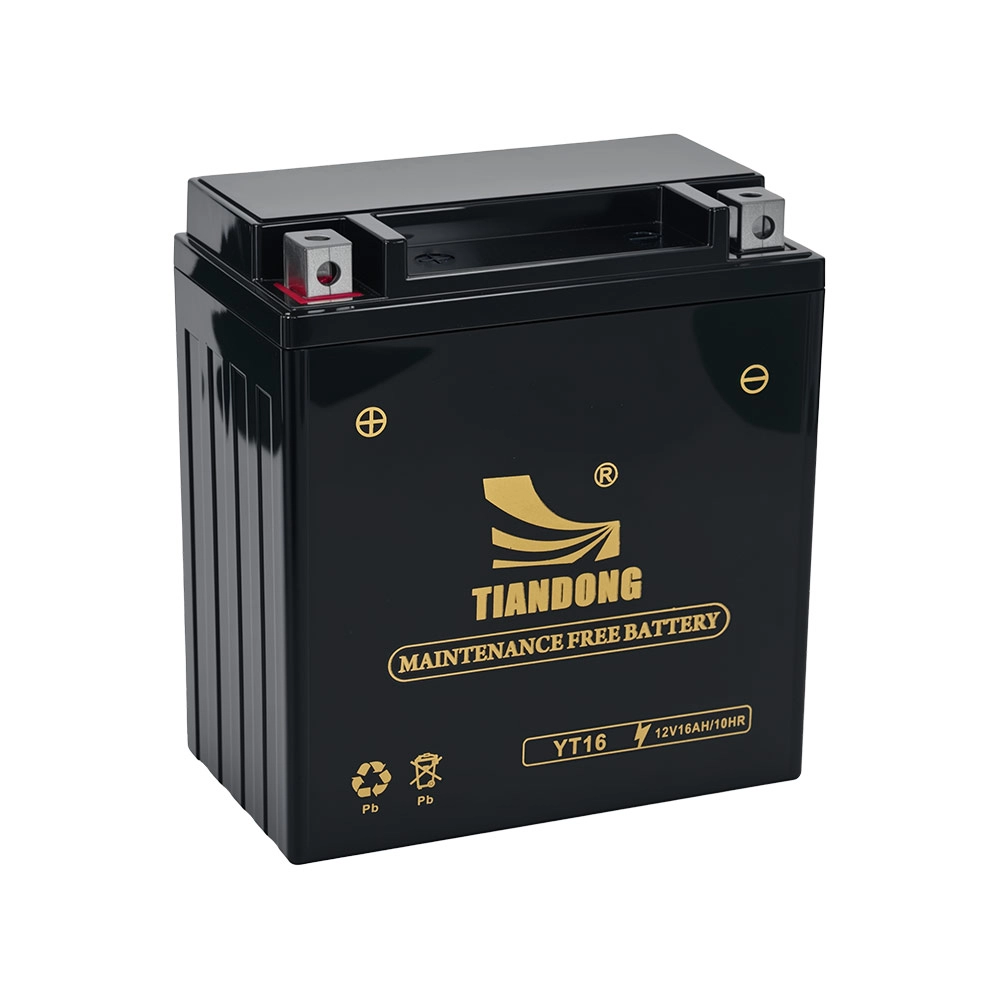
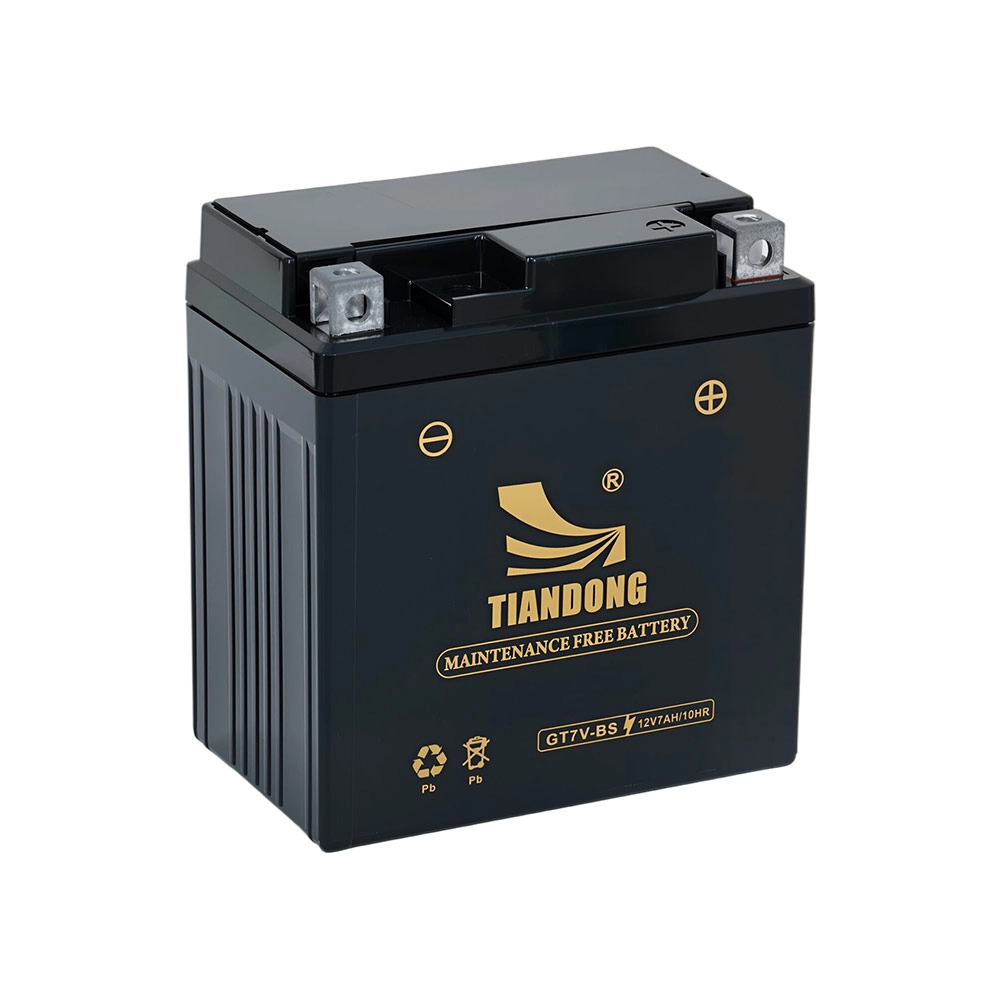
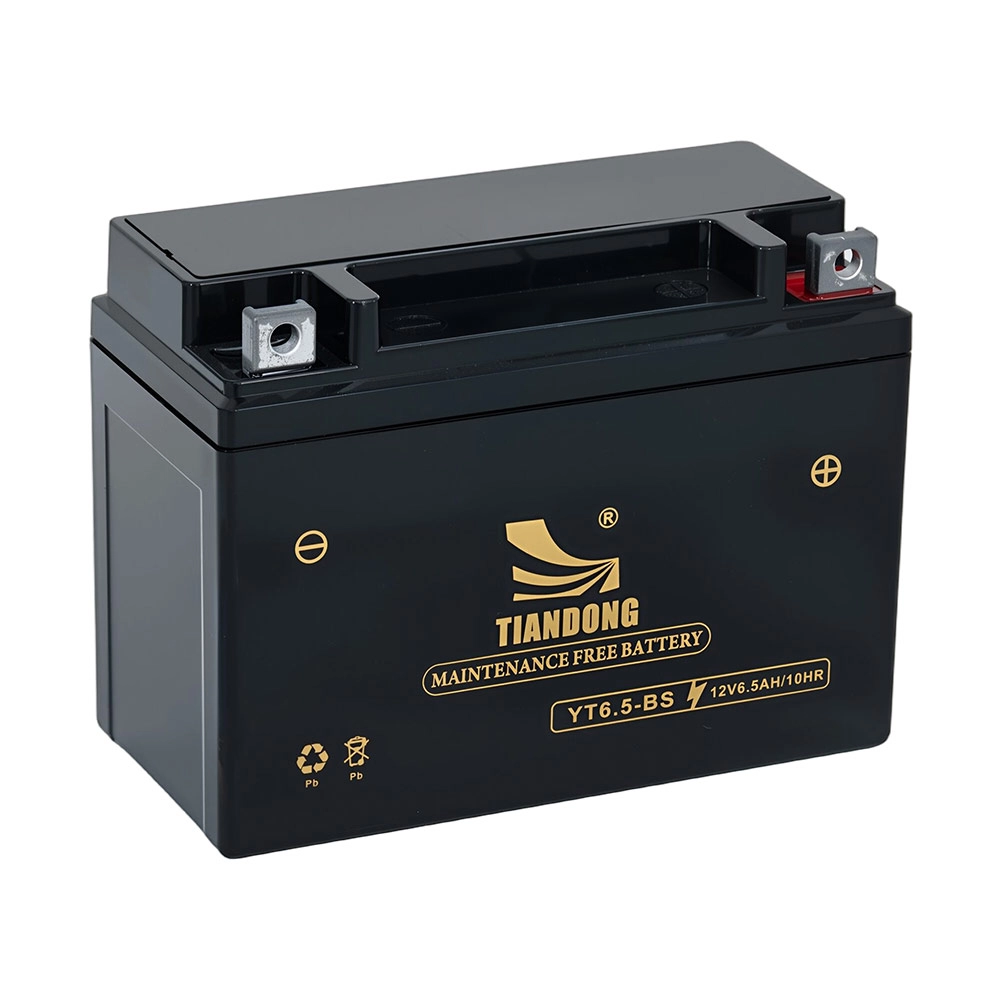
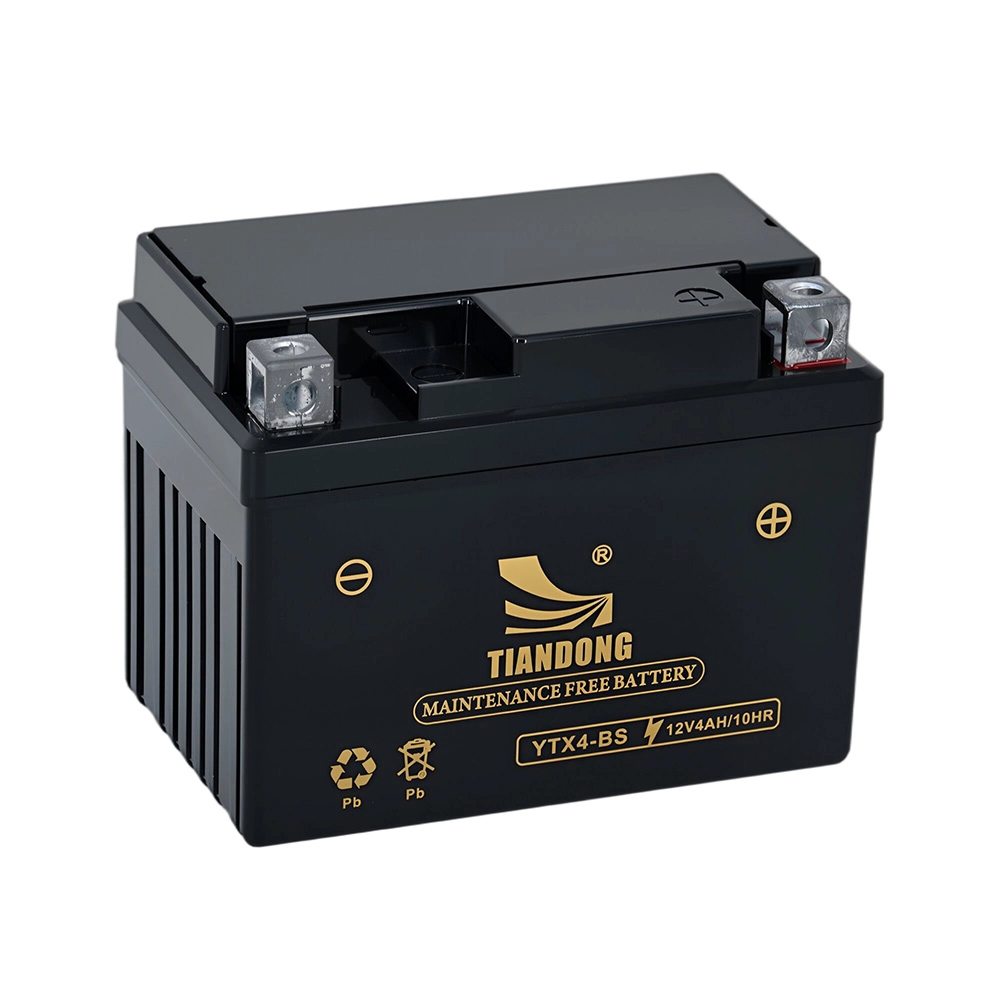
Get in touch with us to get your Motorbike Battery solution
TIANDONG is a leading motorcycle battery manufacturer offering OEM/ODM service, stable quality, and global export support.
Built for wholesalers. Trusted by global buyers. Delivered with confidence.
Say Hello
E-mail: daisybattery8@gmail.com
xianyingchen83@gmail. com
WhatsAPP: +86 134 283 86694
+86 134 348 86641
Our Location
Social Links
© 2025 TIANDONG. All Rights Reserved. Privacy Policy | Terms and Conditions | Sitemap
 Scan QR Code
Facebook
Instagram
Scan QR Code
Whatsapp: +8613434886641