






Motorcycle Battery SKU Assortment Planning for Distributors
- What Is Motorcycle Battery SKU Assortment Planning?
- Why SKU Count Alone Is the Wrong Metric
- Start With Market Demand and Verified Fitment
- Identify Demand Signals
- Separate Recorded Sales From Unmet Demand
- Build the Application Demand Pool Before Selecting SKUs
- Verify Fitment Before It Influences Coverage
- Separate Product, SKU and Fitment Records
- Product Identity vs. Distributor SKU
- Product Data vs. Fitment Data
- Maintain Replacement Relationships Separately
- Define Assortment Role, Demand Trend, Fulfillment Mode and Lifecycle Status
- Assortment Role: Why Is the SKU in the Range?
- Demand Trend: How Is Demand Changing?
- Fulfillment Mode: How Should the SKU Be Offered?
- SKU Lifecycle Status: What Is Its Current Management State?
- Evaluate Assortment Coverage, Gaps and Duplication
- Measure Verified Application Coverage
- Check Whether a SKU Adds Verified Coverage
- Identify Coverage Gaps
- Identify Duplicate Coverage
- Review Product-Category Coverage
- Build a Motorcycle Battery SKU Assortment Matrix
- Make the Final SKU Decision
- Add
- Keep
- Restrict
- Replace
- Remove
- Review and Rationalize the Assortment Over Time
- Validate Trial SKUs Before Full Adoption
- Move Weak or Overlapping SKUs Into Review
- Restrict Before Removing When Demand Still Exists
- Turn the Assortment Plan Into a Supplier Discussion
- Account for OEM and Private-Label SKU Differences
- Motorcycle Battery SKU Assortment Decision Checklist
- Frequently Asked Questions
- When Does a Private-Label Motorcycle Battery Need a Separate Distributor SKU?
- What Information Should a Distributor Request Before Adding a New Motorcycle Battery SKU?
- Build a Defensible Motorcycle Battery Assortment
What Is Motorcycle Battery SKU Assortment Planning?
Motorcycle battery SKU assortment planning is the process of deciding which battery products belong in a distributor's range, which verified motorcycle applications they serve, how they should be offered, and what action should be taken for each SKU.
It is different from two related activities:
- Assortment planning determines what products should be carried.
- Inventory planning determines how much of each product should be held.
- Replenishment planning determines when those products should be reordered.
A distributor can manage stock levels efficiently and still have a weak assortment. For example, the catalog may contain many motorcycle battery models while still having important application gaps, duplicated SKUs, unverified cross-references, products with no clear commercial role, or replacement products competing with older SKUs.
For broader decisions involving inventory quantities, replenishment, ordering, receiving, and after-sales management, see the Motorcycle Battery Distributor Guide.
Why SKU Count Alone Is the Wrong Metric
The number of SKUs in a catalog does not measure assortment quality.
A smaller range may provide stronger market coverage when each SKU has:
- verified application relevance;
- identifiable demand;
- a clear assortment role;
- limited unnecessary overlap;
- an appropriate fulfillment method.
How much useful, verified application coverage does the assortment provide? That is more important than simply increasing the number of motorcycle battery SKUs.
Start With Market Demand and Verified Fitment
A distributor should not add a motorcycle battery SKU simply because the supplier can manufacture it. The process should begin with market demand and motorcycle applications.
Identify Demand Signals
Useful signals can include:
- historical sales;
- dealer enquiries;
- workshop enquiries;
- repeated special-order requests;
- stockout enquiries;
- lost sales;
- requests for new motorcycle applications.
Demand evidence becomes more useful when the distributor also records its source and timing.
Demand Signal → Source → Date or Period → Motorcycle Application
Separate Recorded Sales From Unmet Demand
Sales data shows what customers purchased. It does not always show what customers wanted. If a motorcycle battery has never been stocked, it may show zero sales even when dealers repeatedly request the corresponding application. Stockouts can create the same problem.
For assortment planning, distributors should therefore evaluate:
- sales;
- enquiries;
- special orders;
- lost sales;
- dealer or workshop requests.
Build the Application Demand Pool Before Selecting SKUs
A stronger planning sequence is:
Market Demand → Motorcycle Application → Verified Fitment → SKU Candidate
A weaker approach is:
Supplier Catalog → Select SKU → Try to Find a Market
Starting from the application keeps motorcycle battery SKU selection connected to real commercial needs.
Verify Fitment Before It Influences Coverage
Fitment information should use a simple verification model:
- Verified
- Needs Verification
- Invalid
Only verified application relationships should count as confirmed assortment coverage. A similar voltage, capacity, case size, or terminal layout does not by itself prove that two motorcycle batteries are interchangeable.
Separate Product, SKU and Fitment Records
A distributor can manage a motorcycle battery product assortment more reliably when product identity, internal SKU information, and fitment information are kept distinct.
Product Identity vs. Distributor SKU
The supplier or manufacturer model identifies the underlying battery product, while the distributor SKU is the distributor's internal commercial reference for catalog management, pricing, dealer ordering, and assortment control.
A distributor SKU is an internal commercial identifier; it should not replace the underlying product identity.
As an external product-identification reference, the GS1 GTIN Management Standard provides rules for consistent unique identification of trade items in open supply chains. A GTIN and a distributor's own internal SKU serve different identification purposes.
Product Data vs. Fitment Data
Product data describes the battery itself. Typical product fields may include:
- battery category;
- voltage;
- capacity / Ah;
- dimensions;
- terminal layout;
- polarity;
- packaging;
- technical document revision.
Fitment data describes where that battery can be used. Typical fitment fields may include:
- motorcycle make;
- model;
- application;
- compatibility relationship;
- verification status;
- information source;
- revision record.
Product data describes the battery. Fitment data describes where the battery can be used.
For distributors working with North American automotive aftermarket catalog data, the Auto Care Association provides a useful industry reference: ACES® is designed for the management and communication of product fitment data and explicitly includes powersport applications, while PIES® is designed for the management and communication of product information. These standards are useful references rather than universal requirements for every motorcycle battery market.
Maintain Replacement Relationships Separately
When one product replaces another, the relationship should be controlled explicitly:
Old Product / SKU → Replacement Product / SKU
Without this relationship, an older model and its replacement may remain in the standard assortment at the same time. A replacement relationship should not be assumed from similar specifications alone.
Define Assortment Role, Demand Trend, Fulfillment Mode and Lifecycle Status
A single label cannot describe every important aspect of a motorcycle battery SKU. A more useful model separates four different questions.
Assortment Role: Why Is the SKU in the Range?
Core — Core SKUs serve important, recurring, or strategically necessary applications.
Supporting — Supporting SKUs extend useful application or product-category coverage beyond the core range.
Long-Tail — Long-Tail SKUs serve legitimate but relatively infrequent application demand.
Demand Trend: How Is Demand Changing?
- Growing
- Stable
- Declining
A Core SKU can have Growing demand. A Long-Tail SKU can also have Growing demand. The assortment role and demand trend therefore should not be merged into one field.
Fulfillment Mode: How Should the SKU Be Offered?
Stocked — The SKU belongs in the distributor's standard stocked assortment.
Special Order — The SKU remains commercially available for a specific requirement but does not need to remain in the standard stocked range.
SKU Lifecycle Status: What Is Its Current Management State?
- Active
- Trial
- Under Review
- Phase-Out
- Inactive
| Dimension | Example Value |
|---|---|
| Assortment Role | Long-Tail |
| Demand Trend | Stable |
| Fulfillment Mode | Special Order |
| Lifecycle Status | Active |
Evaluate Assortment Coverage, Gaps and Duplication
This stage is analytical. The purpose is to understand the current range before making a final SKU decision.
Measure Verified Application Coverage
Which verified motorcycle applications can the current assortment serve?
Coverage should be based on validated application relationships, not catalog size.
Check Whether a SKU Adds Verified Coverage
For each candidate product, ask: Does this SKU add useful verified coverage?
- Yes
- No
- Needs Verification
Identify Coverage Gaps
- verified demand has no suitable SKU;
- a confirmed application has no assigned product;
- repeated special-order requests point to the same missing application;
- an important buyer requirement is not served by the current range.
Identify Duplicate Coverage
- several SKUs serve substantially the same verified application need;
- an older product remains active beside a replacement;
- products have no clearly differentiated role;
- additional models increase complexity without adding useful coverage.
Similar voltage, Ah, dimensions, or terminal arrangement alone do not prove equivalent fitment.
Review Product-Category Coverage
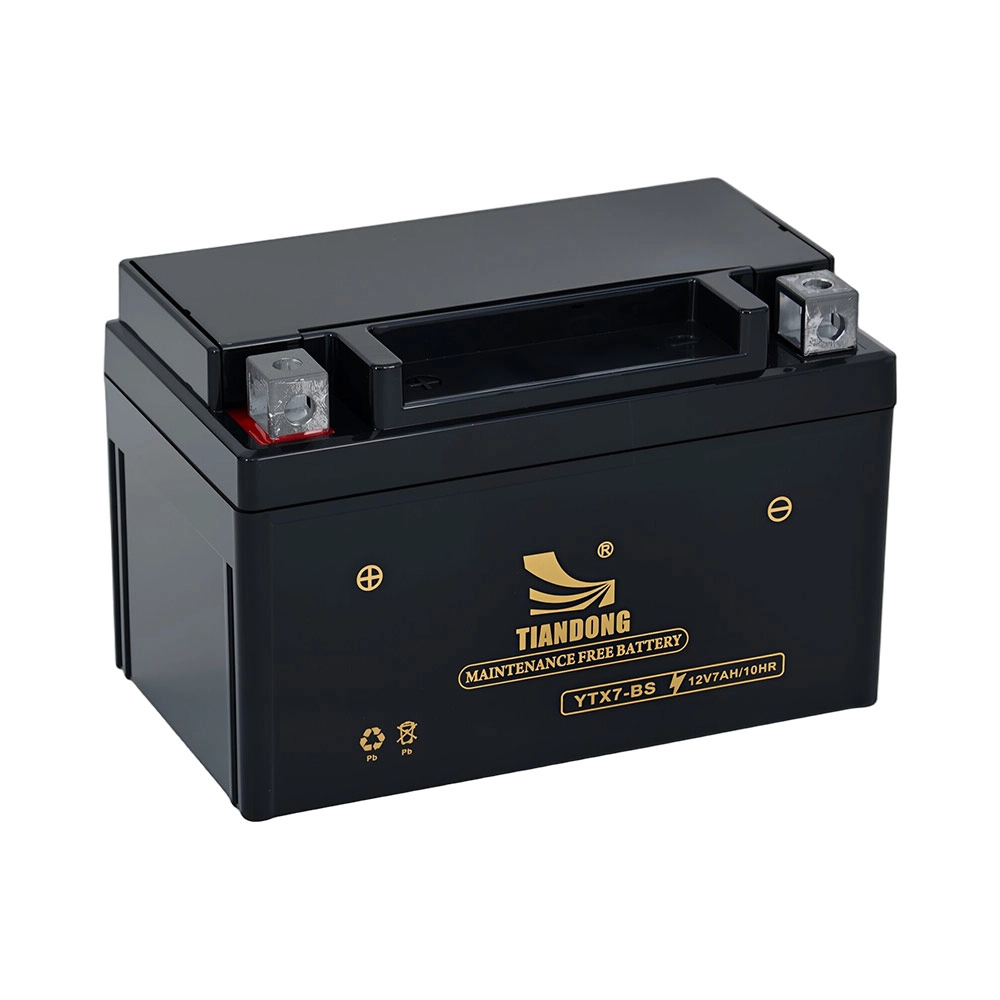
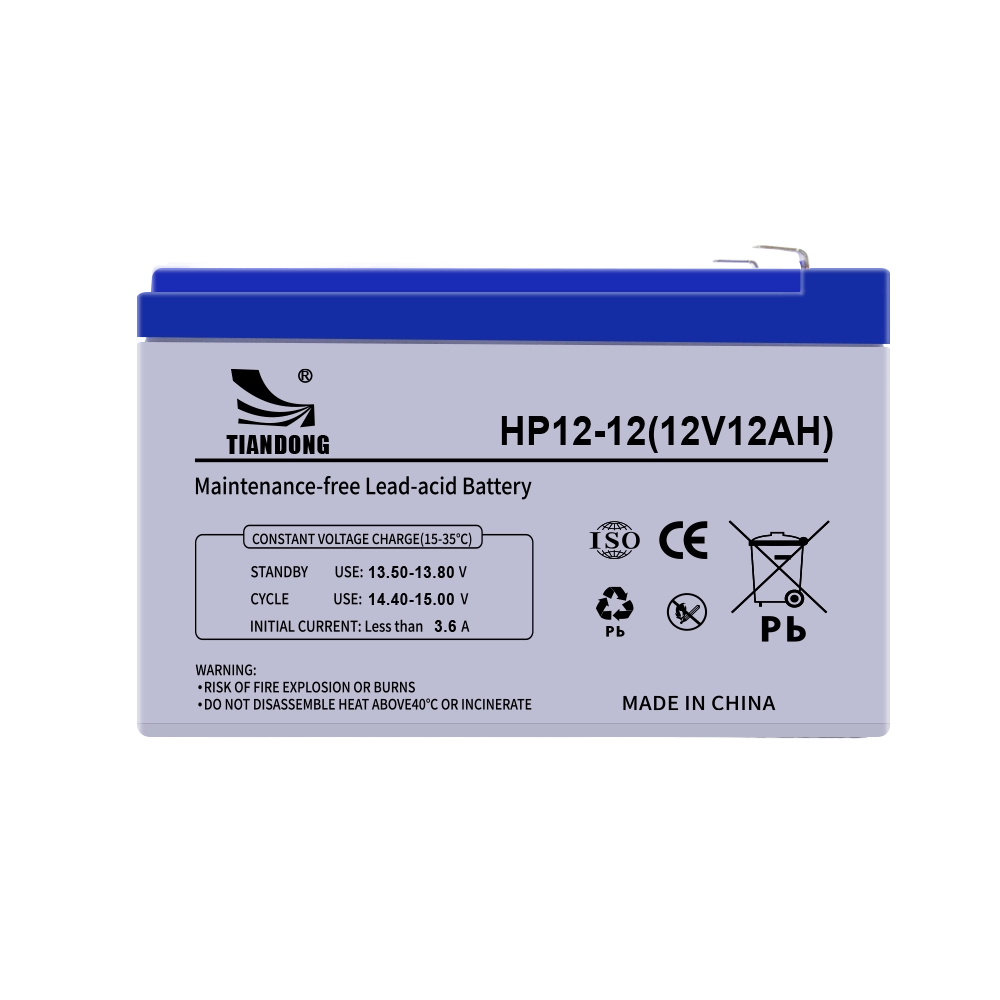
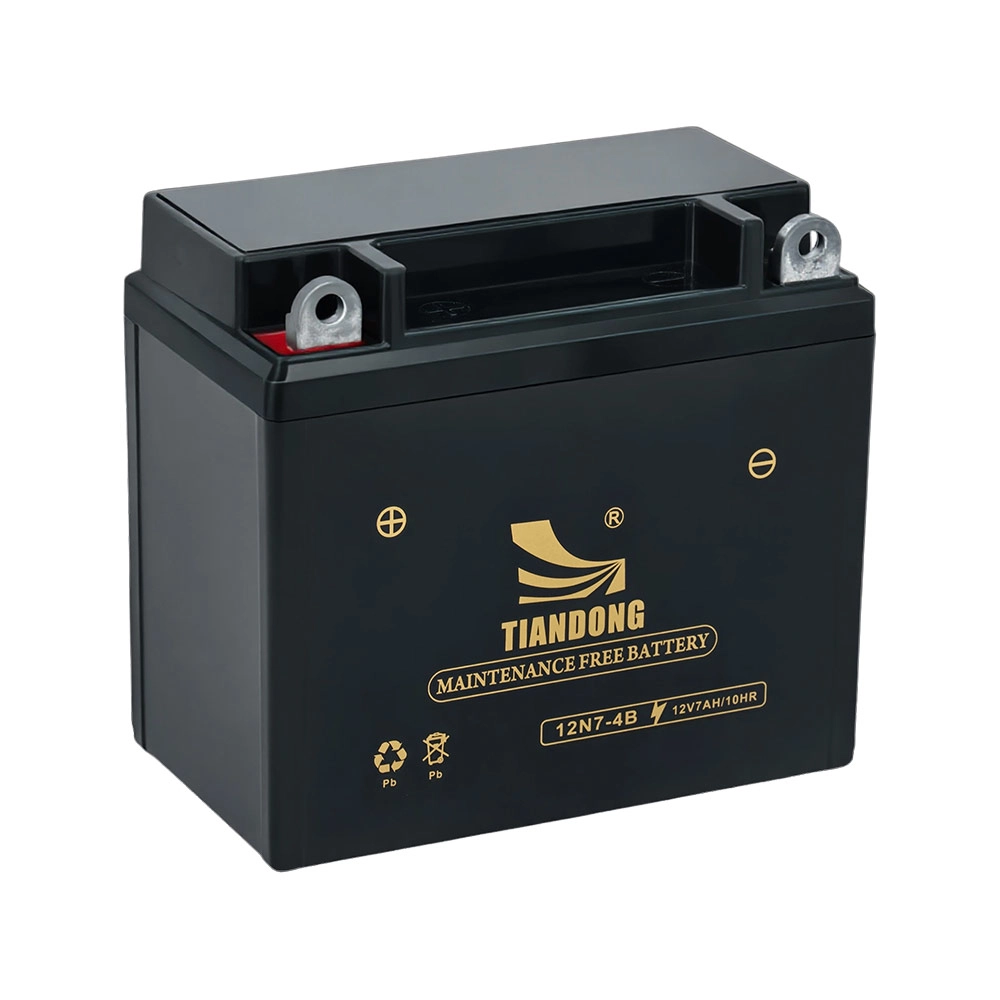
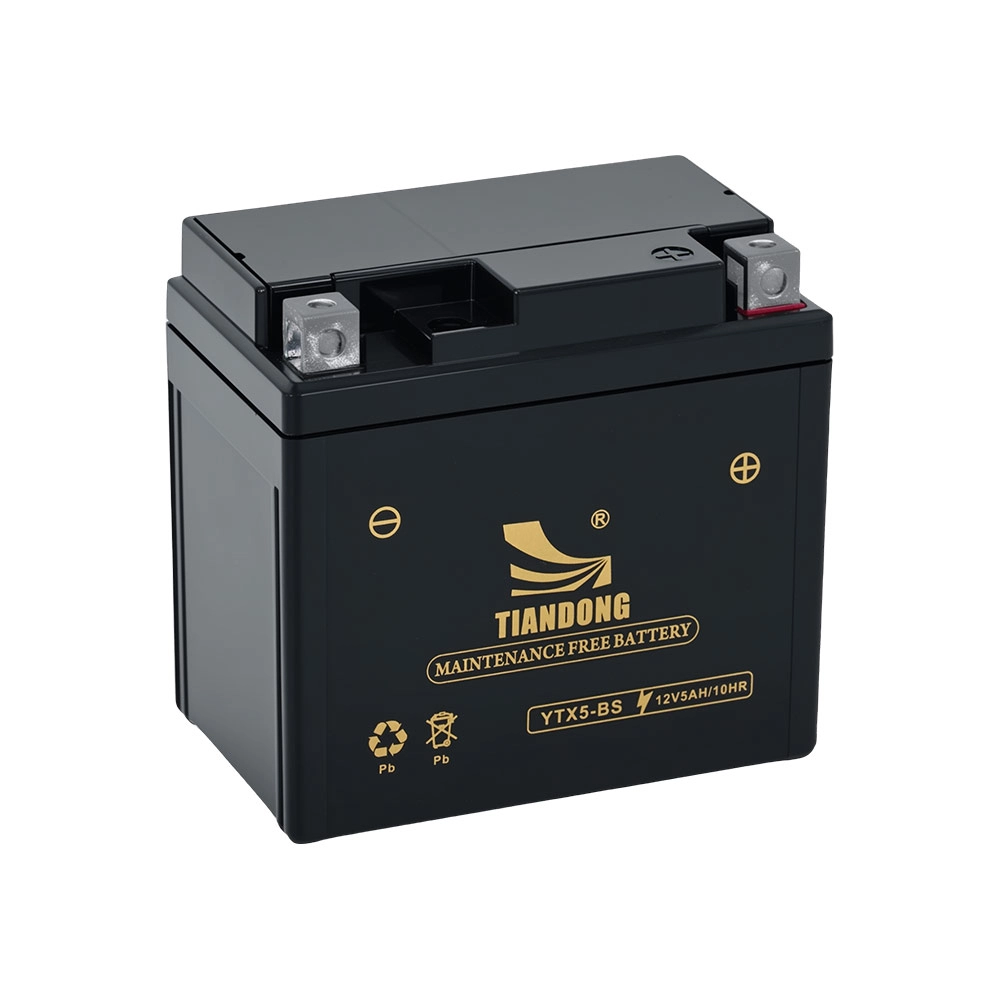
Tiandong's current motorcycle battery range includes:
Distributors can also review the broader Motorcycle Battery range.
Does this category serve a verified application, buyer requirement, or defined role in the target market?
Build a Motorcycle Battery SKU Assortment Matrix
A structured motorcycle battery SKU matrix turns assortment planning into a repeatable decision process.
| Field | Planning Purpose |
|---|---|
| Supplier / Manufacturer Model | Identifies the underlying product |
| Distributor SKU | Internal commercial reference |
| Battery Category | Defines product family |
| Voltage | Product data |
| Capacity / Ah | Product data |
| Dimensions | Physical-fit reference |
| Terminal Layout | Fitment-control reference |
| Motorcycle Application | Maps the product to application demand |
| Fitment Verification | Verified / Needs Verification / Invalid |
| Demand Signal | Sales / Enquiry / Lost Sale / Special Order |
| Demand Source | Dealer / Workshop / Distributor Data / Other |
| Last Observed | Indicates recency of demand evidence |
| Assortment Role | Core / Supporting / Long-Tail |
| Demand Trend | Growing / Stable / Declining |
| Fulfillment Mode | Stocked / Special Order |
| SKU Lifecycle Status | Active / Trial / Under Review / Phase-Out / Inactive |
| Adds Verified Coverage? | Yes / No / Needs Verification |
| Replacement SKU | Controls replacement relationships |
| Final Decision | Add / Keep / Restrict / Replace / Remove |
Make the Final SKU Decision
Add
Choose Add when the candidate has sufficiently verified fitment, meaningful demand evidence, useful coverage value, and a clear role in the range.
Keep
Choose Keep when the existing assortment treatment remains justified.
Restrict
Choose Restrict when demand remains legitimate but the product should no longer occupy the same position in the standard stocked assortment.
Stocked → Special Order
Replace
Choose Replace when another verified product can take over the required assortment role and the replacement relationship is sufficiently established.
Remove
Choose Remove when the SKU no longer provides a defensible assortment contribution and no meaningful requirement remains for continued availability.
Do not add a motorcycle battery SKU simply because it exists in a supplier catalog. Add it when it serves verified demand, provides useful application coverage, and has a clearly defined role in the assortment.
Review and Rationalize the Assortment Over Time
Validate Trial SKUs Before Full Adoption
A Trial SKU should move toward Active status only when evidence supports it. Useful evidence can include:
- actual orders;
- repeated enquiries;
- dealer response;
- verified application feedback.
Move Weak or Overlapping SKUs Into Review
- coverage becomes duplicated;
- demand weakens;
- a replacement product becomes available;
- fitment requires repeated correction;
- its assortment role is no longer clear.
Restrict Before Removing When Demand Still Exists
A low-frequency SKU may still serve a legitimate application. In that case, changing the fulfillment mode from Stocked to Special Order may be more appropriate than immediate removal.
Turn the Assortment Plan Into a Supplier Discussion
Once assortment gaps and candidate SKUs are clear, useful information for a supplier discussion can include:
- target market;
- motorcycle applications;
- current SKU list;
- identified assortment gaps;
- products requiring fitment confirmation;
- preferred battery categories;
- relevant demand evidence;
- private-label or packaging requirements.
Account for OEM and Private-Label SKU Differences
Tiandong's current OEM & ODM options include customization possibilities such as logo printing, color and label design, voltage and capacity customization, terminal options, CCA adjustment where applicable, retail boxes, bulk pallets, and export-ready packaging.
A private-label or packaging variation may justify a separate distributor SKU for commercial management without changing the underlying fitment. A technical specification change may require separate product data and fitment verification.
Tiandong has focused on motorcycle battery R&D, manufacturing, and trade since 2007. Additional company information is available on the About Us page.
Motorcycle Battery SKU Assortment Decision Checklist
- Demand — Is there current, identifiable demand evidence?
- Fitment — Is the application relationship verified?
- Coverage — Does the SKU add useful coverage or duplicate an existing product?
- Role — Is the SKU Core, Supporting, or Long-Tail?
- Trend — Is demand Growing, Stable, or Declining?
- Fulfillment — Should it be Stocked or Special Order?
- Lifecycle — Is it Active, Trial, Under Review, Phase-Out, or Inactive?
- Decision — Add, Keep, Restrict, Replace, or Remove?
Demand Evidence → Verified Fitment → Product Record → Coverage → Assortment Role → Demand Trend → Fulfillment Mode → Lifecycle Status → Final Decision
The goal is not to build the largest motorcycle battery catalog. It is to build a range in which every SKU has a clear and defensible reason to exist.
Frequently Asked Questions
When Does a Private-Label Motorcycle Battery Need a Separate Distributor SKU?
A separate distributor SKU may be useful when the private-label version needs to be managed separately for ordering, pricing, packaging, branding, channel allocation, or reporting. However, a new distributor SKU does not automatically mean the underlying battery or fitment has changed. Technical changes should be evaluated separately from branding and packaging changes.
What Information Should a Distributor Request Before Adding a New Motorcycle Battery SKU?
The distributor should confirm the underlying product model, relevant technical specifications, intended motorcycle applications, available fitment information, replacement relationships where applicable, and any packaging or private-label differences. That supplier information should then be compared with the distributor's own demand evidence, coverage gaps, and existing SKU overlap before the final assortment decision is made.
Build a Defensible Motorcycle Battery Assortment
A strong motorcycle battery assortment is not defined by the largest possible SKU count. It is defined by verified demand, reliable fitment information, useful application coverage, clear SKU roles, appropriate fulfillment rules, and disciplined lifecycle decisions.
Need to discuss an assortment gap or product-selection requirement? Contact Tiandong with the target market, motorcycle applications, current product list, and relevant demand information.

YTX5-BS, YTX7-BS and YTX9-BS: Procurement Specifications and Variant Control

6-EVF Battery Series Matching and Pack Traceability for Electric Two-Wheelers

6-EVF Battery Temperature and Depth of Discharge for Electric Two-Wheelers

6-EVF Battery Charging and Charger Matching for Electric Two-Wheelers

6-EVF Battery Cycle Life for Electric Two-Wheelers

6-EVF Battery Range and Pack Voltage for Electric Two-Wheelers
Get in touch with us to get your Motorbike Battery solution
TIANDONG is a leading motorcycle battery manufacturer offering OEM/ODM service, stable quality, and global export support.
Built for wholesalers. Trusted by global buyers. Delivered with confidence.
Say Hello
E-mail: daisybattery8@gmail.com
xianyingchen83@gmail. com
WhatsAPP: +86 134 283 86694
+86 134 348 86641
Our Location
Social Links
© 2025 TIANDONG. All Rights Reserved. Privacy Policy | Terms and Conditions | Sitemap
 Scan QR Code
Facebook
Instagram
Scan QR Code
Whatsapp: +8613434886641