






Motorcycle Battery Inventory Management for Distributors
- What Is Motorcycle Battery Inventory Management?
- Why On-Hand Stock Is Not the Same as Available-to-Sell Inventory
- Build a Reliable Inventory Data Foundation
- Track Demand Beyond Recorded Sales
- Track Open Orders and Backorders Separately
- Track the Real Inventory Position by SKU
- Verify Physical Stock Against System Stock
- Track Inventory by Warehouse or Stock Location
- Keep Inventory Decisions Separate From Assortment Decisions
- Segment Inventory by Movement, Variability and Seasonality
- Classify Inventory by Movement
- Measure Demand Variability Separately
- Record Seasonality Separately
- Detect Hidden Demand Behind Stockouts
- Control Motorcycle Battery Age, Condition and Stock Rotation
- Track Receiving Date, Stock Age and Batch Information Where Available
- Use Age- and Condition-Based Stock Rotation
- Separate Saleable Stock From Unavailable Inventory
- Follow Product-Specific Storage and Maintenance Requirements
- Review Aging Inventory Before Replenishing
- Set Replenishment Rules Without One Universal Formula
- Estimate Demand During Supplier Lead Time
- Account for Available-to-Sell Stock
- Evaluate Confirmed Inbound Quantity by Status
- Account for Lead-Time Variability and Supplier Reliability
- Add a Safety Allowance for Residual Uncertainty
- Review MOQ and Supplier Constraints
- Review Exceptions Before Finalizing Replenishment
- A Practical Replenishment Planning Model
- Balance Availability, Overstock Risk and Inventory Value
- Avoid Overstocking Slow-Moving SKUs
- Do Not Measure Inventory Only by Unit Count
- Monitor a Focused Set of Inventory and Replenishment KPIs
- Build a Motorcycle Battery Inventory Review Matrix
- Core Inventory Review Matrix
- Optional Advanced Fields
- Make the Replenishment Decision
- Replenish
- Maintain
- Reduce Replenishment
- Review
- Pause Replenishment
- Motorcycle Battery Inventory Management Checklist
- Frequently Asked Questions
- Should inbound motorcycle battery inventory be counted before it physically arrives?
- Should a distributor reorder a motorcycle battery SKU if another warehouse still has stock?
What Is Motorcycle Battery Inventory Management?
Motorcycle battery inventory management is the process of controlling how much stock is physically present, how much is actually available to sell, what customer demand is already committed, what supply can reliably arrive, how old the stock is, and when each SKU should be replenished without creating unnecessary stockout or overstock risk.
It is useful to separate three related activities:
| Planning Area | Main Question |
|---|---|
| Assortment Planning | What motorcycle battery SKUs should be carried? |
| Inventory Management | What stock is actually available and at risk? |
| Replenishment Planning | When and how much should be reordered? |
A distributor can have the right assortment and still manage inventory poorly. Likewise, inventory quantities can be carefully controlled while the assortment itself contains unnecessary or poorly selected SKUs.
The decisions are connected, but they should not be treated as the same task. For the broader relationship between SKU planning, inventory, ordering, receiving, and after-sales operations, see the Motorcycle Battery Distributor Guide.
Why On-Hand Stock Is Not the Same as Available-to-Sell Inventory
One of the most important principles in motorcycle battery stock management is:
On-Hand Stock is not automatically the same as Available-to-Sell inventory.
Physical or system inventory may include batteries that are:
- allocated to customer orders;
- reserved for a dealer;
- under inspection;
- damaged;
- on hold;
- otherwise unavailable for immediate sale.
On-Hand → Allocated / Reserved → Hold / Unavailable → Available-to-Sell
The exact calculation may differ between distributors, but the principle remains the same: replenishment decisions should use usable inventory, not simply the total quantity recorded in the warehouse.
Build a Reliable Inventory Data Foundation
A replenishment decision is only as reliable as the data behind it. Before deciding whether a motorcycle battery SKU should be reordered, a distributor needs a clear view of demand, available inventory, committed orders, inbound supply, inventory accuracy, and stock location.
Track Demand Beyond Recorded Sales
Historical sales matter, but they do not always show the complete demand picture. A product that was unavailable may record few or no sales even when dealers repeatedly requested it.
Useful demand evidence may include:
- completed sales;
- dealer enquiries;
- workshop requests;
- lost sales;
- stockout enquiries;
- special-order requests.
Sales history may understate real demand when the product was unavailable.
Track Open Orders and Backorders Separately
Historical demand and committed demand are not the same. A distributor may already have confirmed customer orders, dealer backorders, or other unfulfilled committed demand.
Open committed demand should be added separately only when it has not already been included in the forecast.
For example, if a demand forecast already incorporates confirmed dealer orders, those same orders should not be added again as a separate replenishment requirement.
Track the Real Inventory Position by SKU
A practical motorcycle battery stock-control record should distinguish:
- On-Hand;
- Allocated / Reserved;
- Hold / Unavailable;
- Available-to-Sell;
- Confirmed Inbound Quantity.
On-Hand indicates what is physically or system-recorded. Available-to-Sell indicates what can support new customer demand. Confirmed Inbound Quantity represents future supply and should remain separate from current saleable inventory.
Verify Physical Stock Against System Stock
Inventory software is useful only when system records reflect physical reality. Differences may result from receiving errors, picking errors, returns, damage, delayed system updates, warehouse transfers, or incorrect reservation status.
- Last Physical Count Date
- Inventory Variance
A replenishment decision is only as reliable as the inventory record behind it. Significant unexplained variance should be investigated before additional supply is ordered.
Track Inventory by Warehouse or Stock Location
For distributors operating multiple warehouses, branches, or stocking locations, total company inventory can hide local shortages and excess.
Can usable stock from another location cover the shortage first?
SKU → Stock Location → Available-to-Sell → Transfer In / Out → Confirmed Inbound Quantity
Keep Inventory Decisions Separate From Assortment Decisions
Inventory management answers: Should this SKU be replenished now?
Assortment planning answers: Should this SKU remain in the product range?
If a motorcycle battery repeatedly shows weak demand, persistent aging, or unclear future relevance, the inventory action may be to Pause Replenishment and escalate the SKU to assortment review. That does not automatically mean the product should be removed.
Segment Inventory by Movement, Variability and Seasonality
Not all motorcycle battery SKUs behave in the same way. A useful inventory model separates Movement, Demand Variability, and Seasonality.
Classify Inventory by Movement
- Fast-Moving
- Medium-Moving
- Slow-Moving
There is no universal fast-, medium-, or slow-moving threshold that applies to every motorcycle battery distributor. Appropriate thresholds depend on the distributor's own historical sales, dealer network, market size, product range, and replenishment environment.
Measure Demand Variability Separately
Demand variability answers: How predictable is demand volume?
- Stable
- Variable
A fast-moving SKU can still have highly variable demand. A slow-moving SKU may have relatively stable demand.
Record Seasonality Separately
Seasonality answers: Does demand follow a recurring seasonal pattern?
- Seasonal
- Non-Seasonal
A single SKU may therefore be Fast-Moving, Variable, and Seasonal without any conflict between the classifications.
Detect Hidden Demand Behind Stockouts
Sales = 0 does not automatically mean Demand = 0.
The distributor should also review backorders, dealer enquiries, workshop requests, lost sales, special-order requests, and stockout enquiries.
Control Motorcycle Battery Age, Condition and Stock Rotation
Motorcycle battery inventory has characteristics that make age and condition especially important. A useful inventory policy should therefore consider not only quantity, but also battery category, receiving date, stock age, product condition, saleable status, applicable product-specific storage or maintenance requirements, and activation or other product status where applicable.
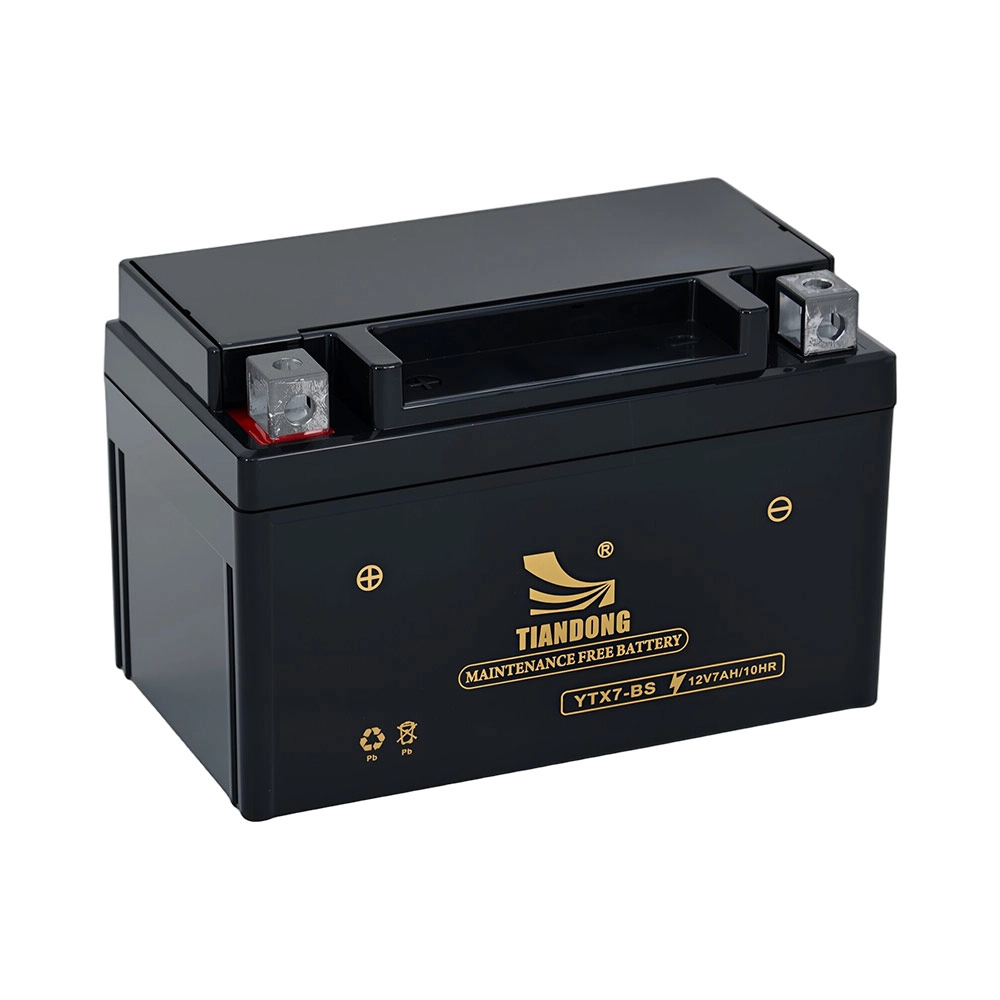
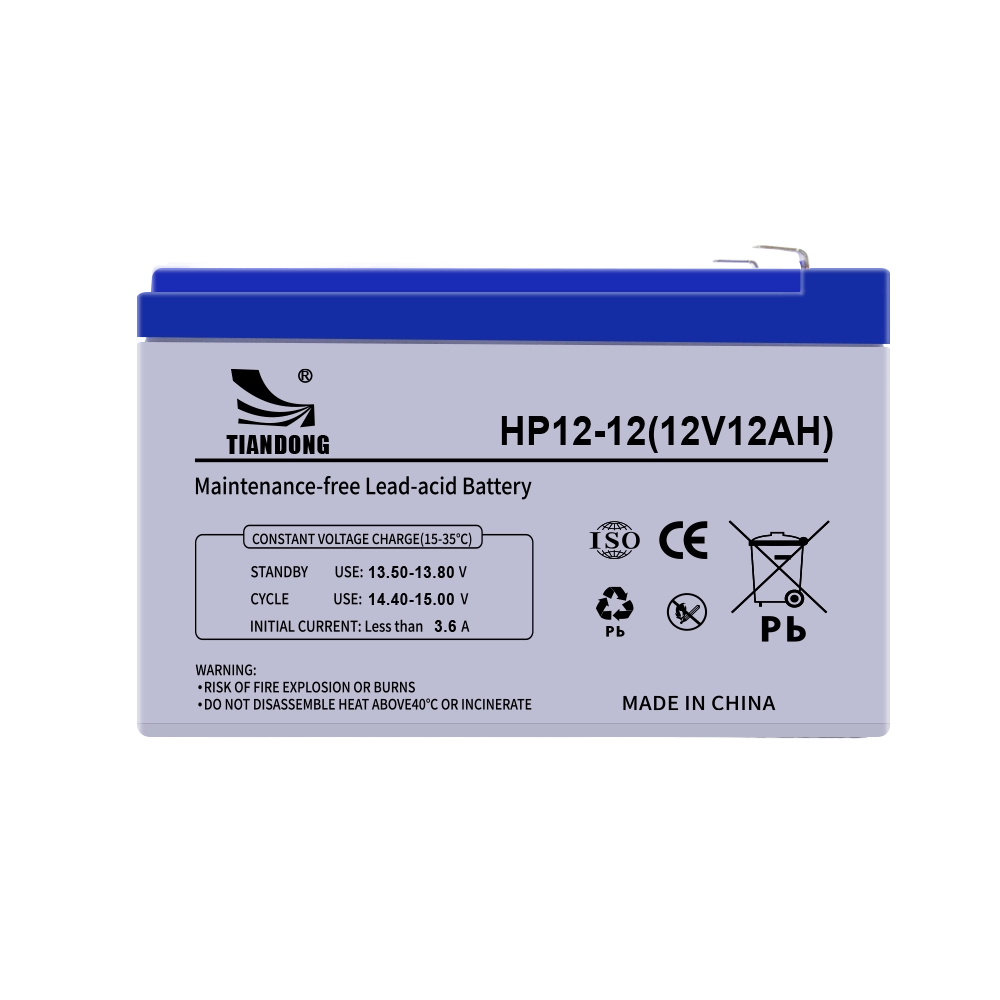
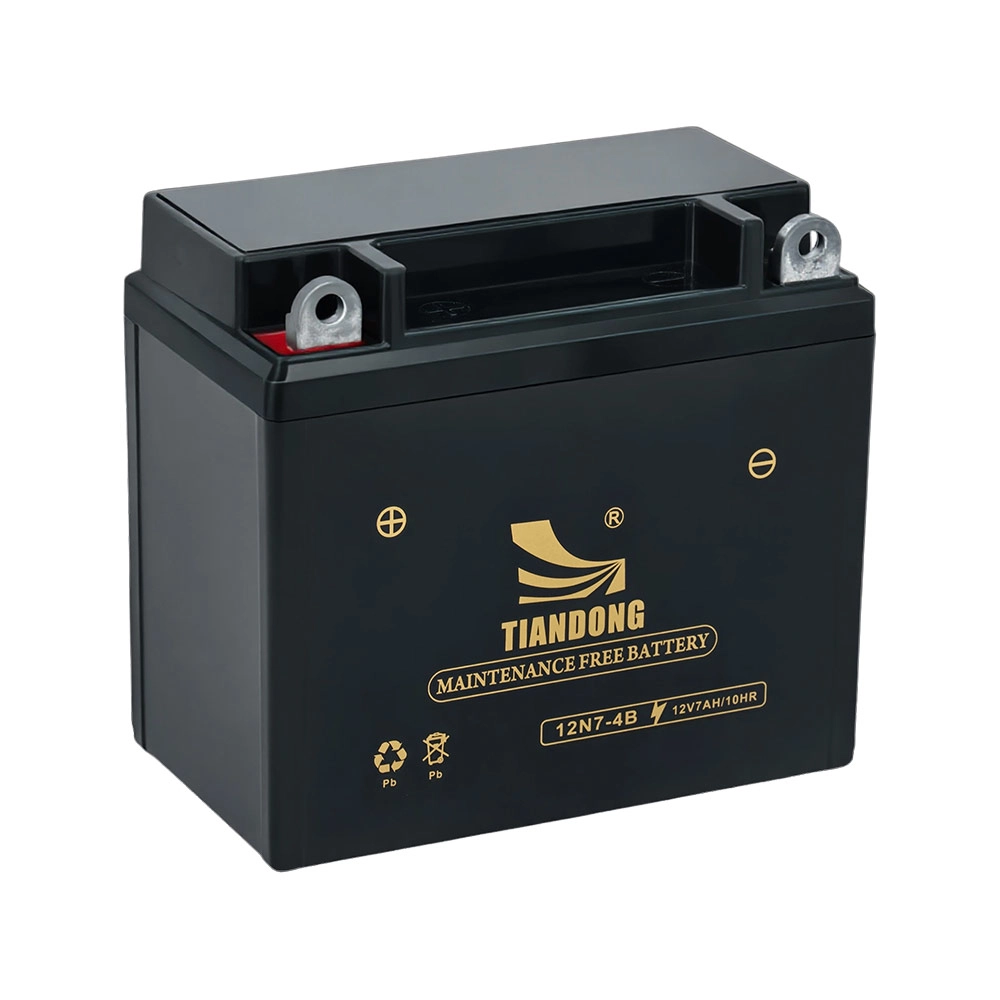
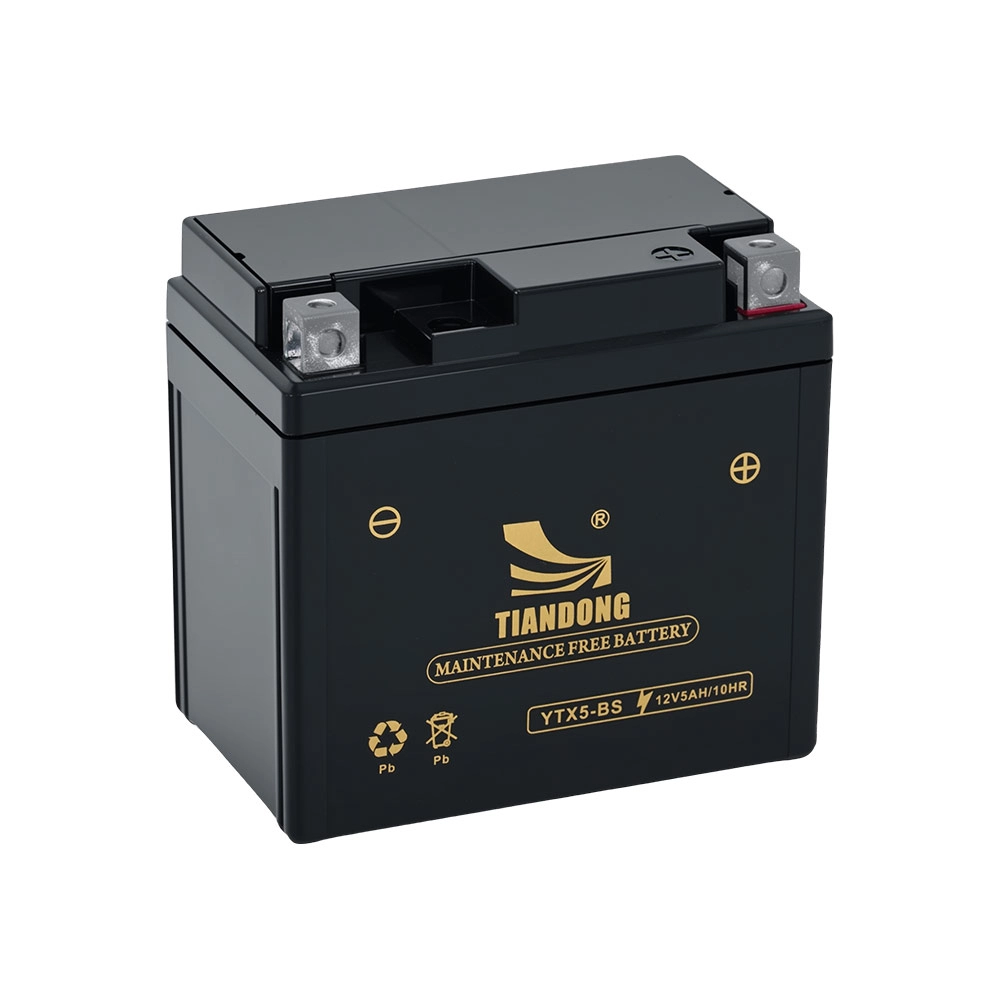
Tiandong's current motorcycle battery range includes Dry Charged Battery, Dry Charged MF Battery, Sealed Maintenance Free Battery, and GEL Battery categories. Inventory handling and technical requirements should be checked against the applicable product information rather than assuming one universal rule applies to every category. Current product options can be reviewed in the motorcycle battery range.
Track Receiving Date, Stock Age and Batch Information Where Available
- SKU / Product Model;
- Battery Category;
- Receiving Date;
- Batch / Lot Reference, where available;
- Stock Age;
- Product Condition;
- Saleable Status.
Tracking stock age helps identify batteries that should be reviewed before additional quantities of the same SKU are ordered. Batch or lot information should only be used where it genuinely exists; it should not be assumed that every product or supplier provides the same level of traceability.
For a broader supply-chain traceability framework, the GS1 Global Traceability Standard explains how product identification can be managed at product, batch/lot, and more granular identification levels. This is an external reference framework and should not be interpreted as a claim that every Tiandong product or distributor system uses GS1 batch-level traceability.
Use Age- and Condition-Based Stock Rotation
Older saleable stock should generally be considered before newer stock, provided its condition and applicable product requirements remain acceptable.
FIFO — First In, First Out — can support stock rotation where appropriate. However, older batteries that are damaged, under inspection, or otherwise unsuitable should not be prioritized simply because they arrived first.
Separate Saleable Stock From Unavailable Inventory
Inventory status should be explicit. Only batteries genuinely available for sale should contribute to the Available-to-Sell figure.
Follow Product-Specific Storage and Maintenance Requirements
Motorcycle battery storage and maintenance requirements may differ by product and battery category. Distributors should follow applicable product-specific technical guidance rather than assuming one universal storage temperature, inspection interval, charging interval, storage duration, or shelf-life rule. A generic inventory-management article should not replace the technical instructions applicable to a particular battery.
Review Aging Inventory Before Replenishing
Is usable stock of the same SKU already aging?
If significant saleable inventory is already old or slow-moving, additional replenishment may increase overstock and aging risk. Motorcycle battery inventory aging should therefore be reviewed before the replenishment decision.
Set Replenishment Rules Without One Universal Formula
Motorcycle battery replenishment should combine demand, available inventory, open commitments, inbound supply, lead time, and uncertainty. It should not depend on one universal reorder point for every SKU.
Estimate Demand During Supplier Lead Time
Relevant inputs may include recent demand, committed demand not already included in the forecast, demand variability, seasonality, and known market changes. A simple historical average may be insufficient when demand is changing.
Account for Available-to-Sell Stock
A replenishment decision should not be based only on On-Hand inventory. A stronger input is Available-to-Sell Stock because it excludes batteries already committed, reserved, held, or otherwise unavailable.
Evaluate Confirmed Inbound Quantity by Status
| Inbound Status | How to Use It in Planning |
|---|---|
| Confirmed | Include the quantity reasonably expected to arrive within the required planning window. |
| Partial | Include only the portion whose quantity and timing are sufficiently confirmed. |
| Delayed | Include it only if the revised arrival date still meets the relevant inventory requirement. |
| At Risk | Do not rely on the full quantity until timing and quantity become sufficiently certain. |
Account for Lead-Time Variability and Supplier Reliability
Quoted lead time is only one replenishment input. Distributors should also monitor actual lead time, lead-time variation, delayed shipments, partial deliveries, backorders, and inbound reliability.
Add a Safety Allowance for Residual Uncertainty
The safety allowance should cover only residual demand or supply uncertainty that has not already been incorporated into the forecast or inbound assumptions.
For example, if a forecast already includes an explicit seasonal uplift, the same seasonal demand should not be added again through the safety allowance. There is also no universal motorcycle battery safety-stock percentage that should be applied to every market or SKU.
For additional supply-chain methodology, ASCM guidance on safety stock and variability discusses the role of safety stock in protecting against forecast error and fluctuations in demand and lead time. The appropriate allowance still needs to be determined from the distributor's own demand, service, and supply conditions.
Review MOQ and Supplier Constraints
Before converting the inventory requirement into an order, the distributor may need to confirm applicable MOQ, pack quantity, available SKU mix, packaging requirements, supply constraints, and logistics constraints where relevant.
Review Exceptions Before Finalizing Replenishment
- Promotions or One-Time Projects: temporary demand should not automatically become the new long-term forecast.
- New Dealers or Market Changes: a new region, dealer, or channel may make historical demand less representative.
- Replacement or Phase-Out Products: additional inventory may be inappropriate if a product is moving toward replacement or phase-out.
- Warranty or Claim-Driven Demand: abnormal replacement demand should not automatically be interpreted as normal market consumption.
- Supplier Delay or Backorder Risk: existing inbound supply may need to be reassessed when delivery timing changes.
Reorder Signal → Exception Review → Final Replenishment Action
A Practical Replenishment Planning Model
Replenishment Need = Expected Demand During Lead Time + Open Committed Demand Not Already Included in the Forecast + Residual Safety Allowance − Available-to-Sell Stock − Reliable Confirmed Inbound Quantity
This is a planning model, not a universal fixed reorder formula. The distributor still needs to define its assumptions using real demand, actual inventory data, reliable supply information, and applicable commercial constraints.
Balance Availability, Overstock Risk and Inventory Value
The objective of inventory management is not to ensure that every motorcycle battery SKU is always available in unlimited quantity. Too little inventory can create lost sales, dealer dissatisfaction, urgent purchasing, and service disruption. Too much inventory can create slow-moving stock, aging risk, unnecessary warehouse exposure, and excessive inventory value.
Avoid Overstocking Slow-Moving SKUs
A slow-moving motorcycle battery SKU may still serve a legitimate market requirement. That does not mean it should carry the same stock level as a fast-moving product.
Do Not Measure Inventory Only by Unit Count
Where reliable cost data exists, distributors may also review Inventory Value and Aged Inventory Value. If reliable cost data does not exist, financial conclusions should not be invented.
Monitor a Focused Set of Inventory and Replenishment KPIs
| KPI | What It Helps Measure |
|---|---|
| ATS Accuracy | How closely Available-to-Sell reflects usable physical inventory. |
| Stockout Frequency | How often demand goes unfulfilled because stock is unavailable. |
| Aged Stock Share | How much inventory is entering an internally defined aging-risk category. |
| Slow-Moving Stock Share | How much inventory is moving below the distributor's own expected rate. |
| Inventory Turns | How efficiently inventory moves relative to the distributor's own operating model. |
| Lead-Time Variance | How predictable actual replenishment timing is. |
Inventory KPIs should be interpreted against the distributor's own baseline, service requirements, product mix, and supply environment rather than arbitrary universal benchmarks.
Build a Motorcycle Battery Inventory Review Matrix
A practical inventory review matrix should support decisions without becoming a database-design exercise.
Core Inventory Review Matrix
| Field | Purpose |
|---|---|
| SKU / Product Model | Identifies the inventory item. |
| Stock Location | Shows where usable stock is held. |
| Available-to-Sell | Shows real saleable inventory. |
| Open Committed Demand | Shows confirmed demand still requiring supply. |
| Confirmed Inbound Quantity | Shows incoming supply that may offset the requirement. |
| Inbound Status | Confirmed / Partial / Delayed / At Risk. |
| Movement Class | Fast / Medium / Slow. |
| Stock Age | Supports aging review. |
| Supplier Lead Time | Supports replenishment timing. |
| Supply Reliability | Reflects actual replenishment uncertainty. |
| Stockout Risk | Indicates availability pressure. |
| Aging / Overstock Risk | Indicates excess-stock exposure. |
| Replenishment Action | Replenish / Maintain / Reduce Replenishment / Review / Pause Replenishment. |
Optional Advanced Fields
Where additional detail is useful, the distributor can also track On-Hand, Allocated / Reserved, Hold / Unavailable, Battery Category, Product Condition, Last Physical Count Date, Inventory Variance, Demand Variability, Seasonality, Inventory Value where reliable cost data exists, Transfer In / Out where multiple stock locations apply, and Revised ETA where inbound timing changes.
Make the Replenishment Decision
After demand, Available-to-Sell inventory, stock age, inbound reliability, and supply risk have been reviewed, the final inventory action should remain simple.
Replenish
Choose Replenish when identifiable demand exists, Available-to-Sell inventory is insufficient, reliable inbound is insufficient, current stock age does not create an unacceptable replenishment risk, and supplier timing supports the requirement.
Maintain
Choose Maintain when current Available-to-Sell inventory and reliable inbound are sufficient for the expected requirement and no additional supply action is currently needed. Maintain describes a replenishment decision, while Hold / Unavailable describes an inventory status.
Reduce Replenishment
Choose Reduce Replenishment when future supply should be reduced so existing inventory can be consumed first, such as when inventory is aging, movement has weakened, reliable inbound is already sufficient, or overstock risk is increasing.
Review
Choose Review when the information is not reliable enough to support a clear replenishment decision because of inventory variance, uncertain demand, unreliable inbound, unusual stock aging, or unclear replacement status.
Pause Replenishment
Choose Pause Replenishment when new supply should temporarily stop while the SKU is investigated further because of significant aging risk, deteriorating demand, replacement concerns, or uncertain future assortment relevance.
Pause Replenishment does not automatically mean Remove the SKU. If the question becomes whether the SKU should continue to be carried at all, the issue should be escalated to a separate assortment review.
Motorcycle Battery Inventory Management Checklist
- Demand — What real and committed demand still needs to be covered?
- Available-to-Sell — What inventory is actually available to sell?
- Inbound — What quantity can reliably arrive within the required planning window?
- Age and Condition — Is current saleable inventory aging or otherwise at risk?
- Movement and Demand Pattern — How quickly and predictably is the SKU moving?
- Supply Reliability — How predictable is actual replenishment?
- Inventory Risk — Is stockout or overstock risk increasing?
- Action — Replenish, Maintain, Reduce Replenishment, Review, or Pause Replenishment?
Demand Evidence → Open Committed Demand → Inventory Accuracy → Available-to-Sell → Stock Location → Reliable Inbound → Stock Age and Condition → Movement → Demand Variability → Seasonality → Lead-Time Reliability → Inventory Risk → Replenishment Action
A good inventory decision is not simply: How many batteries are left? It is: What demand still needs to be covered, what usable inventory actually exists, what supply can reliably arrive, and what risk will the next replenishment decision create?
Once the requirement is clear, distributors can review Tiandong's motorcycle battery range and prepare the applicable product model, estimated quantity, destination, required timing, and packaging requirements.
Where branding or packaging is required, review Tiandong's OEM & ODM options.
Discuss Your Motorcycle Battery Supply Requirements: contact Tiandong with the target market, battery models or applications, estimated quantity, destination, required timing, and applicable packaging or private-label requirements.
Frequently Asked Questions
Should inbound motorcycle battery inventory be counted before it physically arrives?
Inbound inventory can be included in replenishment planning when its quantity and timing are sufficiently reliable, but it should not automatically be treated as if it were already available to sell. A confirmed shipment expected within the required planning window may offset part of the replenishment requirement. A partial shipment should contribute only its confirmed quantity. Delayed inbound should be considered only if the revised arrival date still meets the requirement, while supply classified as At Risk should not be relied on as fully available until its timing and quantity become sufficiently certain.
Should a distributor reorder a motorcycle battery SKU if another warehouse still has stock?
Not automatically. A multi-location distributor should first check whether the other location has genuine Available-to-Sell inventory and whether a stock transfer can reach the demand location within the required time. If existing usable stock can cover the shortage efficiently, transferring inventory may be more appropriate than creating a new purchase requirement. A new replenishment order becomes more relevant when network-wide Available-to-Sell inventory and reliable inbound remain insufficient.

YTX5-BS, YTX7-BS and YTX9-BS: Procurement Specifications and Variant Control

6-EVF Battery Series Matching and Pack Traceability for Electric Two-Wheelers

6-EVF Battery Temperature and Depth of Discharge for Electric Two-Wheelers

6-EVF Battery Charging and Charger Matching for Electric Two-Wheelers

6-EVF Battery Cycle Life for Electric Two-Wheelers

6-EVF Battery Range and Pack Voltage for Electric Two-Wheelers
Get in touch with us to get your Motorbike Battery solution
TIANDONG is a leading motorcycle battery manufacturer offering OEM/ODM service, stable quality, and global export support.
Built for wholesalers. Trusted by global buyers. Delivered with confidence.
Say Hello
E-mail: daisybattery8@gmail.com
xianyingchen83@gmail. com
WhatsAPP: +86 134 283 86694
+86 134 348 86641
Our Location
Social Links
© 2025 TIANDONG. All Rights Reserved. Privacy Policy | Terms and Conditions | Sitemap
 Scan QR Code
Facebook
Instagram
Scan QR Code
Whatsapp: +8613434886641