






Motive-Power Lead-Acid Batteries for Electric Two-Wheelers: B2B Selection
- Quick Answer
- Key Takeaways
- Separate motive power from starter-battery selection
- Map the vehicle and route before selecting a model
- Confirm pack architecture and electrical interfaces
- Check dimensional fit and service access
- Compare the 6-EVF candidates with controlled evidence
- Plan charging as part of the battery system
- Verified Product References
- TIANDONG 6-EVF-32 Electric Vehicle Battery
- TIANDONG 6-EVF-45 Electric Vehicle Battery
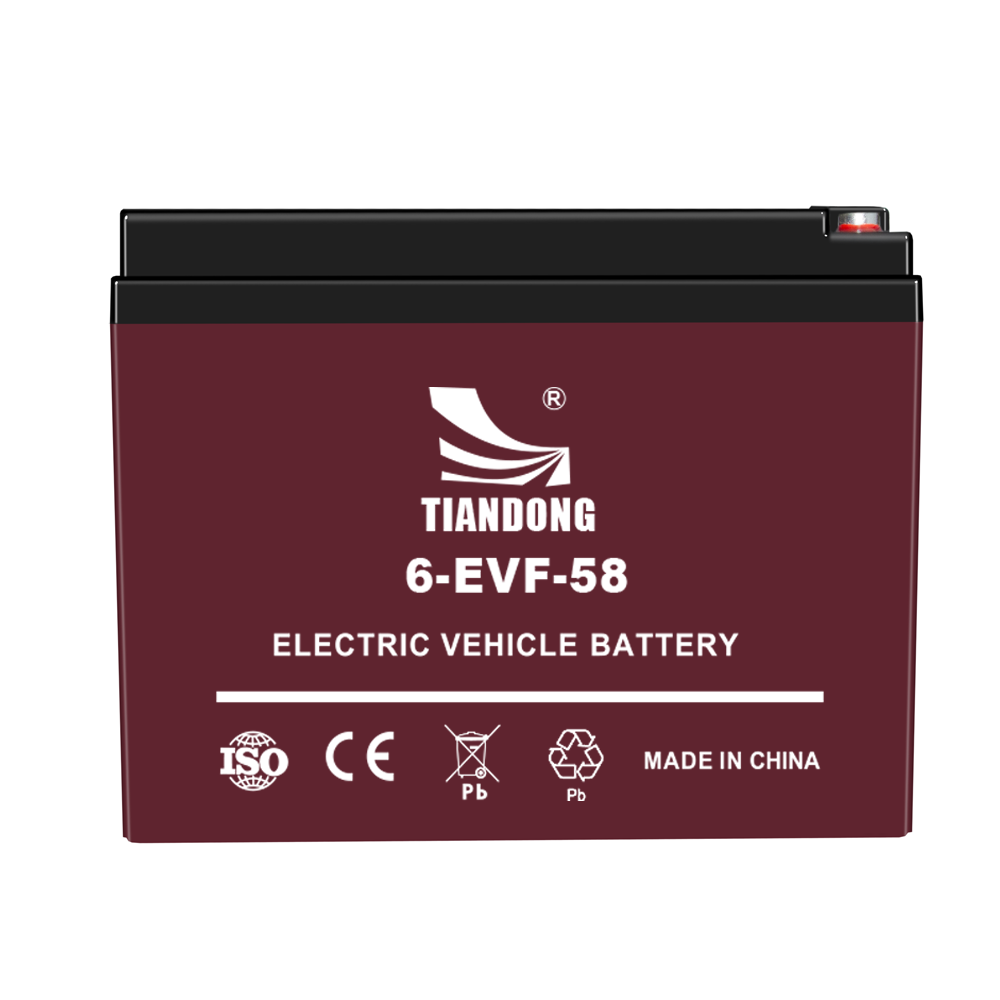
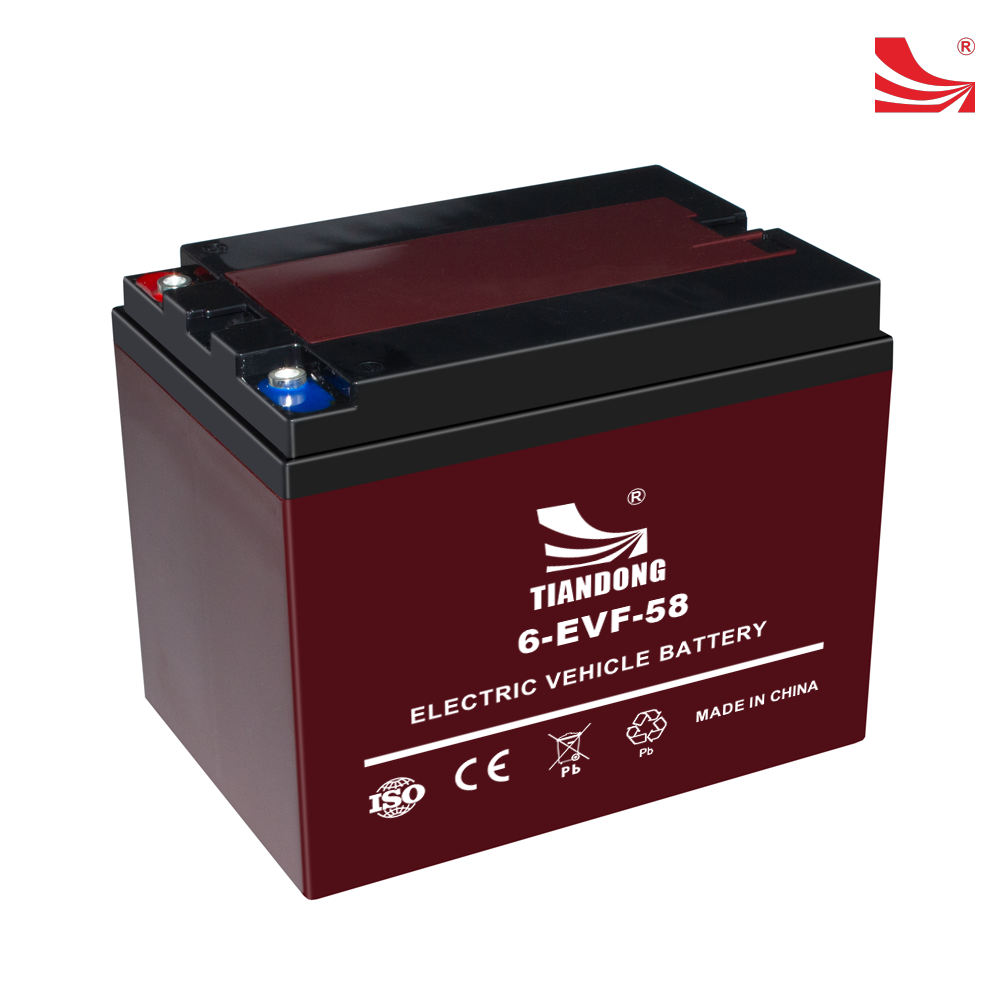
- TIANDONG 6-EVF-58 Electric Vehicle Battery
- Run sample approval under representative duty
- Define receiving inspection and batch controls
- Build an inventory and rotation plan
- Write an RFQ that suppliers can answer precisely
- Final RFQ and Handover Checklist
- Discuss Your Project with TIANDONG
- Motive-Power EV Battery FAQs
Quick Answer
For electric two-wheeler programs, start with the vehicle, duty cycle, pack voltage, battery-bay limits and charger strategy. Then compare verified candidate models, approve samples under representative use and lock the accepted configuration before volume ordering. TIANDONG currently lists 6-EVF-32, 6-EVF-45 and 6-EVF-58 electric-vehicle battery products; final capacity, dimensions and compatibility must be confirmed against the current datasheet and the buyer’s vehicle.
Key Takeaways
- Start from the project application and operating workflow.
- Use current product evidence and identify optional or unverified items.
- Approve representative samples before volume release.
- Keep a controlled specification, test record and change log.
Separate motive power from starter-battery selection
Define continuous propulsion duty instead of engine-start duty. In a professional motive-power battery program, this decision should be made before price comparison because it changes the product configuration, supporting accessories and the work expected from the supplier. The project team should collect vehicle type, motor system, route, payload and operating hours. Put these inputs in one controlled brief, name the person responsible for each item and mark anything that remains unknown. That discipline gives engineering, purchasing, installation and operations the same basis for discussion instead of allowing each team to work from a different assumption.
Verification should produce a written application profile and pack diagram. Review the result against the proposed production version, not a generic family description, marketing image or earlier sample. Record the model, configuration, date, reviewer and any deviation so a later order can be traced back to the approval decision. The main failure to avoid is treating every 12 V lead-acid battery as interchangeable. If the available evidence does not answer the project question, keep the item open, request clarification or run a representative test; do not convert an uncertainty into a product claim.
- Input: vehicle type, motor system, route, payload and operating hours
- Evidence: a written application profile and pack diagram
- Release gate: update the approved pack specification before purchase or deployment.
Map the vehicle and route before selecting a model
Translate use conditions into a repeatable procurement brief. In a professional motive-power battery program, this decision should be made before price comparison because it changes the product configuration, supporting accessories and the work expected from the supplier. The project team should collect grade, stop frequency, daily distance, ambient conditions and charging window. Put these inputs in one controlled brief, name the person responsible for each item and mark anything that remains unknown. That discipline gives engineering, purchasing, installation and operations the same basis for discussion instead of allowing each team to work from a different assumption.
Verification should produce representative route trials and discharge records. Review the result against the proposed production version, not a generic family description, marketing image or earlier sample. Record the model, configuration, date, reviewer and any deviation so a later order can be traced back to the approval decision. The main failure to avoid is selecting only by a nominal capacity label. If the available evidence does not answer the project question, keep the item open, request clarification or run a representative test; do not convert an uncertainty into a product claim.
- Input: grade, stop frequency, daily distance, ambient conditions and charging window
- Evidence: representative route trials and discharge records
- Release gate: update the approved pack specification before purchase or deployment.
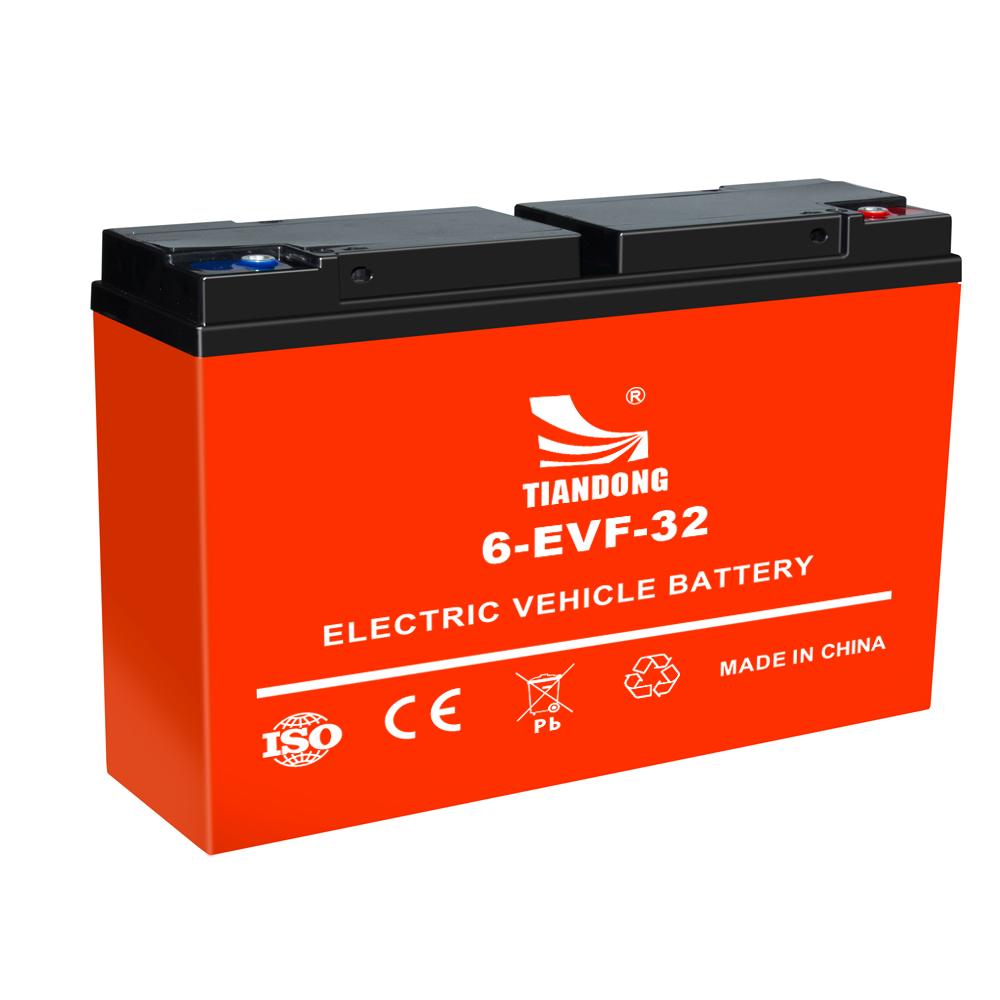
TIANDONG 6-EVF-32 electric vehicle battery side view
Confirm pack architecture and electrical interfaces
Document how individual batteries form the vehicle pack. In a professional motive-power battery program, this decision should be made before price comparison because it changes the product configuration, supporting accessories and the work expected from the supplier. The project team should collect series count, cable layout, terminals, polarity, protective devices and charger output. Put these inputs in one controlled brief, name the person responsible for each item and mark anything that remains unknown. That discipline gives engineering, purchasing, installation and operations the same basis for discussion instead of allowing each team to work from a different assumption.
Verification should produce pack-level voltage, connection and charging checks. Review the result against the proposed production version, not a generic family description, marketing image or earlier sample. Record the model, configuration, date, reviewer and any deviation so a later order can be traced back to the approval decision. The main failure to avoid is assuming a battery model proves charger compatibility. If the available evidence does not answer the project question, keep the item open, request clarification or run a representative test; do not convert an uncertainty into a product claim.
- Input: series count, cable layout, terminals, polarity, protective devices and charger output
- Evidence: pack-level voltage, connection and charging checks
- Release gate: update the approved pack specification before purchase or deployment.
Check dimensional fit and service access
Verify that the pack can be installed, restrained and serviced. In a professional motive-power battery program, this decision should be made before price comparison because it changes the product configuration, supporting accessories and the work expected from the supplier. The project team should collect battery-bay drawing, unit dimensions, terminal clearance and handling path. Put these inputs in one controlled brief, name the person responsible for each item and mark anything that remains unknown. That discipline gives engineering, purchasing, installation and operations the same basis for discussion instead of allowing each team to work from a different assumption.
Verification should produce fit-check photos, connector clearance and secure retention. Review the result against the proposed production version, not a generic family description, marketing image or earlier sample. Record the model, configuration, date, reviewer and any deviation so a later order can be traced back to the approval decision. The main failure to avoid is discovering interference during production assembly. If the available evidence does not answer the project question, keep the item open, request clarification or run a representative test; do not convert an uncertainty into a product claim.
- Input: battery-bay drawing, unit dimensions, terminal clearance and handling path
- Evidence: fit-check photos, connector clearance and secure retention
- Release gate: update the approved pack specification before purchase or deployment.
Compare the 6-EVF candidates with controlled evidence
Use 6-EVF-32, 6-EVF-45 and 6-EVF-58 as candidates, not automatic substitutes. In a professional motive-power battery program, this decision should be made before price comparison because it changes the product configuration, supporting accessories and the work expected from the supplier. The project team should collect current datasheets, labeled samples and application requirements. Put these inputs in one controlled brief, name the person responsible for each item and mark anything that remains unknown. That discipline gives engineering, purchasing, installation and operations the same basis for discussion instead of allowing each team to work from a different assumption.
Verification should produce side-by-side sample identification and controlled vehicle tests. Review the result against the proposed production version, not a generic family description, marketing image or earlier sample. Record the model, configuration, date, reviewer and any deviation so a later order can be traced back to the approval decision. The main failure to avoid is copying unverified values from a title or old quotation. If the available evidence does not answer the project question, keep the item open, request clarification or run a representative test; do not convert an uncertainty into a product claim.
- Input: current datasheets, labeled samples and application requirements
- Evidence: side-by-side sample identification and controlled vehicle tests
- Release gate: update the approved pack specification before purchase or deployment.
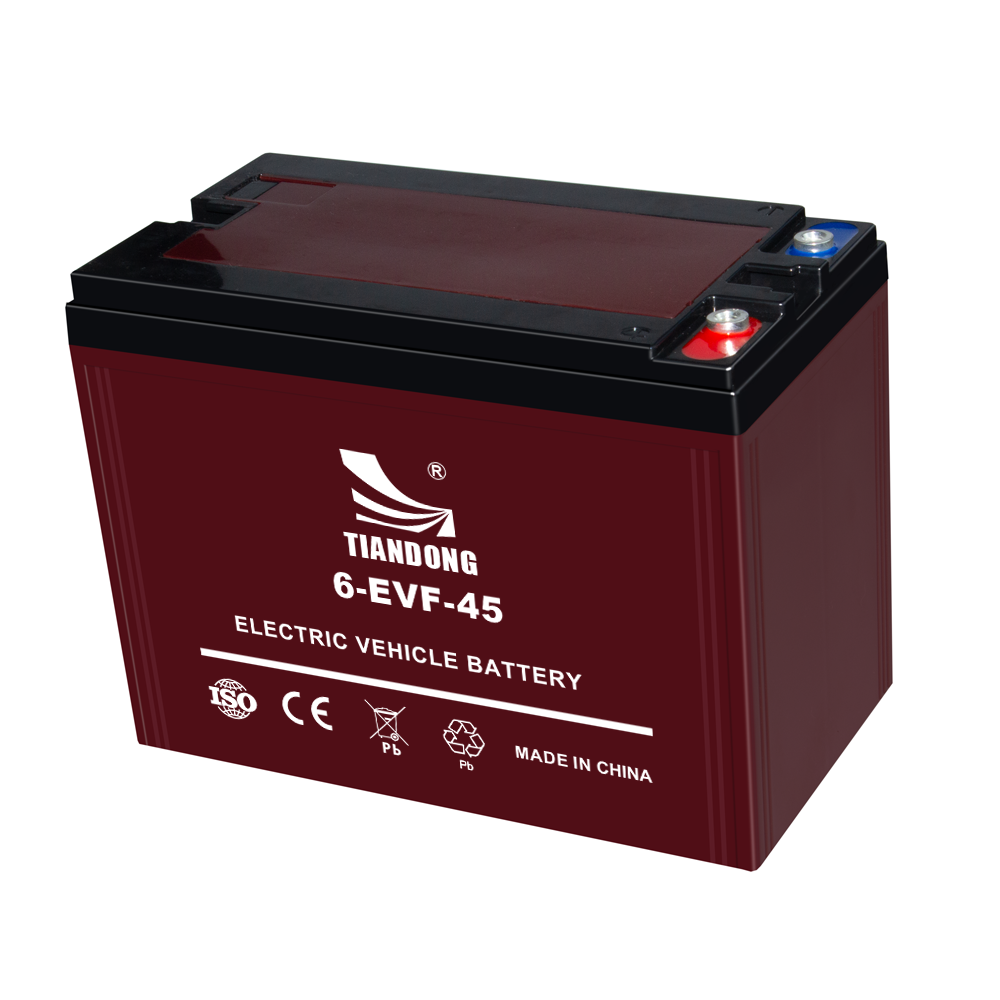
TIANDONG 6-EVF-45 motive-power battery side view
Plan charging as part of the battery system
Evaluate charger settings and operating schedule together with the pack. In a professional motive-power battery program, this decision should be made before price comparison because it changes the product configuration, supporting accessories and the work expected from the supplier. The project team should collect charger profile, charge time, temperature and user routine. Put these inputs in one controlled brief, name the person responsible for each item and mark anything that remains unknown. That discipline gives engineering, purchasing, installation and operations the same basis for discussion instead of allowing each team to work from a different assumption.
Verification should produce charge-cycle logs and end-of-charge observations. Review the result against the proposed production version, not a generic family description, marketing image or earlier sample. Record the model, configuration, date, reviewer and any deviation so a later order can be traced back to the approval decision. The main failure to avoid is treating the charger as a separate purchasing decision. If the available evidence does not answer the project question, keep the item open, request clarification or run a representative test; do not convert an uncertainty into a product claim.
- Input: charger profile, charge time, temperature and user routine
- Evidence: charge-cycle logs and end-of-charge observations
- Release gate: update the approved pack specification before purchase or deployment.
Verified Product References
The following product cards use current product URLs and images from TIANDONG. They are reference candidates for the project workflow; the final order still requires configuration-specific confirmation.
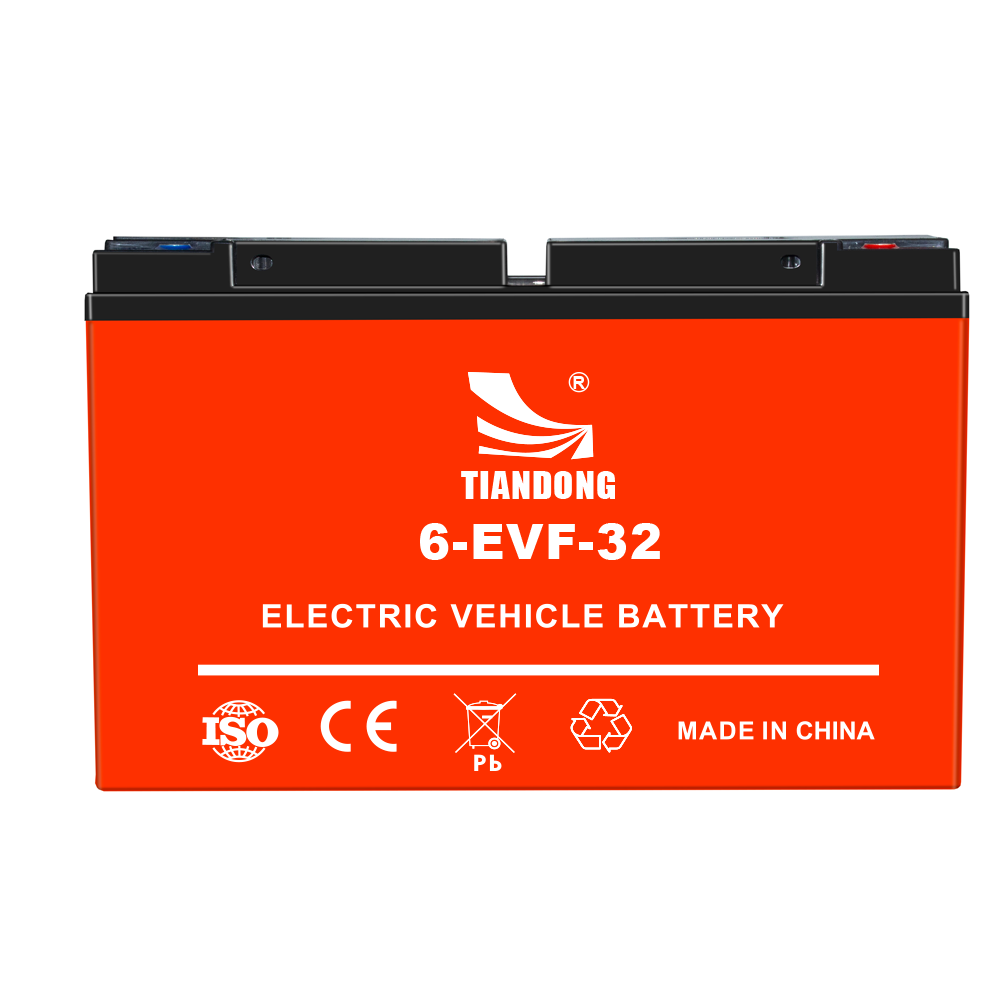
TIANDONG 6-EVF-32 Electric Vehicle Battery
Open the verified product page to review the current description, images and available configuration information before using this model in an RFQ.
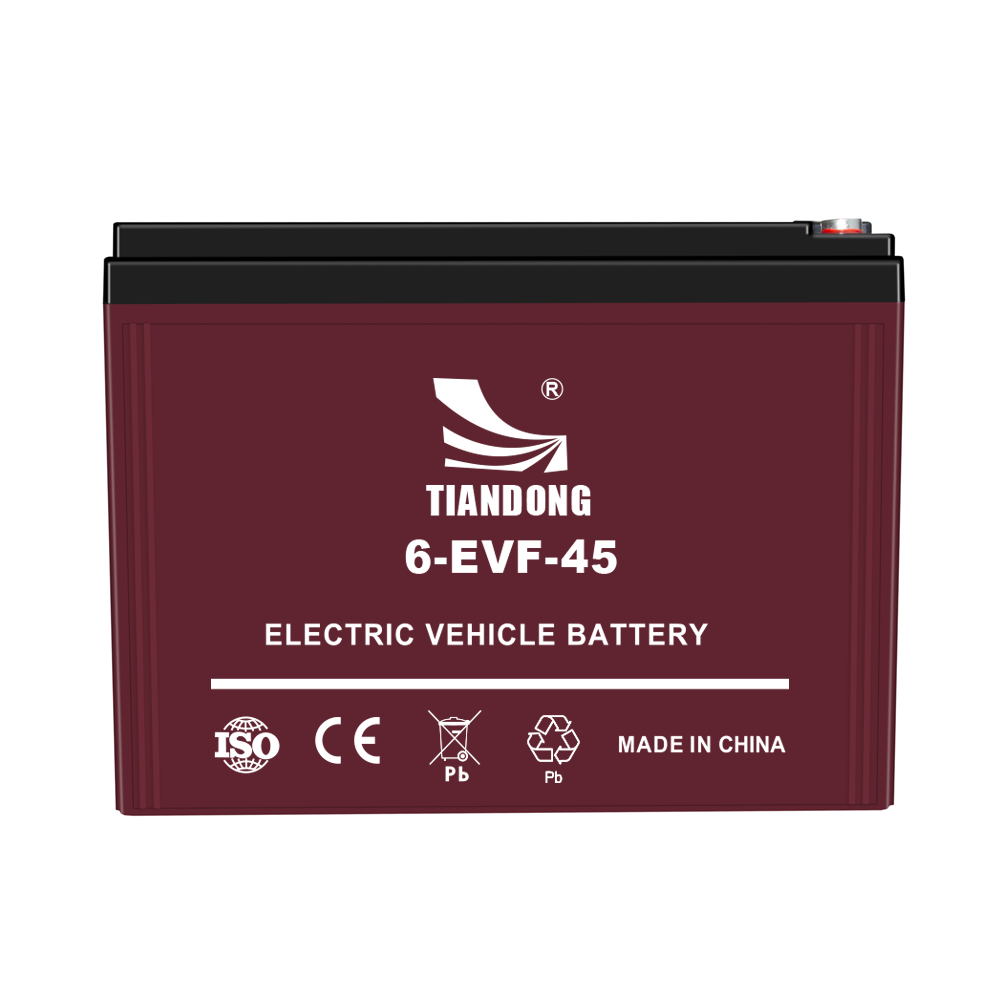
TIANDONG 6-EVF-45 Electric Vehicle Battery
Open the verified product page to review the current description, images and available configuration information before using this model in an RFQ.
TIANDONG 6-EVF-58 Electric Vehicle Battery
Open the verified product page to review the current description, images and available configuration information before using this model in an RFQ.
Run sample approval under representative duty
Test the exact proposed production configuration before locking an order. In a professional motive-power battery program, this decision should be made before price comparison because it changes the product configuration, supporting accessories and the work expected from the supplier. The project team should collect sample version, vehicle, rider load, route and acceptance criteria. Put these inputs in one controlled brief, name the person responsible for each item and mark anything that remains unknown. That discipline gives engineering, purchasing, installation and operations the same basis for discussion instead of allowing each team to work from a different assumption.
Verification should produce signed test record with serial or batch traceability. Review the result against the proposed production version, not a generic family description, marketing image or earlier sample. Record the model, configuration, date, reviewer and any deviation so a later order can be traced back to the approval decision. The main failure to avoid is approving a sample after only a bench voltage check. If the available evidence does not answer the project question, keep the item open, request clarification or run a representative test; do not convert an uncertainty into a product claim.
- Input: sample version, vehicle, rider load, route and acceptance criteria
- Evidence: signed test record with serial or batch traceability
- Release gate: update the approved pack specification before purchase or deployment.
Define receiving inspection and batch controls
Turn the approved sample into measurable incoming checks. In a professional motive-power battery program, this decision should be made before price comparison because it changes the product configuration, supporting accessories and the work expected from the supplier. The project team should collect labels, appearance, dimensions, terminals, open-circuit condition and quantity. Put these inputs in one controlled brief, name the person responsible for each item and mark anything that remains unknown. That discipline gives engineering, purchasing, installation and operations the same basis for discussion instead of allowing each team to work from a different assumption.
Verification should produce lot records, inspection photos and nonconformance handling. Review the result against the proposed production version, not a generic family description, marketing image or earlier sample. Record the model, configuration, date, reviewer and any deviation so a later order can be traced back to the approval decision. The main failure to avoid is receiving mixed or changed versions without detection. If the available evidence does not answer the project question, keep the item open, request clarification or run a representative test; do not convert an uncertainty into a product claim.
- Input: labels, appearance, dimensions, terminals, open-circuit condition and quantity
- Evidence: lot records, inspection photos and nonconformance handling
- Release gate: update the approved pack specification before purchase or deployment.
TIANDONG 6-EVF-58 electric two-wheeler battery side view
Build an inventory and rotation plan
Align ordering cadence with storage and distributor sell-through. In a professional motive-power battery program, this decision should be made before price comparison because it changes the product configuration, supporting accessories and the work expected from the supplier. The project team should collect forecast, batch size, storage conditions and first-in-first-out rules. Put these inputs in one controlled brief, name the person responsible for each item and mark anything that remains unknown. That discipline gives engineering, purchasing, installation and operations the same basis for discussion instead of allowing each team to work from a different assumption.
Verification should produce dated inventory records and periodic condition checks. Review the result against the proposed production version, not a generic family description, marketing image or earlier sample. Record the model, configuration, date, reviewer and any deviation so a later order can be traced back to the approval decision. The main failure to avoid is over-ordering slow-moving battery variants. If the available evidence does not answer the project question, keep the item open, request clarification or run a representative test; do not convert an uncertainty into a product claim.
- Input: forecast, batch size, storage conditions and first-in-first-out rules
- Evidence: dated inventory records and periodic condition checks
- Release gate: update the approved pack specification before purchase or deployment.
Write an RFQ that suppliers can answer precisely
Request evidence for the exact vehicle and pack rather than a generic price. In a professional motive-power battery program, this decision should be made before price comparison because it changes the product configuration, supporting accessories and the work expected from the supplier. The project team should collect application file, target models, quantity, sample plan and required documents. Put these inputs in one controlled brief, name the person responsible for each item and mark anything that remains unknown. That discipline gives engineering, purchasing, installation and operations the same basis for discussion instead of allowing each team to work from a different assumption.
Verification should produce a line-by-line supplier response and controlled change notice. Review the result against the proposed production version, not a generic family description, marketing image or earlier sample. Record the model, configuration, date, reviewer and any deviation so a later order can be traced back to the approval decision. The main failure to avoid is accepting vague equivalence or unapproved substitutions. If the available evidence does not answer the project question, keep the item open, request clarification or run a representative test; do not convert an uncertainty into a product claim.
- Input: application file, target models, quantity, sample plan and required documents
- Evidence: a line-by-line supplier response and controlled change notice
- Release gate: update the approved pack specification before purchase or deployment.
Final RFQ and Handover Checklist
| Control | Required record |
|---|---|
| Application | Site, use case, quantities and operating conditions |
| Configuration | Exact model, options, accessories and exclusions |
| Evidence | Drawings, datasheets, sample results and deviations |
| Release | Approved version, change owner and receiving criteria |
Discuss Your Project with TIANDONG
Share the application, quantities, drawings or site information available for your project. The next step is to compare those requirements with a current product configuration and agree on the evidence needed for sample approval and production release.
Motive-Power EV Battery FAQs
How is a motive-power lead-acid battery different from a starter battery?
A motive-power battery is designed for repeated energy delivery over operating cycles, while a starter battery is optimized for short, high-current engine-starting bursts. For an electric two-wheeler project, select the battery by the vehicle's traction duty, pack voltage, load, route, and charging profile rather than by case size alone.
Can 6-EVF-32, 6-EVF-45, and 6-EVF-58 batteries be used interchangeably?
Do not assume they are interchangeable. Confirm the exact datasheet for dimensions, rated capacity, terminal layout, weight, recommended charge settings, pack configuration, and the vehicle's battery-bay limits before approving a replacement.
What vehicle information is needed before selecting an EV battery?
Provide the nominal pack voltage, motor rating, controller limits, battery-bay dimensions, target range, typical payload, route gradient, daily operating hours, ambient conditions, charging window, charger details, and expected order quantity.
Does the same nominal voltage guarantee battery compatibility?
No. Batteries with the same nominal voltage can differ in capacity, dimensions, terminals, discharge capability, charging requirements, and cycle behavior. The complete battery pack and charger must be checked as a system.
How should a sample battery be approved for a fleet project?
Approve the exact proposed version after checking physical fit, terminal orientation, pack connections, charger compatibility, operating range under representative load, recharge time, and temperature behavior. Record the approved model and configuration for future batches.
What should a complete B2B battery RFQ include?
Include the vehicle type, pack voltage, target capacity or range, battery quantity per vehicle, annual volume, target battery models, operating environment, charger information, required documents, packaging, sample needs, delivery schedule, and change-control expectations.

YTX5-BS, YTX7-BS and YTX9-BS: Procurement Specifications and Variant Control

6-EVF Battery Series Matching and Pack Traceability for Electric Two-Wheelers

6-EVF Battery Temperature and Depth of Discharge for Electric Two-Wheelers

6-EVF Battery Charging and Charger Matching for Electric Two-Wheelers

6-EVF Battery Cycle Life for Electric Two-Wheelers

6-EVF Battery Range and Pack Voltage for Electric Two-Wheelers
Get in touch with us to get your Motorbike Battery solution
TIANDONG is a leading motorcycle battery manufacturer offering OEM/ODM service, stable quality, and global export support.
Built for wholesalers. Trusted by global buyers. Delivered with confidence.
Say Hello
E-mail: daisybattery8@gmail.com
xianyingchen83@gmail. com
WhatsAPP: +86 134 283 86694
+86 134 348 86641
Our Location
Social Links
© 2025 TIANDONG. All Rights Reserved. Privacy Policy | Terms and Conditions | Sitemap
 Scan QR Code
Facebook
Instagram
Scan QR Code
Whatsapp: +8613434886641