






Motorcycle Battery Distributor Guide: SKU Planning, Inventory, Ordering and After-Sales
- What Does a Motorcycle Battery Distributor Need to Manage?
- How to Build the Right Motorcycle Battery SKU Portfolio
- Map Local Motorcycle and Replacement Demand
- Build a Motorcycle Battery Fitment and SKU Matrix
- Govern Fitment Data, Not Just Store It
- Classify Core, Growth, and Long-Tail SKUs
- Manage the SKU Lifecycle
- How to Build the Right Motorcycle Battery Inventory Position
- Separate Fast-, Medium-, and Slow-Moving SKUs
- Distinguish Demand From Recorded Sales
- Balance Fitment Coverage With Working Capital
- Manage Battery Age and Stock Rotation
- Separate On-Hand Stock From Available Stock
- How to Replenish Motorcycle Battery Inventory
- Use Demand, Available Stock, and Lead Time Together
- Account for Supplier Reliability
- Review Exceptions Before Reordering
- Use Dealer and Warranty Information as Demand Signals
- How to Plan Motorcycle Battery Purchase Orders and Distribution Economics
- Separate First, Trial, and Repeat Orders
- Prepare a Clear Motorcycle Battery RFQ
- Confirm MOQ, Mixed-SKU, and Packaging Conditions
- Evaluate Total Landed Cost
- Balance Margin, Turnover, and Working Capital
- Use Manufacturing Evidence When Evaluating Repeat Supply
- Consider OEM and Private Label Only When Relevant
- Confirm Market and Shipping Documentation
- How to Receive and Trace Motorcycle Battery Inventory
- Verify SKU, Quantity, and Packaging
- Record Product and Shipment Identification
- Handle Receiving Exceptions Before Stock Release
- How to Build an After-Sales and Warranty Feedback Loop
- Collect Enough Information to Investigate a Claim
- Separate Product Issues From Fitment and Application Problems
- Trace Claims Back to Product and Purchasing Records
- Turn Warranty Data Into a Purchasing Decision
- Motorcycle Battery Distributor Decision Checklist
- Frequently Asked Questions
- How often should motorcycle battery fitment data be updated?
- What information should a distributor prepare before requesting a motorcycle battery quotation?
- What records are useful for motorcycle battery warranty traceability?
- Build a Better Distribution System, Not Simply a Bigger Stock List
What Does a Motorcycle Battery Distributor Need to Manage?
A motorcycle battery distributor converts a large number of motorcycle applications into a manageable product and inventory system.
That requires coordinated decisions across several areas:
- market and replacement demand;
- motorcycle battery fitment;
- SKU coverage;
- available inventory;
- stock age and condition;
- replenishment timing;
- supplier lead time and reliability;
- MOQ and order configuration;
- landed cost;
- receiving and product identification;
- after-sales and warranty data.
These decisions are connected. Increasing SKU coverage may improve availability, but it also increases inventory investment. A lower unit price may look attractive until MOQ, freight, inventory carrying cost, and after-sales exposure are included. A high-selling SKU may appear to need immediate replenishment even though a replacement model is about to supersede it.
The objective is to build a repeatable decision system rather than optimize one number in isolation.
How to Build the Right Motorcycle Battery SKU Portfolio
A distributor should build its motorcycle battery portfolio from actual market requirements rather than simply stocking as many supplier models as possible.
Map Local Motorcycle and Replacement Demand
Start with the applications the market needs. Useful demand signals include:
- historical sales;
- dealer and workshop enquiries;
- common motorcycle applications;
- replacement demand;
- repeated special orders;
- stockout enquiries and lost sales;
- seasonal or regional changes.
Recorded sales are only part of the picture. A model that was never stocked may show zero sales even though customers repeatedly requested it. Conversely, a one-time project can temporarily make a normally low-demand SKU appear important. A better planning question is: Which applications generate enough confirmed or unmet demand to justify inventory?
Build a Motorcycle Battery Fitment and SKU Matrix
Fitment accuracy should be treated as inventory data. Voltage alone does not determine compatibility. Depending on the application, a distributor may also need to verify capacity, physical dimensions, terminal position, polarity, starting requirement, and confirmed motorcycle application.
| Field | Distributor Use |
|---|---|
| Supplier model | Identifies the supplier product |
| Distributor SKU | Links the battery to the internal inventory system |
| Product category | Groups the product within the portfolio |
| Voltage | Confirms basic electrical requirement |
| Capacity / Ah | Supports application matching |
| CCA / starting requirement | Used where relevant |
| Dimensions | Confirms physical fit |
| Terminal layout | Helps prevent installation mismatch |
| Polarity | Supports correct installation |
| Motorcycle application | Connects the product to intended use |
| Fitment reference | Records compatible motorcycles |
| Cross-reference | Records replacement relationships |
| Packaging | Supports purchasing and warehouse planning |
| SKU status | Active, replacement, controlled, or discontinued |
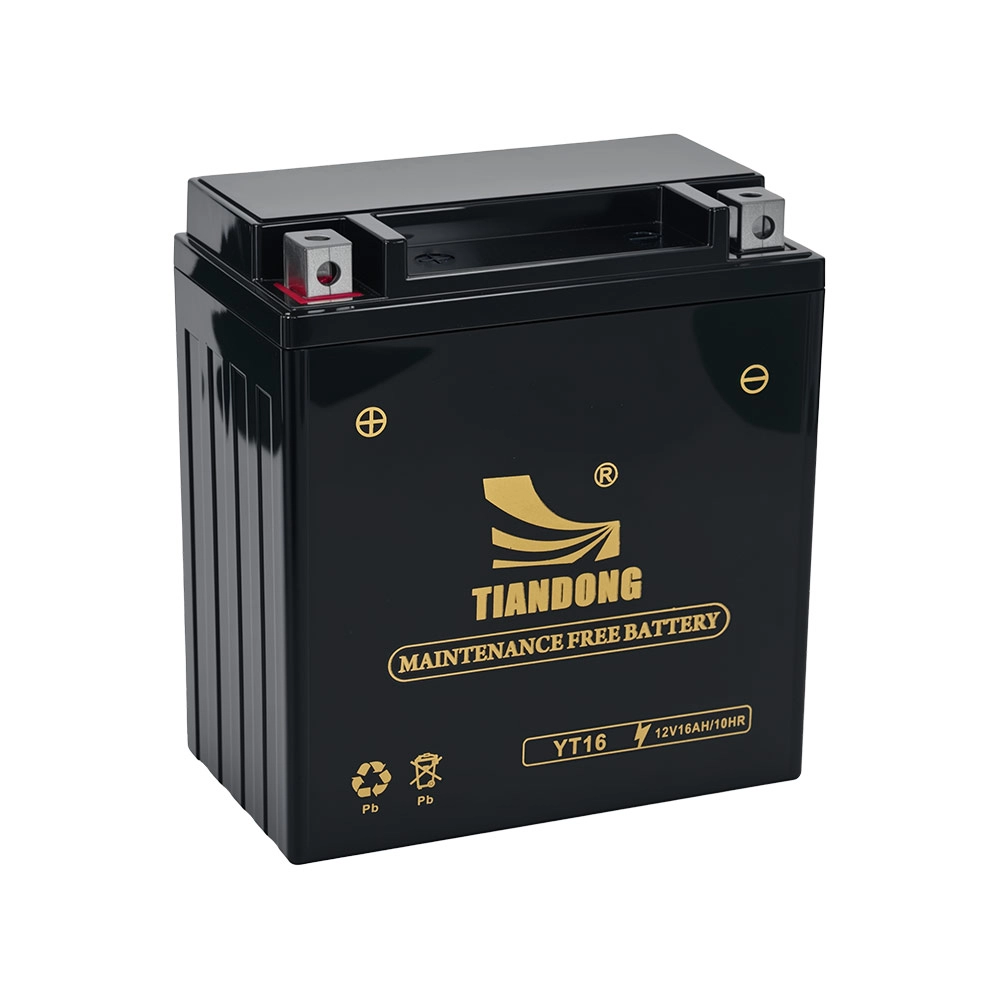
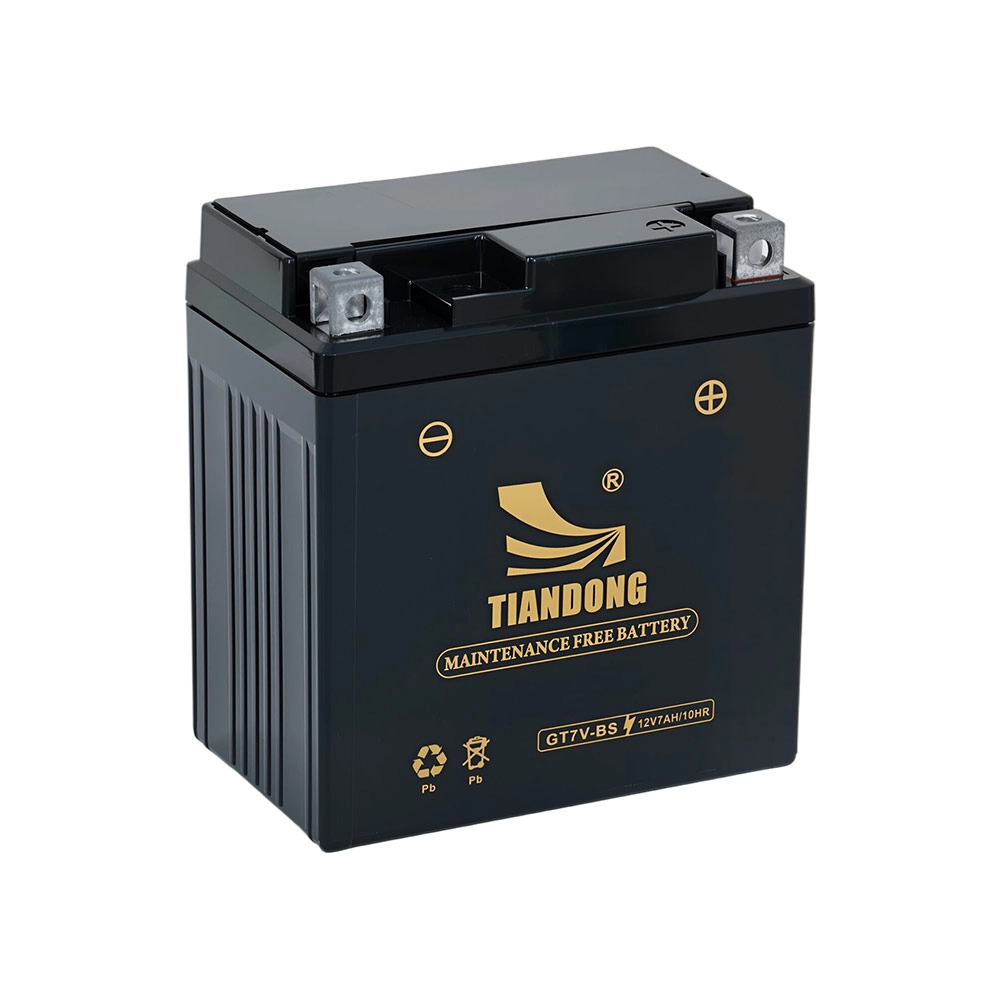
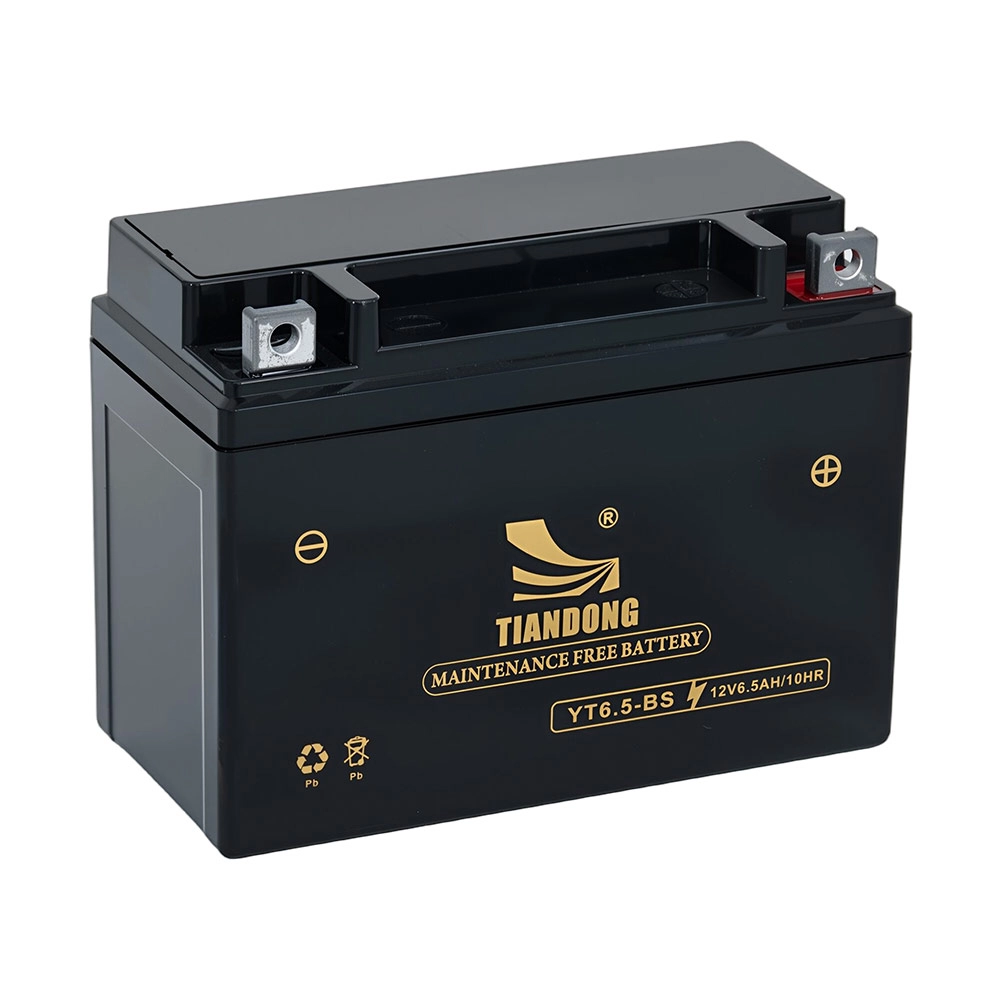
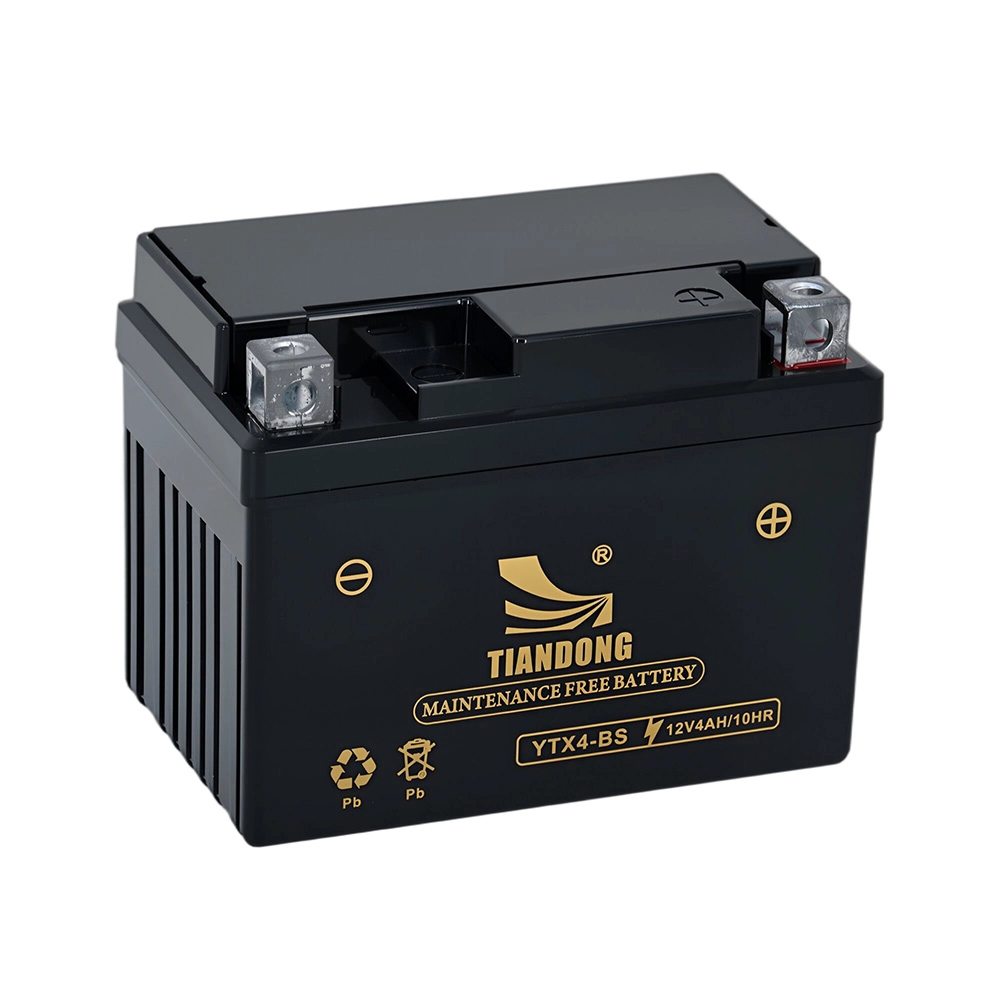
Tiandong's motorcycle battery portfolio currently includes Dry Charged Battery, Dry Charged MF Battery, Sealed Maintenance Free Battery, and GEL Battery.
These categories are useful for organizing the product range, but distributors should still evaluate the technical requirements of the individual product and application rather than relying on the category name alone. Current product options can be reviewed in the Motorcycle Battery range.
Govern Fitment Data, Not Just Store It
A large fitment spreadsheet is only useful if the information remains controlled. For each fitment relationship, consider maintaining data source, verification status, last verified date, revision, replacement relationship, and correction history.
| Status | Meaning |
|---|---|
| Verified | Supported by confirmed technical or application information |
| Pending Verification | Potential match that should not yet be treated as confirmed |
| Superseded | Replaced by another verified SKU |
| Do Not Use | Known obsolete or incorrect reference |
If two fitment sources conflict, do not resolve the difference by guessing. Return to verifiable technical information, confirm the relevant application, and update the record only after the relationship is supported.
Classify Core, Growth, and Long-Tail SKUs
Core SKUs cover frequent or strategically important applications and normally justify regular stock.
Growth SKUs serve applications with rising demand or enough enquiries to justify controlled inventory expansion.
Long-tail SKUs cover low-frequency applications and may be better managed through limited stock or special ordering where supplier terms allow.
The goal is not maximum SKU breadth. It is useful market coverage with an acceptable inventory burden.
Manage the SKU Lifecycle
Every motorcycle battery SKU should be reviewed over time. A useful lifecycle is Introduce → Validate → Stock → Review → Reduce → Replace or Discontinue.
- demand changes materially;
- a replacement product becomes available;
- a model remains slow-moving;
- new fitment information is confirmed;
- several SKUs overlap excessively;
- the application is becoming obsolete.
How to Build the Right Motorcycle Battery Inventory Position
Once the portfolio is defined, the next question is how much of each SKU to hold. Inventory planning has to balance product availability with cash, storage, battery age, and replenishment flexibility.
Separate Fast-, Medium-, and Slow-Moving SKUs
Useful indicators include sell-through, order frequency, dealer demand, stockout history, inventory age, and repeat-order patterns.
Avoid using one universal threshold for every market. A fast-moving SKU in one region may be a low-frequency product elsewhere.
Distinguish Demand From Recorded Sales
Sales history shows what customers purchased. It does not show every sale the distributor could have made. Inventory planning should also consider lost sales, stockout enquiries, special-order requests, dealer requests, substitution activity, and warranty replacement demand.
For example, a SKU with relatively low recorded sales but frequent stockout enquiries may be understocked rather than low-demand.
Balance Fitment Coverage With Working Capital
Each additional stocked SKU can improve application coverage, but every SKU also ties up cash. The distributor has to balance application coverage, inventory investment, and aging risk.
SKU decisions should consider demand frequency, MOQ, expected holding time, margin, supplier replenishment flexibility, and the risk of aging inventory.
Manage Battery Age and Stock Rotation
Battery inventory should be managed by age as well as quantity. Useful records can include receiving date, SKU, product or batch identifier where available, stock age, and allocation status.
Storage and maintenance requirements should follow the technical guidance for the specific battery product. Storage temperature, inspection intervals, charging requirements, and other limits should not be generalized across every motorcycle battery type.
Separate On-Hand Stock From Available Stock
Physical stock is not always sellable stock. Inventory may already be allocated to dealer orders, reserved for customers, held for approved replacements, under inspection, damaged, or otherwise unavailable.
For replenishment planning, on-hand stock is not the same as available-to-sell stock.
How to Replenish Motorcycle Battery Inventory
Replenishment answers two questions: When should the distributor reorder? and How much should the distributor buy?
Use Demand, Available Stock, and Lead Time Together
A basic reorder-point model considers expected demand during supplier lead time together with an appropriate safety-stock allowance. The actual decision should also consider available stock, inbound purchase orders, demand variability, MOQ, supplier lead-time reliability, and reserved inventory.
Account for Supplier Reliability
- Lead-time consistency: Does actual delivery remain reasonably predictable?
- Fill rate: Does the supplier normally deliver the ordered quantity?
- Backorders: Are important SKUs frequently unavailable?
Supply uncertainty may require additional inventory protection, but higher safety stock also increases working capital and aging exposure. The right response is to decide how much uncertainty the distributor is willing to absorb through inventory.
Review Exceptions Before Reordering
Before repeating a previous purchase quantity, check for one-time projects, promotional demand, newly onboarded dealers, replacement SKUs, obsolete applications, abnormal warranty activity, and temporary supply disruptions.
Use Dealer and Warranty Information as Demand Signals
Repeated dealer enquiries may reveal a missing core SKU, frequent special orders may justify regular inventory, warranty replacements may temporarily inflate apparent demand, and repeated fitment complaints may reveal a data problem rather than an inventory shortage.
How to Plan Motorcycle Battery Purchase Orders and Distribution Economics
A reorder recommendation only becomes useful when it can be translated into a commercially workable purchase order.
Separate First, Trial, and Repeat Orders
A first order is often used to evaluate specification consistency, packaging, supplier execution, logistics, dealer response, and product-market fit.
For new-brand testing, Tiandong states that flexible MOQ arrangements may be available for new clients. Actual MOQ should be confirmed for the selected SKU, packaging, and customization requirements.
For applicable OEM/ODM projects, Tiandong's customization workflow indicates a sample-to-shipment target of under 20 days. Project-specific timing should still be confirmed during RFQ because product specifications, packaging, and order complexity can change the schedule.
Prepare a Clear Motorcycle Battery RFQ
- required models or applications;
- relevant technical specifications;
- quantity;
- target market;
- packaging requirements;
- branding requirements where applicable;
- destination;
- expected order schedule.
Confirm MOQ, Mixed-SKU, and Packaging Conditions
MOQ directly affects SKU breadth, inventory investment, working capital, warehouse utilization, and replenishment flexibility.
Tiandong supports flexible MOQ arrangements for new clients, but actual minimum quantities and mixed-SKU conditions should be confirmed for the specific products and order configuration. A lower unit price is not necessarily more economical if the required MOQ creates excessive slow-moving inventory.
Evaluate Total Landed Cost
- product cost;
- packaging;
- freight;
- insurance;
- duties and taxes;
- inspection or handling;
- inventory carrying cost;
- expected after-sales cost.
Balance Margin, Turnover, and Working Capital
| Situation | Demand | Lead Time | Inventory Risk | Possible Approach |
|---|---|---|---|---|
| High margin, low demand | Low | Short | High aging risk | Controlled stock |
| Moderate margin, stable demand | High | Predictable | Lower | Core-stock candidate |
| Irregular demand, long replenishment | Irregular | Long | Medium-high | Review carefully |
The key question is not only what margin a SKU can earn, but whether the return justifies the cash and inventory risk tied up in it.
Use Manufacturing Evidence When Evaluating Repeat Supply
Founded in 2007, Tiandong focuses on motorcycle battery R&D, manufacturing, and trade. Its manufacturing base covers about 200 acres with approximately 121,800 square meters of building area. Annual output is approximately 6 million high-energy motorcycle batteries, together with approximately 15,000 tons of electrode-plate production. More company information is available on the About Us page.
More important than factory size alone is process control. Tiandong's in-house production covers major stages from electrode-plate manufacturing through final assembly. Its manufacturing workflow includes processes such as short-circuit detection, charging, capacity detection, product coding, packaging, and shipment preparation. For distributors, these capabilities can support discussions around repeat-order consistency, QC, product identification, and supply planning.
Consider OEM and Private Label Only When Relevant
Tiandong's OEM/ODM capabilities include logo printing on the case or lid, color and label customization, voltage and capacity customization, terminal options, CCA adjustment where applicable, retail boxes, bulk pallets, and export-ready packaging.
Technical specification changes should be managed separately from branding and packaging changes because they create different purchasing and inventory implications. Distributors considering customized products can review the OEM & ODM options.
Confirm Market and Shipping Documentation
International distributors should confirm documentation for the exact product, destination market, and transport route. Depending on the selected product and market, supporting documentation may include CE/RoHS-related compliance information and MSDS documentation.
For EU-market projects, buyers should review the applicable requirements in the EU Batteries Regulation (EU) 2023/1542. For dangerous-goods transport classification, packaging, marking, labelling, and documentation, logistics teams should also consult the UN Recommendations on the Transport of Dangerous Goods – Model Regulations, Rev.24.
Before ordering, confirm applicable product documentation, destination-market requirements, transport documentation, labels and packaging, applicable testing or certification, and import requirements.
Tiandong exports to more than 20 countries, including markets such as Vietnam, India, Egypt, and Thailand. Certificate-related information can be reviewed on the Certificate page.
How to Receive and Trace Motorcycle Battery Inventory
Inventory control continues when the shipment arrives. Receiving is the point where purchase-order data becomes warehouse stock.
Verify SKU, Quantity, and Packaging
Connect Purchase Order → Packing Information → Physical Inventory and check the model, quantity, label, packaging, visible shipping damage, and order consistency.
Record Product and Shipment Identification
Useful records can include purchase order, shipment reference, receiving date, SKU, quantity, product code, and batch or production identifier where available.
Tiandong's manufacturing workflow includes a product-coding stage, together with short-circuit detection and capacity detection. For projects requiring batch-level traceability, distributors should confirm what information the applicable product code contains and which production or shipment records can be provided.
Handle Receiving Exceptions Before Stock Release
Typical receiving exceptions may include wrong SKUs, quantity shortages, damaged packaging, label mismatches, and documentation mismatches. Isolating these exceptions before stock release prevents purchasing or shipping discrepancies from becoming inventory-data problems.
How to Build an After-Sales and Warranty Feedback Loop
After-sales data should not remain separate from inventory and purchasing. For a motorcycle battery distributor, claim information can reveal patterns involving fitment, installation, storage, motorcycle charging-system conditions, product identification, specific shipments, and possible product issues.
Collect Enough Information to Investigate a Claim
A useful claim record may include product model or SKU, product identification, batch information where available, distributor purchase record, dealer or customer sales record, motorcycle application, failure description, test information, and relevant photographs.
Actual claim requirements and approved remedies should follow the applicable warranty terms for the product.
Separate Product Issues From Fitment and Application Problems
A returned battery should not automatically be recorded as a manufacturing defect. Possible causes can include incorrect fitment, installation, storage conditions, motorcycle charging-system conditions, operating conditions, and potential product-related issues.
Trace Claims Back to Product and Purchasing Records
A useful investigation path is Claim → SKU / Product Identification → Batch or Shipment Information → Purchase Record.
- Are complaints concentrated in one application?
- Are several claims linked to one SKU?
- Are they associated with one shipment or identifier?
- Is a fitment reference creating repeated problems?
- Is the pattern strong enough to justify changing the next order?
Turn Warranty Data Into a Purchasing Decision
Possible actions include correcting fitment information, changing the stock level of a SKU, reviewing replacement relationships, changing dealer guidance, discussing repeated issues with the supplier, and reconsidering whether the product remains core inventory.
Motorcycle Battery Distributor Decision Checklist
| Decision Area | Key Question | What to Review |
|---|---|---|
| Market | Is there confirmed replacement demand? | Sales, enquiries, lost sales |
| Fitment | Is the application current and verified? | Source, status, revision |
| SKU | Should this be core, growth, or special order? | Coverage and demand |
| Inventory | Is stock healthy and available? | Allocation, aging, condition |
| Replenishment | Is it time to reorder? | Demand, available stock, inbound orders, lead time |
| Supply | Is replenishment predictable? | Lead-time consistency, fill rate, backorders |
| Economics | Is the SKU worth the capital commitment? | MOQ, landed cost, turnover, margin |
| Order | Are commercial terms clear? | Quantity, packaging, customization, schedule |
| Receiving | Did the correct products arrive? | SKU, quantity, packaging, identification |
| After-Sales | Is claim information changing future decisions? | Fitment patterns, claims, recurring issues |
A low MOQ is useful only if landed cost remains competitive. Broad SKU coverage is useful only if inventory turns. A fast supplier is useful only if the correct products can be supplied consistently.
Frequently Asked Questions
How often should motorcycle battery fitment data be updated?
Update fitment records whenever a new product, replacement SKU, application correction, or verified technical change affects the existing relationship. The key control is maintaining a visible source, verification status, and revision history rather than relying only on a fixed calendar interval.
What information should a distributor prepare before requesting a motorcycle battery quotation?
Prepare the required models or applications, relevant specifications, estimated quantities, target market, packaging or branding requirements, destination, and expected order schedule. This gives the supplier enough information to confirm product selection, MOQ, customization, documentation, and commercial terms.
What records are useful for motorcycle battery warranty traceability?
Useful records may include the SKU, product or batch identification where available, purchase order, receiving information, dealer or customer sales record, motorcycle application, claim description, relevant test information, photographs, and final claim result.
Build a Better Distribution System, Not Simply a Bigger Stock List
Effective motorcycle battery distribution depends on connecting fitment accuracy, inventory economics, disciplined replenishment, and after-sales feedback.
The best portfolio is not necessarily the one with the most SKUs. It is the one that provides reliable application coverage while keeping inventory, purchasing, and claim risk under control.
Distributors can start by reviewing the current Motorcycle Battery range and, where private-label or customized requirements are involved, the OEM & ODM options.
Ready to discuss a distributor project? Prepare the target market, required models or applications, estimated quantities, packaging or branding requirements, destination, and expected order schedule, then send the project requirements for product and commercial confirmation.

YTX5-BS, YTX7-BS and YTX9-BS: Procurement Specifications and Variant Control

6-EVF Battery Series Matching and Pack Traceability for Electric Two-Wheelers

6-EVF Battery Temperature and Depth of Discharge for Electric Two-Wheelers

6-EVF Battery Charging and Charger Matching for Electric Two-Wheelers

6-EVF Battery Cycle Life for Electric Two-Wheelers

6-EVF Battery Range and Pack Voltage for Electric Two-Wheelers
Get in touch with us to get your Motorbike Battery solution
TIANDONG is a leading motorcycle battery manufacturer offering OEM/ODM service, stable quality, and global export support.
Built for wholesalers. Trusted by global buyers. Delivered with confidence.
Say Hello
E-mail: daisybattery8@gmail.com
xianyingchen83@gmail. com
WhatsAPP: +86 134 283 86694
+86 134 348 86641
Our Location
Social Links
© 2025 TIANDONG. All Rights Reserved. Privacy Policy | Terms and Conditions | Sitemap
 Scan QR Code
Facebook
Instagram
Scan QR Code
Whatsapp: +8613434886641