


A 6-EVF electric two-wheeler battery should be selected as part of a complete vehicle power system. The model designation alone does not confirm pack voltage, usable range, charger compatibility, enclosure fit or service life. Buyers need the current manufacturer data for the exact model and must match it to the vehicle controller, motor demand, battery compartment, wiring and duty cycle.
We supply verified TIANDONG 6-EVF-32, 6-EVF-45 and 6-EVF-58 models for electric-vehicle applications. A reliable B2B purchase begins with a vehicle specification and a controlled battery-pack bill of materials. It ends with incoming inspection, pack matching, approved charging instructions and shipping documentation appropriate to the destination and transport method. Unpublished values should be requested from our technical team rather than inferred from a similar listing.
Translate the Vehicle Requirement Into a Battery RFQ
Identify the vehicle type, rated system voltage, controller limits, motor rating, expected payload, route profile, operating temperature and charging opportunity. A delivery scooter that makes frequent stops has a different duty cycle from a commuter vehicle traveling at a steady speed. Hills, acceleration, payload and low-temperature operation can all increase demand.
Provide the battery compartment drawing with maximum length, width and height, restraint points, terminal orientation, cable route and service access. Include the number of batteries connected in series and any parallel arrangement proposed by the vehicle manufacturer. The same model cannot be assumed to fit every tray merely because its electrical category appears similar.
State the target operating result as a test condition rather than an unsupported distance claim. Define the vehicle, payload, speed profile, road or dynamometer method, starting charge condition, end point and ambient conditions. This makes prototype results comparable and prevents a marketing range number from becoming an uncontrolled acceptance requirement.
| Vehicle input | Battery decision affected | Evidence to provide |
|---|---|---|
| System voltage | Series count, charger and controller compatibility | Vehicle schematic and controller specification |
| Battery compartment | Case size, orientation and cable clearance | Dimensioned tray drawing and photos |
| Duty cycle | Energy demand and depth of discharge | Route, payload, stops, speed and temperature |
| Charging window | Charger selection and operating procedure | Available time, supply and charger interface |
Compare 6-EVF-32, 6-EVF-45 and 6-EVF-58 by Verified Data
Model numbers help organize a product family, but the comparison sheet should use current datasheets for the exact units quoted. Request nominal electrical data, external dimensions, mass, terminal type and orientation, recommended charge parameters, discharge test conditions, case markings and the production revision. If the buyer needs a capacity value, confirm the test rate, temperature and end voltage attached to that value.
A larger model may offer more stored energy, but it also changes mass, tray fit, cable routing, charging time and vehicle balance. It should not be treated as an automatic upgrade. The complete pack must remain compatible with the vehicle structure and electrical system. Conversely, a smaller model should not be selected only to reduce price if it drives the battery to an unsuitable depth of discharge in the real route.
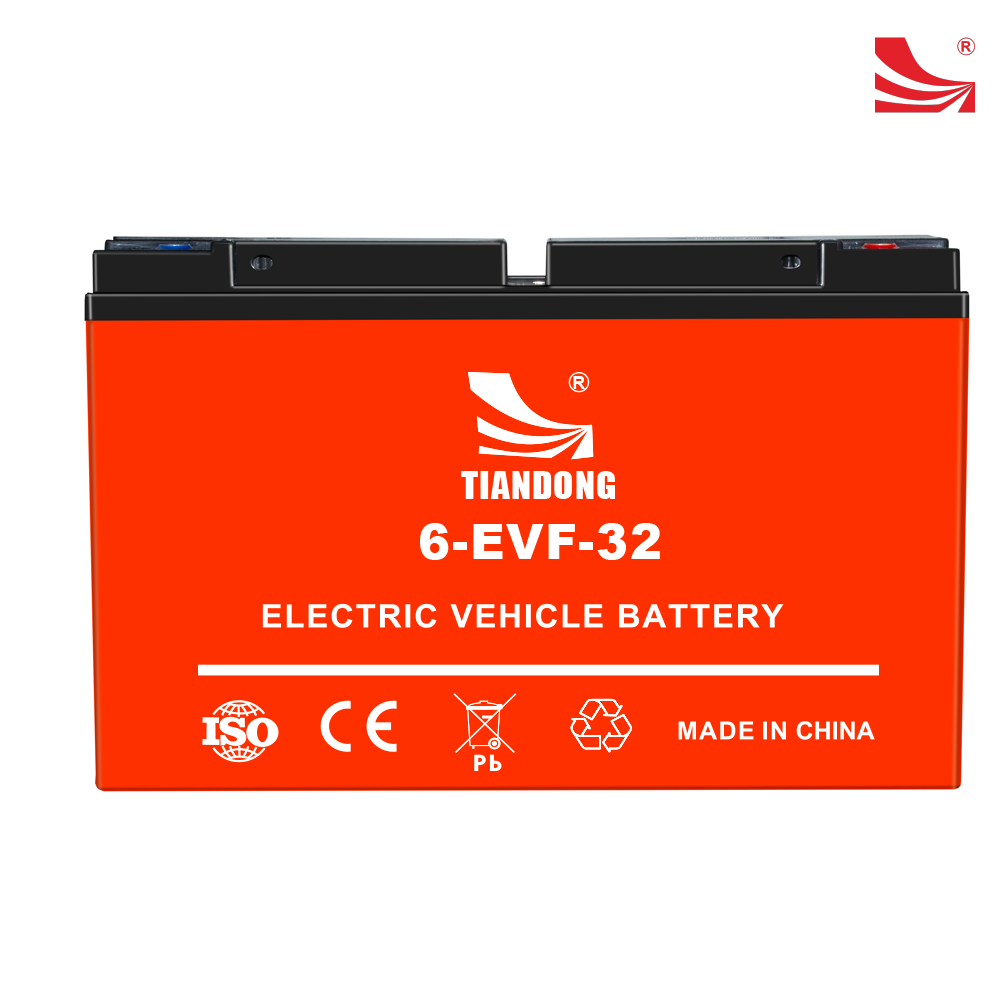
6-EVF-32 model review
For the 6-EVF-32 model, confirm the latest drawing, terminal layout and electrical data before approving the vehicle tray. Use the actual production sample to verify restraint, cable clearance and series connection. Keep the supplier label visible for traceability during pack assembly and service.
6-EVF-45 model review
The 6-EVF-45 should be evaluated as its own pack component, not as a midpoint selected only by name. Compare its verified dimensions, mass and current manufacturer data with the 6-EVF-32 and 6-EVF-58 options. Confirm charger settings and the complete series-pack configuration before vehicle testing.

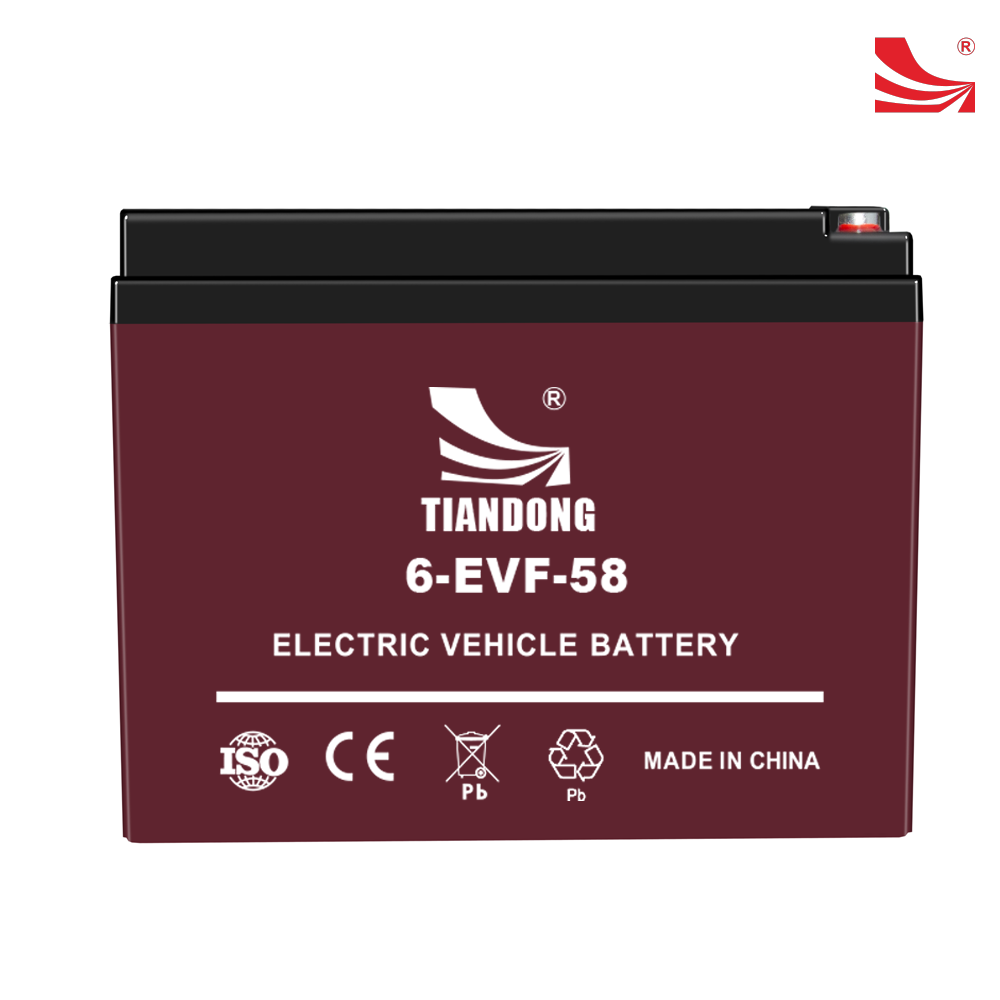
6-EVF-58 model review
The 6-EVF-58 option requires the same controlled process. Verify the current product specification, footprint, terminal position and pack mass against the vehicle structure. A prototype route test should use the intended charger and controller and should document payload, temperature and stop conditions.
| Comparison field | Why it matters | Verification source |
|---|---|---|
| Dimensions and mass | Tray fit, handling and vehicle balance | Current drawing and measured sample |
| Terminal configuration | Cable reach, polarity control and service access | Product drawing, label and receiving check |
| Electrical capacity | Route energy and discharge depth | Datasheet with stated test conditions |
| Charge profile | Compatibility and full-charge procedure | Manufacturer instruction for the exact model |
Build the Correct Series Pack
Electric two-wheelers commonly use multiple batteries connected in series to reach the vehicle system voltage. Every unit in the string carries the same current, so imbalance can make one battery reach its discharge or charge limit before the others. Use the same model, production basis and state of charge within a new pack. Do not mix old and new units or different models without a validated engineering instruction.
Record each battery identifier or batch trace in the pack assembly record. Check open-circuit voltage and any other incoming values defined by the supplier after the specified rest condition. Arrange the batteries in the tray according to the approved drawing, protect cables from abrasion and confirm polarity before making the final connection.
If one unit repeatedly diverges from the rest, investigate the battery, charger, connection resistance and vehicle load rather than replacing parts at random. Service instructions should define whether the pack is replaced as a complete set and how returned units are isolated and evaluated.
Match the Charger to the Exact Battery Pack
A charger is part of the battery system. Request the recommended charging method and settings for the exact model and series count from the battery manufacturer. Confirm input supply, output connector, polarity, cable rating and any communication or temperature feature used by the vehicle. A charger described only by a broad voltage label is not enough for procurement approval.
Charging time depends on the battery state, charger output, temperature and the controlled charging sequence. Do not promise a fixed time without a validated test condition. The operating manual should define ventilation, connection order, completion indication and actions for abnormal heat, odor, damage or charging behavior.
For fleet or wholesale programs, keep the approved charger model and revision in the same bill of materials as the battery pack. If a charger supplier changes a component or setting, recheck compatibility before shipment. Mixing chargers in the field makes service data difficult to interpret and can create inconsistent user behavior.
Manage Temperature and Depth of Discharge
Battery performance and life are affected by temperature, discharge depth, charging practice, storage state and vehicle demand. The acceptable operating and storage limits must come from the current manufacturer documentation. Route planning should consider hot enclosures, cold starts, heavy payloads and repeated deep discharge rather than relying on one nominal laboratory result.
Ventilation and spacing in the battery compartment should follow the vehicle and battery design requirements. Protect the case from direct impact, water paths and cable abrasion. Do not add insulation, heating or cooling arrangements without an engineering review because they can change heat dissipation and safety behavior.
Operational records improve diagnosis. Fleet operators can track route, charge events, obvious damage and early range loss under comparable conditions. These observations do not replace controlled tests, but they help separate a duty-cycle change from a battery or charger issue.
Define Cycle-Life Claims With a Complete Test Condition
A cycle-life number has little procurement value unless the test method is attached. Ask for the charge method, discharge rate, depth of discharge, temperature, rest periods and end-of-test capacity criterion used for the quoted result. A number generated under one laboratory profile should not be presented as a guaranteed field result for every scooter, climate or route.
For supplier qualification, agree a reproducible test that represents the intended application as closely as practical. The plan can include initial capacity verification, repeated charge and discharge under controlled conditions, periodic reference checks and a defined completion criterion. Record the instrument, sample identity and environmental conditions. Any accelerated method should be described as such and correlated cautiously with field use.
Vehicle trials and laboratory cycling answer different questions. Laboratory work supports controlled comparison, while vehicle trials expose pack fit, cable routing, controller behavior, vibration, temperature and the actual route demand. A wholesale approval program can use both, but it should not combine their results into one unsupported promise.
Warranty and service decisions require their own written terms from the supplier. Do not infer a warranty period from a cycle test or a product name. The purchase contract should state the approved model, use conditions, claim evidence, return process and exclusions accepted by both parties.
Define Incoming Inspection and Pack Matching
Incoming inspection should start with documents and packaging. Match purchase order, model, quantity and batch information; inspect cartons for impact or moisture; and isolate damaged units. Verify case condition, terminal integrity, label legibility and physical dimensions according to an agreed sampling plan. Electrical checks should follow the supplier's specified rest time, method and limits.
Pack matching criteria must be agreed before production. The plan may include batch consistency and defined electrical measurements, but exact limits should come from the manufacturer and the pack-validation process. Record which units are assembled together. Rejected or quarantined batteries must not be returned to the accepted inventory without disposition.
| Inspection stage | Check | Record |
|---|---|---|
| Receiving | Carton, label, model, quantity and visible damage | Lot log and exception photographs |
| Physical | Case, terminals, dimensions and orientation | Sampling sheet by unit or lot |
| Electrical | Supplier-defined checks after controlled rest | Instrument, condition, value and result |
| Pack assembly | Unit matching, polarity, cables and restraint | Pack serial or unit-to-pack trace |
Control Packaging, Storage and Shipping
Wholesale packaging should restrain each battery, protect terminals from short circuit and keep labels visible for receiving. Request the current packing method, units per carton or pallet, package dimensions and mass, stacking instruction and handling marks. The buyer should confirm that the method suits the selected transport route and destination requirements.
Battery transport is regulated and requirements vary by battery type, route and jurisdiction. Use qualified logistics providers and obtain the current documents required for the exact product and shipment. Do not copy a document set from another model or an earlier shipment without confirming that it remains applicable.
Storage planning should follow manufacturer instructions for temperature, ventilation, charge maintenance, rotation and inspection. Apply first-in, first-out control with visible lot identification. Separate damaged or leaking units and follow the site's approved handling and disposal procedure.
Prepare a Complete Wholesale RFQ
State the vehicle, system voltage, pack series count, controller and motor information, battery tray drawing, terminal orientation, duty cycle, payload, temperature range, charging window, target test method, quantity, delivery destination and required documents. Ask for the current datasheet and drawing for each quoted model.
Require the quotation to identify the exact battery model, charger recommendation, pack configuration, production traceability, packing method, inspection plan and any assumptions. Compare 6-EVF-32, 6-EVF-45 and 6-EVF-58 only after these fields are aligned. The correct choice is the verified model that fits the vehicle, charger, route and service process—not simply the largest model name.
Before order release, close every open field in a technical deviation list. Record who approved each difference from the vehicle drawing, charger plan or inspection method. A signed sample, controlled specification and agreed packing record should identify the production baseline. This prevents a commercial purchase order from being treated as the only engineering document.
Keep the approved RFQ, datasheet, drawing, charger reference and inspection criteria together under one project revision. Purchasing, assembly, logistics and after-sales teams should all use that same controlled package when identifying the battery and investigating a field return. This traceability also supports consistent repeat orders.



 Scan QR Code
Facebook
Instagram
Scan QR Code
Whatsapp: +8613434886641