






6-EVF Battery Range and Pack Voltage for Electric Two-Wheelers
- Quick Answer
- Why Pack Voltage and Range Must Be Specified Together
- Build a Pack Specification Before Choosing a Model
- A Practical Range-Test Method for Fleets and OEMs
- How Operating Conditions Change Usable Energy
- Select 6-EVF-32, 6-EVF-45 or 6-EVF-58 by Evidence
- TIANDONG 6-EVF Models for Project Review
- TIANDONG 6-EVF-32
- TIANDONG 6-EVF-45
- TIANDONG 6-EVF-58
- Incoming Inspection and Matched-Pack Control
- Wholesale Packaging, Storage and Transport Planning
- Procurement Checklist and RFQ Structure
- Translate Vehicle Duty into an Energy Budget
- Understand Voltage Behavior Under Load
- Charging-System Verification Before Range Approval
- Plan for Aging, Rotation and Service Life
- Batch Qualification for Wholesale Orders
- Troubleshoot Range Complaints with a Fixed Sequence
- Prepare a Repeatable Approval Package
- Conclusion
- Frequently Asked Questions
Quick Answer
Electric two-wheeler range cannot be predicted from a battery model name alone. Buyers must combine pack voltage, verified capacity, controller demand, vehicle mass, route profile, ambient temperature, charging practice and the usable discharge window. A larger battery can support longer operation only when the vehicle accepts its dimensions, mass, terminal layout and electrical limits. Fleet trials should therefore use a documented route and matched batteries before a wholesale specification is released.
Why Pack Voltage and Range Must Be Specified Together
An electric two-wheeler uses a battery string as one system, not as a collection of independent boxes. The series count establishes the nominal pack voltage, while the capacity of each matched unit influences the energy available to the vehicle. A controller designed for one voltage window may reject, protect against or be damaged by an unsuitable pack configuration. Procurement teams should confirm the vehicle, controller and charger requirements before comparing 6-EVF models.
Range is the outcome of energy use over a route, and route energy is never constant. Starting from rest, climbing, carrying a passenger and maintaining higher speed all raise current demand, while gentle travel on level roads may reduce it. Tires, brakes, drivetrain condition and rider behavior can also change consumption without any battery defect. A responsible range estimate therefore states the test conditions instead of presenting a single universal distance.
| Decision input | What to verify | Why it changes range |
|---|---|---|
| Vehicle voltage | Controller and charger rating | Defines series count and charging limits |
| Usable capacity | Load profile and discharge window | Determines practical energy available |
| Route duty | Speed, gradients, stops and payload | Controls average current demand |
| Pack consistency | Matched batteries and connection quality | Weakest unit can limit the whole string |
Build a Pack Specification Before Choosing a Model
The first specification block should identify the vehicle voltage, controller operating window, charger profile and number of batteries connected in series. The second block should record the available battery-compartment dimensions, restraint method, cable reach, terminal orientation and permitted pack mass. The third block should define the target route, payload, daily operating hours and recharge opportunity. These inputs allow the battery supplier and vehicle integrator to evaluate compatibility without guessing.
Pack voltage must be checked at system level because every unit in a series string carries the same current. If one battery has lower usable capacity or higher internal resistance, its voltage can fall earlier under load and restrict the whole pack. Mixing ages, models or service histories makes this imbalance more likely and complicates warranty analysis. New fleet packs should be assembled from compatible units with traceable batch information and consistent incoming readings.
Capacity labels are useful for initial comparison, but practical range depends on how much energy can be used before the controller reaches its low-voltage protection point. High current, low temperature and aging can reduce the energy available during a specific trip. Repeated operation near the discharge limit may also create a different service-life outcome from moderate daily cycling. Buyers should define both a range target and a service-life target rather than optimizing only one number.
A Practical Range-Test Method for Fleets and OEMs
A controlled trial begins with a fully charged, rested and inspected matched pack installed in a representative vehicle. The team records route distance, elevation characteristics, rider or payload mass, tire pressure, ambient temperature and starting pack voltage. During the run, it records operating time, important voltage observations and any controller protection event. After the run, recharge data and vehicle condition are added so the result can be compared with later tests.
The test route should represent the intended duty rather than an unusually easy marketing route. Delivery fleets may need repeated stops, acceleration and payload changes, while commuter applications may need steady mixed-speed travel and predictable overnight charging. Hilly routes should be tested separately from level routes because average distance alone hides current peaks. At least several repeat runs are preferable before the purchasing team accepts a planning figure.
Range results should be expressed as a controlled result under stated conditions, not a promise for every rider and climate. A useful report includes the vehicle model, pack arrangement, battery identity, payload, route, temperature, average operating pattern and end-of-test criterion. It also notes abnormal events such as underinflated tires, braking drag or a charger interruption. This evidence helps distinguish battery performance from changes in the vehicle or test procedure.
How Operating Conditions Change Usable Energy
Cold conditions can reduce discharge performance and charging acceptance, while sustained heat can accelerate deterioration and raise the importance of ventilation. The relevant temperature is the battery environment during charging, storage and operation, not only the daily weather report. Enclosed compartments may retain heat after a long run, and immediate charging can add another thermal load. Fleet procedures should specify a safe stabilization and inspection routine appropriate to the equipment.
Speed has a nonlinear influence on the energy needed to overcome aerodynamic drag, so small changes in cruising behavior can alter range. Stop-start duty adds repeated acceleration demand, and steep gradients increase current for longer periods. Heavy payloads and poor road surfaces add further variability, especially when tire pressure or wheel alignment is not controlled. Range planning should include a reserve margin based on observed duty rather than an arbitrary percentage copied from another vehicle.
Charging practice affects whether the pack starts each shift in a comparable state. The charger must match the intended pack voltage and battery requirements, and connectors should be secure, clean and mechanically supported. Interrupted charging, poor contact or an unsuitable charger can produce inconsistent starting conditions that look like a battery-capacity problem. The receiving and service teams should log charger identity and charge completion when investigating range complaints.
Select 6-EVF-32, 6-EVF-45 or 6-EVF-58 by Evidence
The 6-EVF-32, 6-EVF-45 and 6-EVF-58 names identify different models in our listed electric-vehicle battery range, but model selection must start with verified product and vehicle data. A buyer should not assume that a numerically larger model is a direct drop-in replacement. Compartment size, terminal position, pack mass, charger compatibility and controller limits must all be reviewed. TIANDONG can use the project specification to support a model-level discussion without inventing a universal range claim.
For replacement programs, the existing battery label and pack arrangement are only the starting evidence. The procurement team should confirm why the current pack is being replaced, whether the original range was acceptable, and whether the vehicle or route has changed. If the goal is longer duty, the integrator must check physical installation and electrical compatibility before approving a different model. A pilot pack should then be tested in the real application before volume release.
For new OEM programs, battery selection should be coordinated with vehicle architecture while the compartment, cable routing and charger are still adjustable. Early coordination reduces the risk of selecting a model that meets an energy target but creates assembly, service or weight-distribution problems. The drawing review should include clearances, restraint, insulation, terminal protection and access for inspection. Final approval should use both documented specifications and representative vehicle trials.
TIANDONG 6-EVF Models for Project Review
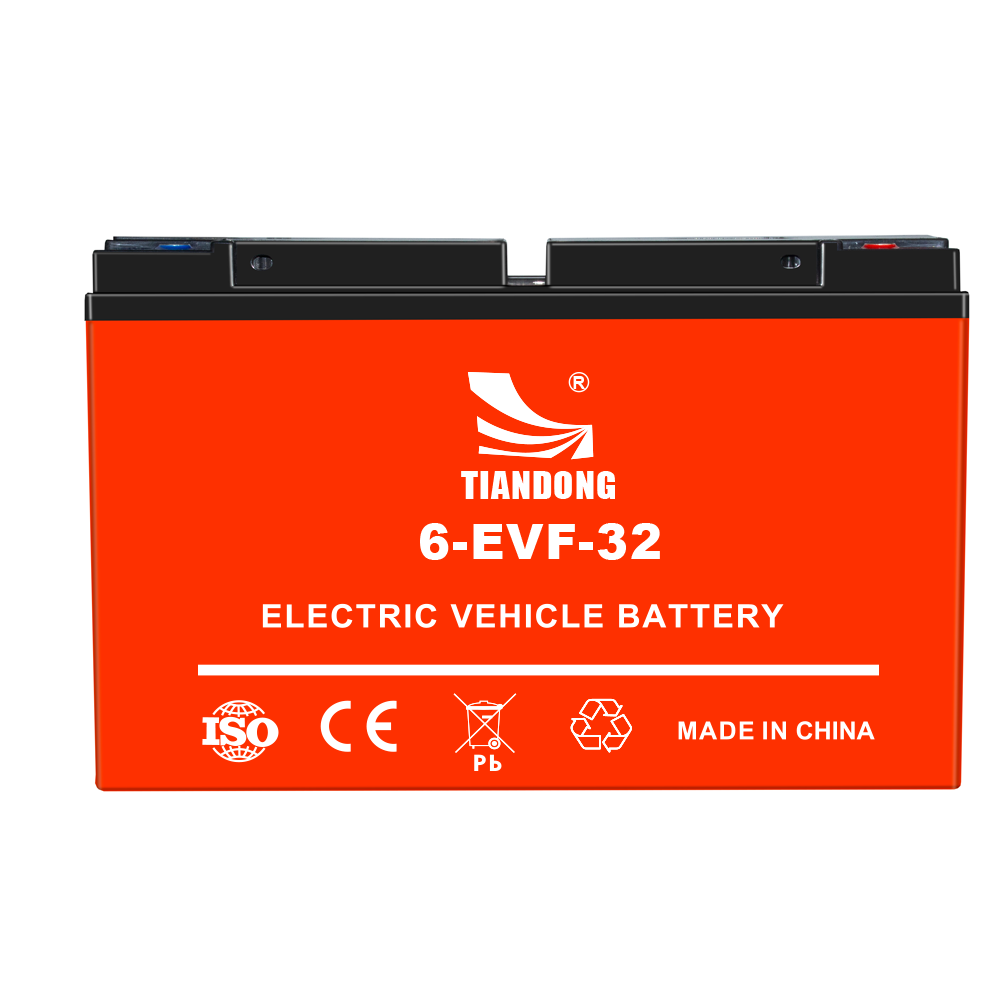
TIANDONG 6-EVF-32
A listed electric-vehicle battery model for OEM pack planning and vehicle compatibility review.
View Product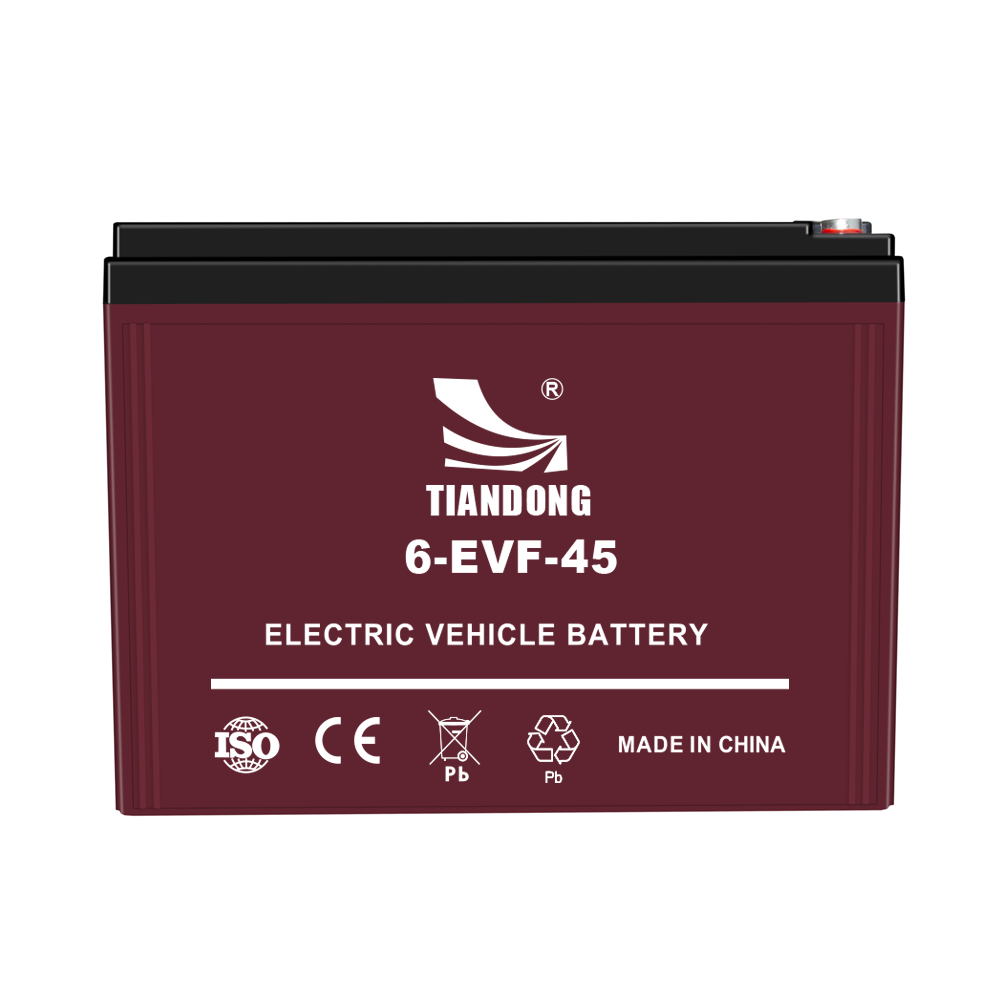
TIANDONG 6-EVF-45
A listed scooter and electric-vehicle battery model for matched-pack and OEM evaluation.
View Product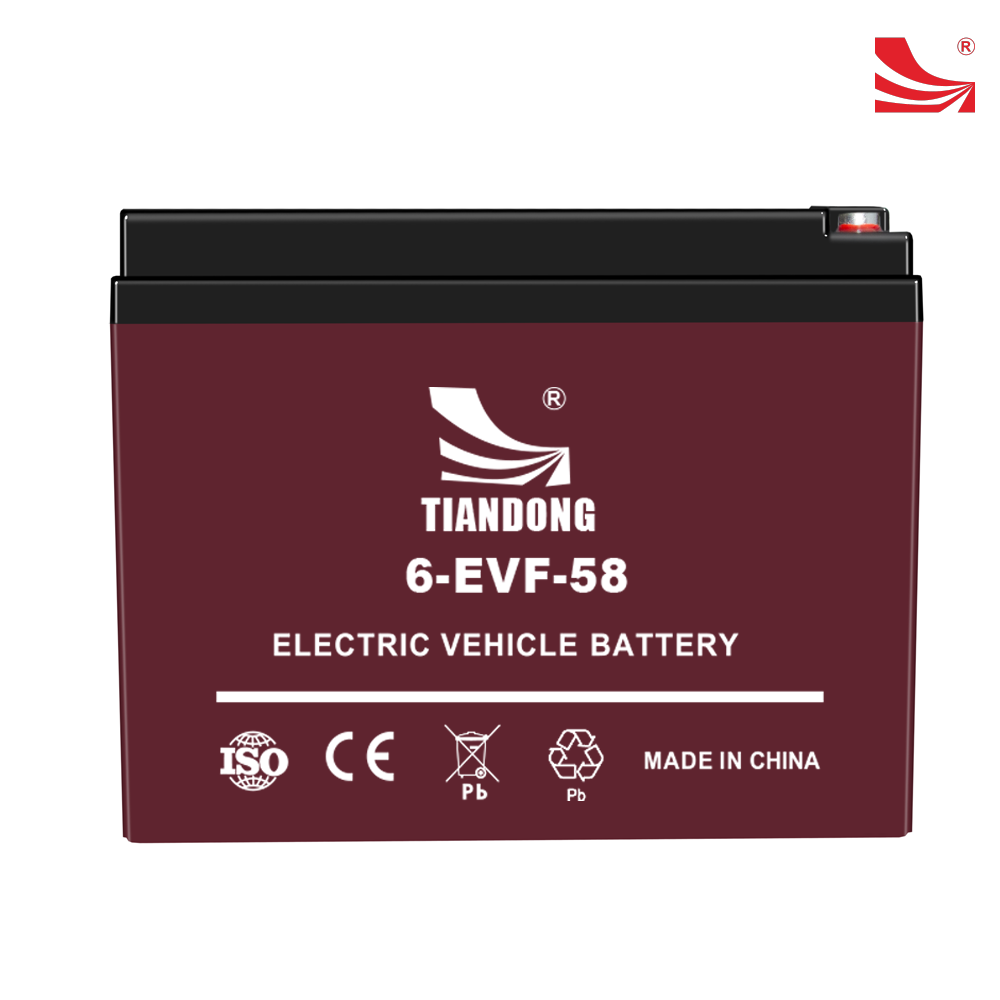
TIANDONG 6-EVF-58
A listed higher-capacity-positioned model for wholesale and long-duty project assessment.
View ProductIncoming Inspection and Matched-Pack Control
A receiving plan should connect every shipment to the purchase specification, packing list and batch identity. Inspectors can check packaging condition, model labels, visible damage, terminal protection and consistent appearance before electrical screening. Readings should be taken with a defined method and recorded by unit so unusual variation can be isolated. Any acceptance limits must come from the agreed specification or supplier documentation rather than being invented after delivery.
Matched-pack control continues after installation because replacement of a single unit can introduce a different age or service history. Service teams should record which batteries operate together, the vehicle assignment, installation date and any abnormal event. When a pack is investigated, all units should be evaluated as a set instead of judging only the most accessible battery. This method produces more reliable corrective action and helps purchasing teams distinguish handling issues from product issues.
Wholesale Packaging, Storage and Transport Planning
Wholesale orders require protection against impact, short circuit, moisture exposure and uncontrolled movement during handling. Packaging configuration should be agreed from the actual model, shipment mode, destination and applicable transport requirements. Labels, documents and palletization should remain traceable to the order and batch. Buyers should verify current carrier and regulatory requirements for the specific route rather than relying on a generic shipping statement.
| Acceptance stage | Evidence to record | Procurement use |
|---|---|---|
| Specification review | Model, dimensions, terminal orientation and pack layout | Prevents mechanical and electrical mismatch |
| Incoming inspection | Batch identity, appearance and open-circuit readings | Creates a traceable receiving baseline |
| Vehicle trial | Route, payload, temperature, voltage and recharge data | Connects laboratory checks to real duty |
| Release decision | Signed criteria, exceptions and corrective actions | Supports repeat orders and supplier control |
Storage planning should control cleanliness, ventilation, temperature exposure, rotation and inspection frequency. Batteries should not be mixed casually across unidentified lots, and terminals must remain protected from conductive objects. A first-in, first-out or otherwise documented rotation system helps prevent forgotten inventory, but the exact maintenance procedure should follow the agreed product instructions. Warehouses should also separate damaged or suspect units pending qualified assessment.
Procurement Checklist and RFQ Structure
A useful RFQ identifies the vehicle application, required pack voltage, expected series arrangement, target duty, route conditions, payload, compartment envelope and charger information. It also requests the exact product model, drawing or dimensional confirmation, terminal orientation, packaging method, traceability and proposed acceptance evidence. If the buyer requires branding or packaging customization, those needs should be separated from technical compatibility requirements. Clear separation prevents commercial options from obscuring a critical fit or charging issue.
The RFQ should ask suppliers to state assumptions and exceptions explicitly. If a range target is included, the buyer should provide the test conditions and acceptance method rather than asking for an unsupported universal distance. Sample evaluation, pilot quantity and volume release can be treated as separate gates with evidence required at each stage. This structure makes comparison more transparent and reduces late changes after tooling, packaging or vehicle assembly decisions.
Translate Vehicle Duty into an Energy Budget
A practical energy budget begins with operating time and the kinds of load the vehicle must overcome. Buyers should separate steady cruising, frequent acceleration, gradients, stops, idle electrical loads and the mass carried during the shift. Each duty component changes current demand, so a route with the same distance can consume very different energy. Recording the duty components makes supplier discussions more precise and prevents a distance target from hiding a demanding operating pattern. The result should be treated as a planning model that must be checked by a vehicle trial, because actual controller behavior and mechanical condition influence the final outcome.
Fleet managers can improve the model by dividing routes into repeatable segments and recording what happens in each segment. A delivery route might contain depot departure, urban stop-start travel, a loaded outbound section, an unloaded return and a final reserve requirement. Segment records reveal whether the pack is limited by sustained energy use or by short high-current events that cause voltage drop. They also help the buyer compare alternative routes without pretending that one average consumption figure represents every day. When the route changes materially, the planning model and acceptance trial should be updated rather than applying an old result without review.
Reserve must be defined as an operational requirement instead of a vague safety percentage. The necessary reserve may cover route variation, traffic, battery aging, temperature, an unexpected detour or the need to return to a charging point. A fleet with reliable midday charging can use a different operating plan from a fleet that must complete a full shift without access to power. Procurement should state the reserve objective and the conditions under which it is measured. This approach allows the pack choice, charging plan and route assignment to be evaluated together while avoiding an unsupported promise of maximum distance.
Understand Voltage Behavior Under Load
Open-circuit voltage is useful for screening and comparison, but it does not describe the entire behavior of a working pack. Voltage falls when current is drawn, and the amount of temporary drop is influenced by battery condition, temperature, connection resistance and load intensity. A controller may reach its protection threshold during a demanding event even when the pack appears acceptable at rest. Test records should therefore connect voltage observations to current demand and route events rather than treating one stationary reading as proof of usable range. Qualified technicians should use appropriate instruments and safe procedures because the batteries operate as an energized system.
Connection quality deserves its own inspection because resistance at terminals, links or cable joints can create heat and additional voltage loss. Loose hardware, contamination, damaged conductors or unsuitable cable routing can reduce performance and create a safety concern that is not caused by cell capacity. Visual inspection should be supported by the approved assembly method and any project-specific verification defined by the vehicle integrator. Service teams should record corrections so later range data is not compared with a pack that had a known connection defect. Consistent installation practices also make comparisons between vehicles more meaningful.
When batteries are connected in series, the system should be assessed as a string and as individual units. The pack voltage may look reasonable while one unit is approaching its limit earlier than the others under load. Unit-level observations taken through a safe, repeatable procedure can help identify imbalance, installation problems or an unsuitable mixed pack. The acceptance method should state when readings are taken, what equipment is used and how exceptions are handled. Suppliers and buyers can then discuss evidence from the same test conditions instead of interpreting unrelated measurements.
Charging-System Verification Before Range Approval
The charger is part of the operating system and must be included in range acceptance. Buyers should confirm the charger model, intended pack voltage, connector arrangement and operating condition before a trial begins. A charger that terminates early, experiences an interrupted supply or has a poor connection can leave the pack in an inconsistent starting state. Charging records should include start and completion information, any warning indication and the rest period used before the next measurement. These controls make repeated vehicle tests comparable and reduce false conclusions about differences between battery models.
Charging location and timing also affect fleet practicality. The electrical supply, ventilation, cable management, parking pattern and supervision method must support the number of vehicles expected to charge at the same time. A battery choice that meets the driving requirement may still be unsuitable if the available charging window cannot restore the pack for the next shift. Procurement teams should therefore evaluate energy replenishment, facility capacity and turnaround time as part of the project. Any specific charging limits or procedures must come from verified product and equipment documentation, not from a generic assumption.
A pilot should include normal charging behavior over several duty cycles rather than only one successful run. Repeated records can reveal inconsistent connections, route changes, operator variation or a pack that does not begin each shift under equivalent conditions. The team should define who collects data, how exceptions are flagged and when a trial must be repeated. If a result falls outside the agreed range, the investigation should check the vehicle, charger, route and pack before assigning a cause. This disciplined method protects both buyer and supplier from decisions based on incomplete evidence.
Plan for Aging, Rotation and Service Life
Range at commissioning is only one point in the operating life of a fleet pack. Over time, usable performance can change with cycle depth, temperature exposure, charging practice, storage and vehicle duty. A purchase decision should therefore include the minimum acceptable operating result at defined service checkpoints, not only the first-day result. Fleet records can connect pack identity, vehicle assignment, route history and maintenance events so changes are traceable. The buyer can then plan rotation or replacement using measured performance rather than waiting for an unexpected route failure.
Vehicles should not be compared blindly when their mechanical condition and duty are different. Brake drag, tire condition, alignment, drivetrain wear and accessory loads can raise energy use and make a healthy pack appear weak. A diagnostic process should first confirm the vehicle baseline, then review charging and pack behavior under controlled conditions. Moving a suspect pack to another vehicle without recording the change can obscure the cause and contaminate fleet data. A clear investigation sequence reduces unnecessary replacements and creates evidence that can support a supplier claim when a genuine product exception exists.
Rotation policies must preserve matched-pack integrity. Randomly moving individual batteries between strings can create differences in age, duty history and condition that complicate performance and traceability. If the fleet rotates assets, the procedure should identify the complete pack, the receiving vehicle and the reason for the move. Any replacement strategy should follow agreed technical guidance and should not assume that one new unit will automatically restore an older string. This control supports fair evaluation of service life and reduces the risk of recurring imbalance.
Batch Qualification for Wholesale Orders
A wholesale order should use staged qualification when the application, vehicle or supplier relationship is new. The buyer can begin with document review, proceed to samples, conduct a representative pilot and release volume only after agreed evidence is complete. Each gate should define responsibility, acceptance criteria, records and the action required when a result is outside the limit. This structure prevents commercial urgency from bypassing compatibility checks. It also gives both parties a controlled point to correct packaging, labeling, documentation or installation details before they affect a full shipment.
Sampling plans should reflect lot size, risk and the buyer's quality system. The plan may include identity checks, appearance, packaging condition, selected electrical screening and confirmation that the shipment matches the approved model and configuration. Acceptance values must be based on the purchase specification and verified supplier information, while test equipment and methods should be documented. Results should remain linked to batch and shipment records so later field feedback can be investigated. When evidence is incomplete, affected units should remain controlled rather than being mixed into released inventory.
Packaging approval should use the actual product and logistics route. The buyer and supplier should check terminal protection, internal restraint, carton or pallet stability, labels, documents and the handling steps expected during loading and delivery. A package that performs well in local transport may need different controls for a longer or multimodal shipment. Any regulatory classification or carrier requirement must be verified for the destination and shipment arrangement at the time of dispatch. Photographs and packing records provide useful traceability without substituting for the applicable transport rules.
Troubleshoot Range Complaints with a Fixed Sequence
A useful complaint record begins with the expected range and the exact conditions under which the shortfall occurred. It should identify the vehicle, complete pack, installation date, route, payload, temperature, charger, operator observations and any recent maintenance. The first review checks whether the comparison uses equivalent starting and operating conditions. The second review examines vehicle drag, connections, charging completion and unit-to-unit behavior. Only after these factors are controlled can the team evaluate whether the pack itself fails the agreed acceptance requirement.
Evidence should be collected before components are separated or charged under a different process, because intervention can change the condition being investigated. Photographs, labels, readings and event notes should be time-linked and associated with the same vehicle and pack. Service staff should avoid promising a cause before the review is complete. Suppliers should receive the records specified in the claim process, while the fleet retains copies for trend analysis. A consistent complaint package shortens technical communication and helps identify recurring installation or operating patterns.
Corrective action should address the verified cause and include a way to confirm effectiveness. If the issue is a loose connection, the action includes the approved assembly correction and a repeat route test. If the issue is inconsistent charging, the charger, supply or operating procedure must be corrected before range is judged again. If a battery exception is confirmed against agreed criteria, traceability helps determine whether the concern is isolated or batch-related. Closing the case with evidence prevents the same symptom from being treated as a new, unrelated problem later.
Prepare a Repeatable Approval Package
The final approval package should contain the agreed vehicle and pack specification, product identity, drawings or fit confirmation, charger information, pilot method, raw observations and signed conclusions. It should also capture approved packaging, labels, product links and any customization that applies to the order. Assumptions and deviations must be visible so the next purchase does not silently inherit an unverified change. A compact document set is more useful than scattered messages because engineering, purchasing, receiving and service teams can refer to the same baseline. Version control is important when the vehicle, charger or battery configuration changes.
For distributors, the approval package can be adapted into a customer-qualification form without exposing unsupported performance claims. Sales teams can collect the vehicle voltage, pack arrangement, compartment limits, duty and charging information before proposing a model. Technical staff can then identify missing data and request a pilot where necessary. This workflow improves response quality while preventing a model number from being treated as sufficient selection evidence. It also helps distributors explain why real range varies while still giving customers a clear path to a defensible recommendation.
For OEMs, the same package becomes part of design release and supplier quality control. Mechanical fit, electrical compatibility, cable routing, charging, assembly instructions and field-test evidence can be reviewed at planned milestones. Changes should trigger an impact review instead of being accepted informally after production begins. When the approved baseline is stable, receiving inspection and after-sales diagnosis become faster because the expected configuration is known. The result is a procurement process that supports repeat orders without converting one successful prototype into an unsupported universal performance claim.
Conclusion
Pack voltage establishes whether the battery string can operate with the vehicle system, while practical range depends on the energy actually available under real duty. Reliable selection combines electrical compatibility, physical fit, matched-pack control, representative trials, charging discipline and documented acceptance. The TIANDONG 6-EVF-32, 6-EVF-45 and 6-EVF-58 models should be compared within that evidence framework rather than by model number alone. A well-defined RFQ and pilot test turn range planning from a marketing estimate into a repeatable procurement decision.
Frequently Asked Questions
How should buyers estimate electric two-wheeler range?
Use a representative vehicle and matched pack on a documented route, recording payload, speed pattern, gradients, temperature, starting condition and the end-of-test criterion. Treat the result as valid for those conditions, not as a universal distance.
Does a higher-numbered 6-EVF model always provide more range?
No. Model choice also depends on verified capacity, compartment dimensions, mass, terminal orientation, charger compatibility, controller limits and the usable discharge window. A larger model is not automatically a safe drop-in replacement.
Why must batteries in a series pack be matched?
Every unit carries the same current, and the weakest unit can reach its limit first. Consistent model, age, batch history and incoming condition make pack behavior easier to control and diagnose.
What information should an OEM provide in an RFQ?
Provide vehicle voltage, controller and charger information, series count, compartment envelope, terminal needs, payload, route duty, range target with test conditions, packaging requirements and acceptance evidence.
What should be checked when a fleet reports reduced range?
Check charging completion, connections, tire pressure, braking drag, route or payload changes, temperature and the behavior of every battery in the pack. Do not assume the battery is the only possible cause.
Can one range figure be used for every market?
No. Climate, gradients, traffic, payload, speed and charging opportunities vary by market. Local representative trials provide a more defensible planning figure.

YTX5-BS, YTX7-BS and YTX9-BS: Procurement Specifications and Variant Control

6-EVF Battery Series Matching and Pack Traceability for Electric Two-Wheelers

6-EVF Battery Temperature and Depth of Discharge for Electric Two-Wheelers

6-EVF Battery Charging and Charger Matching for Electric Two-Wheelers

6-EVF Battery Cycle Life for Electric Two-Wheelers

6-EVF-32 vs 6-EVF-45 vs 6-EVF-58: Battery Selection for Electric Two-Wheelers
Get in touch with us to get your Motorbike Battery solution
TIANDONG is a leading motorcycle battery manufacturer offering OEM/ODM service, stable quality, and global export support.
Built for wholesalers. Trusted by global buyers. Delivered with confidence.
Say Hello
E-mail: daisybattery8@gmail.com
xianyingchen83@gmail. com
WhatsAPP: +86 134 283 86694
+86 134 348 86641
Our Location
Social Links
© 2025 TIANDONG. All Rights Reserved. Privacy Policy | Terms and Conditions | Sitemap
 Scan QR Code
Facebook
Instagram
Scan QR Code
Whatsapp: +8613434886641