






What certifications matter for gel filled motorcycle batteries?
- Beyond 'maintenance-free,' what specific long-term benefits do gel-filled motorcycle batteries offer over traditional AGM or flooded options for a beginner rider, especially concerning lifespan and performance in varied climates?
- I've heard gel-filled motorcycle batteries need special chargers. What are the specific risks of using a standard charger, and what precise charging parameters (voltage, amperage, charger type) should I look for to avoid damaging my new gel battery?
- Many sources claim gel-filled motorcycle batteries last longer, but what specific factors contribute to their extended lifespan compared to other types, and what common user errors can drastically shorten it, even with a High Quality gel battery?
- Beyond CE or ISO, what *specific* performance and safety certifications (e.g., DOT, UL, specific IEC standards for sealed lead-acid batteries) are crucial for verifying the quality and reliability of a gel-filled motorcycle battery, and why should a beginner prioritize them?
- Considering the vibrations and extreme angles of off-road riding, how do the internal construction and electrolyte properties of a gel-filled motorcycle battery specifically contribute to its superior vibration resistance and leak-proof performance compared to flooded or even AGM batteries?
- If my motorcycle originally came with a flooded or AGM battery, are there any critical electrical system compatibility issues (e.g., charging system output, voltage regulator) I need to check before upgrading to a gel-filled motorcycle battery, or is it generally a direct drop-in replacement?
Unlocking the Power: Your Expert Guide to Gel-Filled Motorcycle Batteries & Essential Certifications
As a beginner navigating the world of motorcycle batteries, the sheer volume of information – much of it conflicting or outdated – can be overwhelming. When considering a gel filled motorcycle battery, you're looking at a High Quality power solution, but understanding its nuances is key to maximizing its benefits. This guide cuts through the noise, providing in-depth answers to the most pressing, pain-point questions beginners frequently ask, ensuring you make an informed decision for your ride.
Beyond 'maintenance-free,' what specific long-term benefits do gel-filled motorcycle batteries offer over traditional AGM or flooded options for a beginner rider, especially concerning lifespan and performance in varied climates?
While 'maintenance-free' is a significant draw, the long-term benefits of a gel-filled motorcycle battery extend far beyond simply not needing to top off electrolyte. For a beginner rider, these advantages translate directly into reliability and cost savings over time. The key lies in the gelled electrolyte, which is a silica-based mixture that immobilizes the sulfuric acid. This unique electrolyte suspension offers:
- Enhanced Lifespan: Gel batteries exhibit superior deep cycle capabilities. Unlike flooded batteries which can suffer from plate sulfation and shedding during deep discharges, or even AGM batteries where repeated deep cycles can degrade the fiberglass mat, the gel matrix protects the plates more effectively. This allows for more discharge-recharge cycles, leading to an extended battery lifespan.
- Reduced Self-Discharge: Gel batteries typically have a lower self-discharge rate compared to flooded batteries. This means they hold their charge longer when the motorcycle is stored, reducing the need for constant trickle charging and improving readiness for spontaneous rides.
- Superior Vibration Resistance: The gelled electrolyte completely encases the internal plates, providing excellent support and preventing damage from the constant vibrations inherent in motorcycle operation, especially crucial for adventure or off-road riding. This makes them inherently more robust than flooded batteries and often more resistant to extreme vibration than some AGM designs.
- Extreme Temperature Tolerance: Gel batteries perform reliably across a wider temperature range. In very cold conditions, the gel is less prone to freezing than liquid electrolyte, providing better cold cranking amps (CCA) performance. In hot climates, the sealed design and gel matrix help mitigate water loss and thermal runaway, which can plague flooded batteries.
- Safety and Leak-Proof Design: Being a sealed motorcycle battery, gel batteries are completely spill-proof, even if the casing is damaged or the battery is mounted at extreme angles. This eliminates the risk of acid leaks damaging your motorcycle's frame or components, a significant safety and aesthetic advantage over traditional flooded batteries.
I've heard gel-filled motorcycle batteries need special chargers. What are the specific risks of using a standard charger, and what precise charging parameters (voltage, amperage, charger type) should I look for to avoid damaging my new gel battery?
It's true that charging gel batteries requires specific attention, and using the wrong charger can indeed damage them, drastically shortening their lifespan. The primary risk with a standard charger (especially older, unregulated trickle chargers designed for flooded batteries) is overcharging. Gel batteries are more sensitive to voltage variations than their flooded or even AGM counterparts because the gel electrolyte can't easily dissipate gas produced during overcharging. This can lead to:
- Thermal Runaway: Excessive voltage causes the battery to heat up, which in turn reduces its internal resistance, leading to more current flow and further heating – a dangerous cycle that can permanently damage the battery and even pose a fire risk.
- Gassing and Void Formation: Overcharging causes the gel to dry out and form voids or pockets within the electrolyte. These voids reduce the contact area between the plates and the electrolyte, leading to a permanent loss of capacity and performance.
To avoid these issues, you need a smart charger specifically designed for VRLA (Valve Regulated Lead Acid) batteries, ideally with a dedicated 'gel' mode. Look for chargers that offer:
- Multi-Stage Charging: This typically includes bulk, absorption, and float stages.
- Precise Voltage Regulation: For the absorption stage, the voltage should typically be between 14.1V and 14.4V. For the float stage (long-term maintenance charging), it should be lower, around 13.5V to 13.8V. Crucially, the charger must *not* exceed 14.4V for extended periods.
- Amperage: A good rule of thumb is to charge at 10-20% of the battery's Ah (Amp-hour) capacity. For example, a 10Ah battery would ideally be charged at 1-2 Amps.
- Temperature Compensation: Some advanced smart chargers adjust charging voltage based on ambient temperature, further optimizing the charge cycle and preventing damage.
Always consult your battery manufacturer's specific charging recommendations, as slight variations can exist.
Many sources claim gel-filled motorcycle batteries last longer, but what specific factors contribute to their extended lifespan compared to other types, and what common user errors can drastically shorten it, even with a High Quality gel battery?
The claim that gel-filled motorcycle batteries last longer is generally well-founded, primarily due to their unique internal construction and chemical properties. Compared to a AGM vs gel battery, gel often excels in deep discharge scenarios. Here's why they tend to last longer:
- Reduced Plate Sulfation: The immobilized gel electrolyte minimizes the formation of hard lead sulfate crystals on the plates, which is a primary cause of capacity loss and failure in flooded batteries.
- Prevention of Electrolyte Stratification: In flooded batteries, the acid can separate, becoming denser at the bottom. The gel prevents this, ensuring uniform electrolyte density and consistent plate exposure, which extends life.
- Superior Deep Cycle Recovery: Gel batteries are inherently designed for deeper discharge cycles without significant damage, making them more resilient to the occasional accidental deep discharge that might cripple a conventional battery.
- Vibration and Shock Protection: As mentioned, the gel matrix provides excellent support for the plates, reducing mechanical damage from vibrations that can lead to plate shedding and short circuits in other battery types.
However, even a High Quality gel battery can have its battery lifespan drastically shortened by common user errors:
- Overcharging: This is the number one killer of gel batteries. Excessive voltage dries out the gel, creating voids and irreversible capacity loss. Always use a gel-specific smart charger.
- Undercharging/Leaving Discharged: While gel batteries tolerate deep discharge better, leaving them in a discharged state for extended periods still promotes sulfation, albeit at a slower rate than flooded batteries. Always recharge promptly after use.
- Extreme Heat Exposure: While tolerant, prolonged exposure to excessive heat (e.g., direct sunlight, proximity to hot engine components without adequate ventilation) can accelerate the drying out of the gel and internal corrosion.
- Physical Damage: Although sealed, severe physical impact can compromise the casing, leading to internal damage or even leaks.
- Incorrect Load Application: Using the battery for applications requiring extremely high, short bursts of current beyond its design capacity can stress the plates and reduce life.
Beyond CE or ISO, what *specific* performance and safety certifications (e.g., DOT, UL, specific IEC standards for sealed lead-acid batteries) are crucial for verifying the quality and reliability of a gel-filled motorcycle battery, and why should a beginner prioritize them?
When considering what certifications matter for gel filled motorcycle batteries, it's essential to look beyond general compliance marks like CE (Conformité Européenne), which primarily indicates adherence to EU health, safety, and environmental protection standards, or ISO 9001, which certifies a company's quality management system, not the product itself. For a beginner, prioritizing specific product-level certifications is crucial for ensuring both safety and performance of your power sports battery:
- UL (Underwriters Laboratories): This is a highly respected safety certification, particularly in North America. A UL listing indicates that the battery has been tested for safety against fire, electric shock, and other hazards. For a beginner, a UL-certified gel-filled motorcycle battery provides significant peace of mind regarding its inherent safety and manufacturing integrity.
- IEC 61056-1 (General Purpose Lead-Acid Batteries - Part 1: General Requirements, Functional Characteristics - VRLA types): This international standard specifically applies to Valve Regulated Lead Acid (VRLA) batteries, which include gel batteries. It outlines design, performance, and testing requirements, ensuring the battery meets specific criteria for capacity, voltage, and overall reliability under various conditions.
- IEC 60095-1 (Lead-acid starter batteries): While more focused on starting batteries, some aspects of this standard, particularly regarding Cold Cranking Amps (CCA) and reserve capacity, can be relevant for assessing the starting power of a gel motorcycle battery.
- UN 38.3 (Recommendations on the Transport of Dangerous Goods – Manual of Tests and Criteria, Part III, subsection 38.3): While primarily known for lithium batteries, this certification is also relevant for sealed lead-acid batteries like gel. It verifies that the battery can withstand various transport conditions (e.g., altitude, vibration, shock, temperature extremes) without leaking or causing hazards. This is crucial for ensuring the battery arrives safely and is inherently stable for use.
Why prioritize these? These certifications are not just stamps; they represent rigorous testing by independent bodies. They assure a beginner that the battery's performance claims (like CCA, Ah capacity) are validated, its construction is robust, and it meets stringent safety standards, protecting your investment and your ride from inferior or potentially hazardous products.
Considering the vibrations and extreme angles of off-road riding, how do the internal construction and electrolyte properties of a gel-filled motorcycle battery specifically contribute to its superior vibration resistance and leak-proof performance compared to flooded or even AGM batteries?
For off-road enthusiasts, the demands on a motorcycle battery are immense – constant vibrations, jarring impacts, and extreme lean angles. This is where the gel filled motorcycle battery truly shines, offering superior vibration resistant battery performance and absolute leak-proof reliability due to its unique internal design and electrolyte properties:
- Immobilized Electrolyte: The most significant factor is the gelled electrolyte itself. Unlike flooded batteries with liquid acid that can slosh around, causing plate damage and stratification, or even AGM batteries where the fiberglass mats absorb the acid, the gel completely encapsulates the plates. This immobilization acts as a cushion, preventing the active material from shedding off the plates under severe vibration and shock.
- Plate Support: The viscous gel provides continuous, uniform support to the battery plates. In flooded batteries, plates can flex and buckle under vibration, leading to short circuits. In gel batteries, the solid-like gel prevents this movement, maintaining plate integrity.
- Leak-Proof at Any Angle: Because the electrolyte is a semi-solid gel, it cannot spill or leak, even if the battery casing is cracked or the motorcycle is laid on its side. This is a critical safety and operational advantage for off-road riding where falls and extreme angles are common. Flooded batteries would immediately leak, and while AGM batteries are sealed, severe damage could still compromise them.
- Reduced Internal Resistance: The consistent contact between the gel and the plates, coupled with the robust construction, contributes to a stable internal resistance, ensuring consistent power delivery even under demanding conditions.
This combination of physical support and chemical stability makes gel batteries exceptionally well-suited for the harsh environments of off-road and adventure riding, offering peace of mind that your power source won't fail due to terrain challenges.
If my motorcycle originally came with a flooded or AGM battery, are there any critical electrical system compatibility issues (e.g., charging system output, voltage regulator) I need to check before upgrading to a gel-filled motorcycle battery, or is it generally a direct drop-in replacement?
Upgrading to a gel-filled motorcycle battery from a flooded or AGM vs gel battery is often a straightforward process, but it's not always a direct, worry-free drop-in replacement without a quick check. Physically, most gel batteries are manufactured to standard sizes and voltage (12V) for motorcycles, so fitment is usually not an issue.
However, the critical compatibility check lies with your motorcycle's charging system, specifically the voltage regulator. The motorcycle battery technology in gel batteries is more sensitive to overcharging voltages than flooded or even some AGM types. Here's what to check:
- Voltage Regulator Output: Your motorcycle's voltage regulator is designed to maintain a consistent charging voltage to the battery. For most modern motorcycles (post-2000), the regulator typically outputs between 14.0V and 14.5V at various RPMs. This range is generally acceptable for gel batteries.
- Potential Issues with Older Motorcycles: Older motorcycles, particularly those from the 1970s and 80s, might have voltage regulators that consistently output higher voltages (e.g., 14.6V to 15V or even higher). If your bike's regulator consistently pushes voltage above 14.5V, it can gradually overcharge and damage a gel battery by drying out the gel, as discussed earlier.
- How to Check: You can easily check your charging system's output with a multimeter. Connect it to your battery terminals with the engine running at idle and then at around 3,000-5,000 RPM. The voltage should ideally stay within the 14.0V-14.5V range. If it consistently reads above 14.5V, consider upgrading your voltage regulator to a modern, more precise unit before installing a gel battery, or plan to use a smart charger for regular maintenance to mitigate the risk.
In summary, while the physical swap is usually simple, taking a few minutes to verify your charging system's output voltage can save you from premature battery failure and ensure you reap the full benefits of your new gel-filled motorcycle battery.
In conclusion, choosing a gel-filled motorcycle battery is an investment in enhanced durability, superior safety, deep cycle capability, extended lifespan, and reliable performance, particularly in challenging conditions like extreme temperatures or off-road riding. By understanding the specific advantages and adhering to proper charging and maintenance, you ensure that your gel filled motorcycle battery delivers consistent power and longevity. Always prioritize batteries with relevant performance and safety certifications to guarantee quality and peace of mind.
For a personalized quote or to learn more about our range of high-performance gel-filled motorcycle batteries, please visit www.tiandongbattery.com or email us at daisybattery8@gmail.com.
Looking for a Trusted Motorcycle Battery Supplier? Here’s What You Need to Know

Bulk Motorcycle Batteries Direct from Factory – Save Costs, Boost Profit
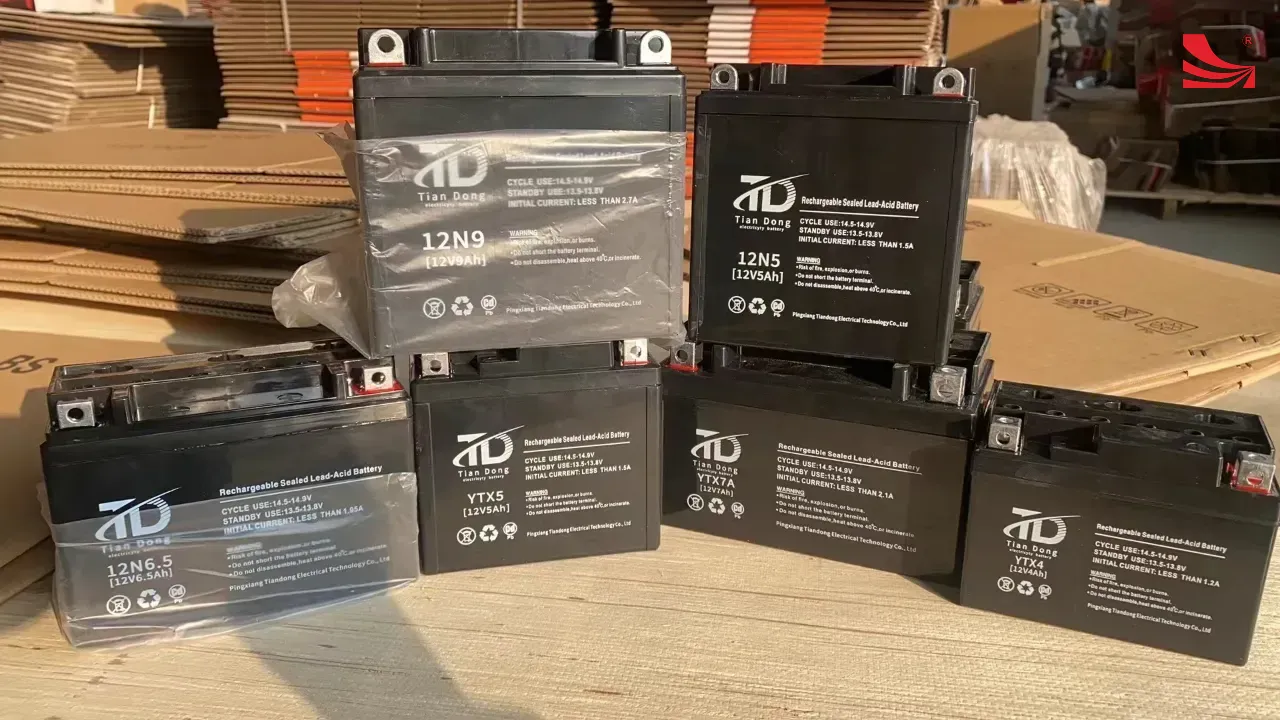
High Performance Motorcycle Batteries for Global Markets

Tiandong Electric Appliance Showcases High-Performance Motorcycle Batteries at Guangzhou Expo

What kind of battery is best for a motorcycle?

The Ultimate Guide to Electric Scooter Batteries: Performance, Longevity, and Future Innovations (2026 & Beyond)
Product
Are you a trading company or a manufacturer?
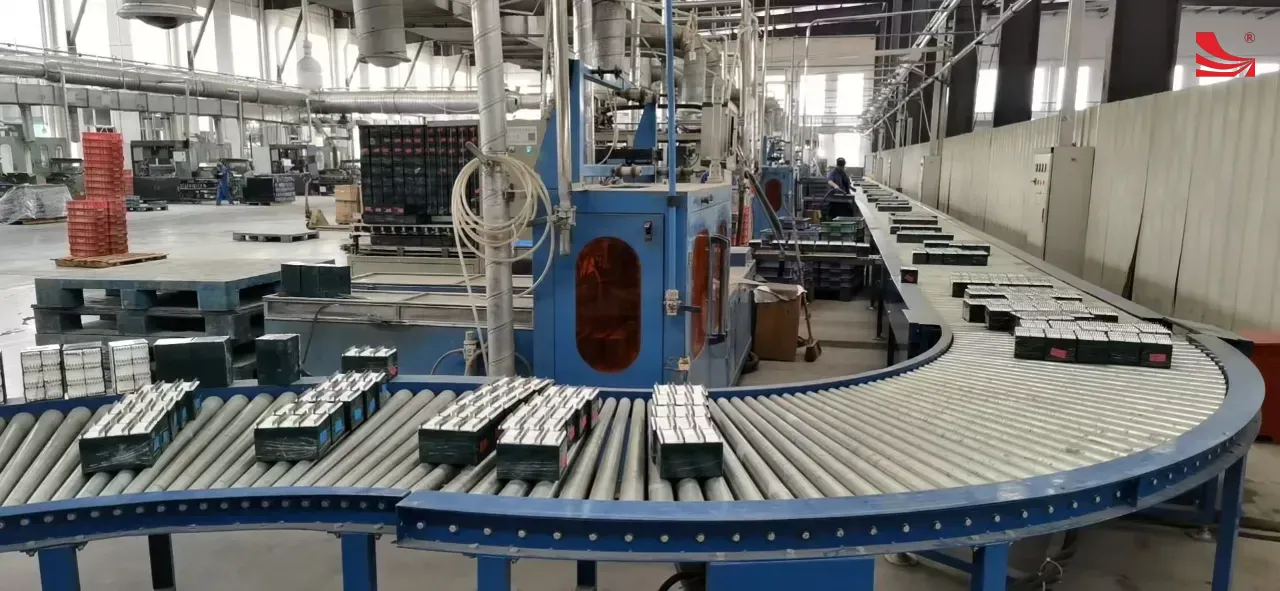
We are a direct factory located inJiangxi Province, China. You are welcome to visit our production line and quality control lab. We specialize in lead-acid batteries for motorcycles and have been in this industry for 20 years.
Are your batteries maintenance-free?
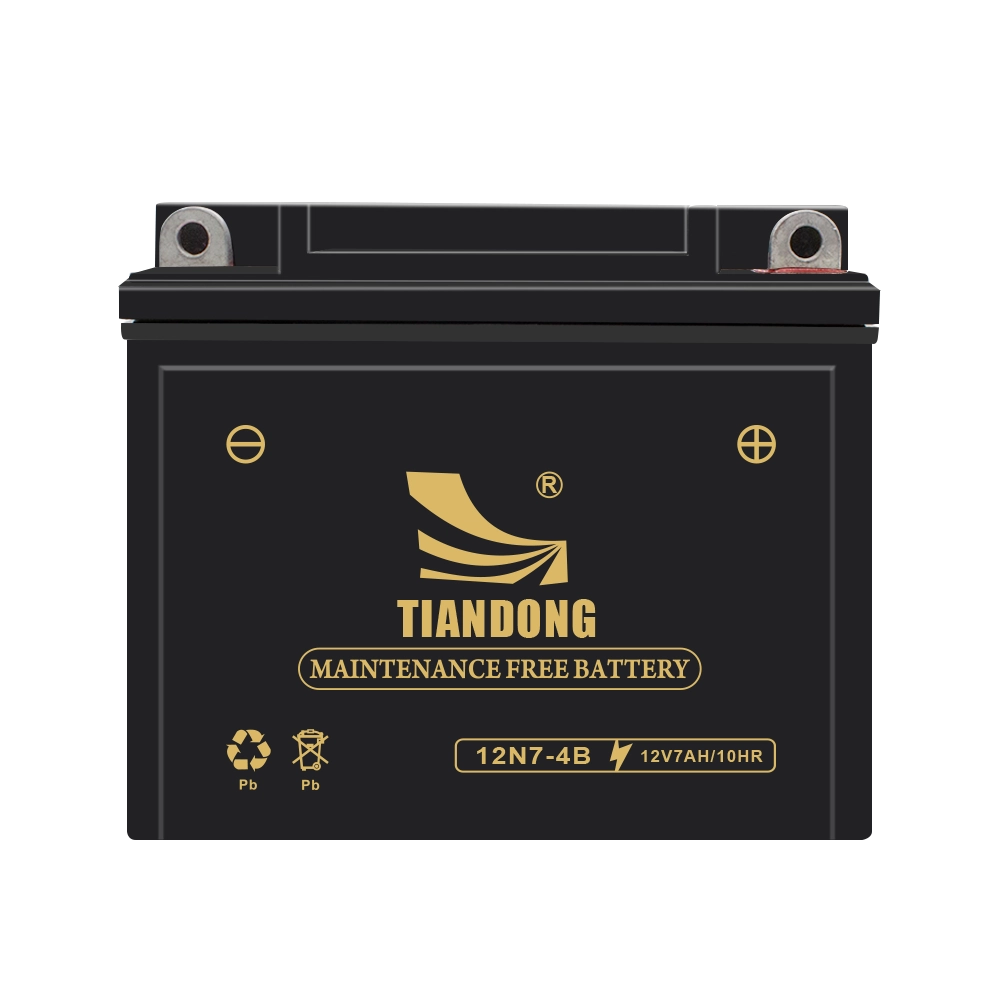
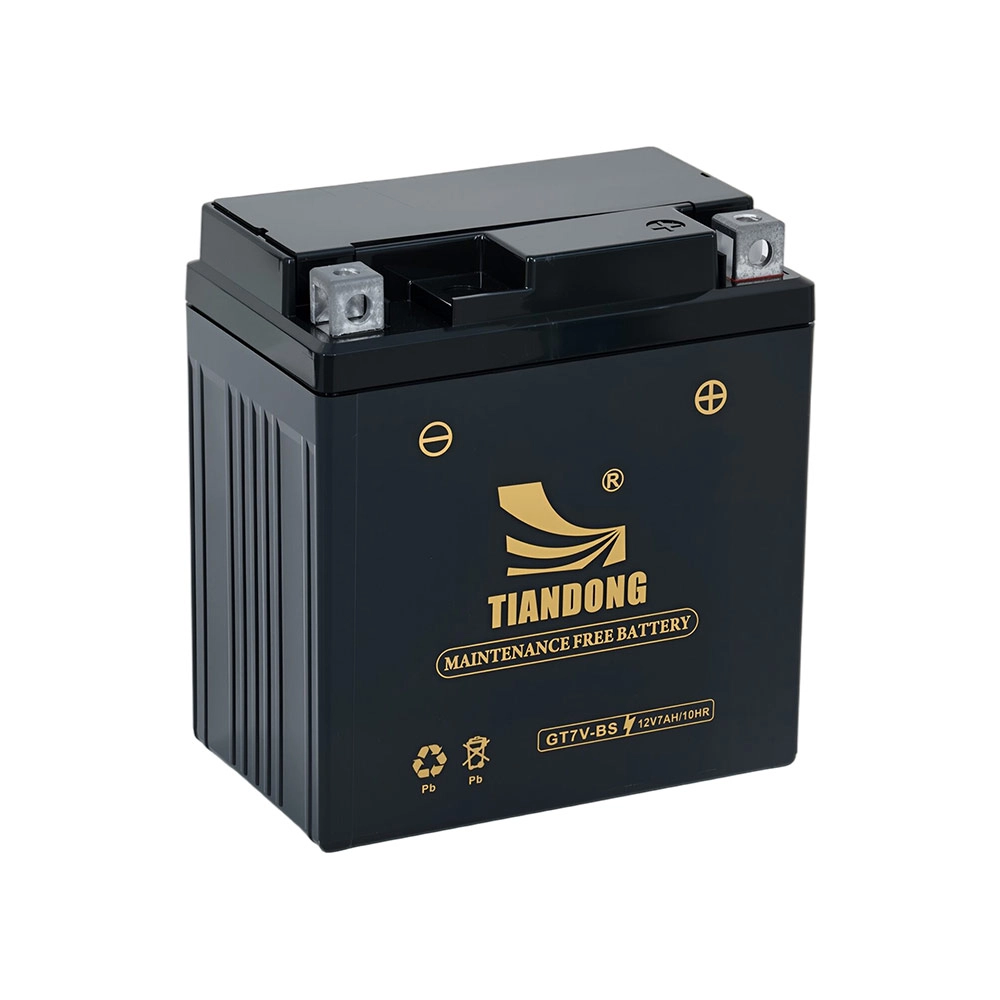
Yes, our batteries are sealed VRLA or GEL types that require no water refilling. They are ready to use and easy to maintain.
What causes motorcycle batteries to fail?
Common causes include over-discharging, extreme temperatures, poor charging systems, and low-quality manufacturing materials.
How long is the delivery time?
- Sample: 7–15 days
- Bulk orders: 20–35 days
customer
Can overseas clients visit the Tiandong factory?
Yes. Tiandong welcomes international customers to visit the factory, production workshops, and logistics warehouses to better understand the manufacturing and quality control process.
Get in touch with us to get your Motorbike Battery solution
TIANDONG is a leading motorcycle battery manufacturer offering OEM/ODM service, stable quality, and global export support.
Built for wholesalers. Trusted by global buyers. Delivered with confidence.
Say Hello
E-mail: daisybattery8@gmail.com
xianyingchen83@gmail. com
WhatsAPP: +86 134 283 86694
+86 134 348 86641
Our Location
Social Links
© 2025 TIANDONG. All Rights Reserved. Privacy Policy | Terms and Conditions | Sitemap
 Scan QR Code
Facebook
Instagram
Scan QR Code
Whatsapp: +8613434886641